
Lands and Mines Watch welcomes Wontumi verdict, urges tougher action against illegal mining
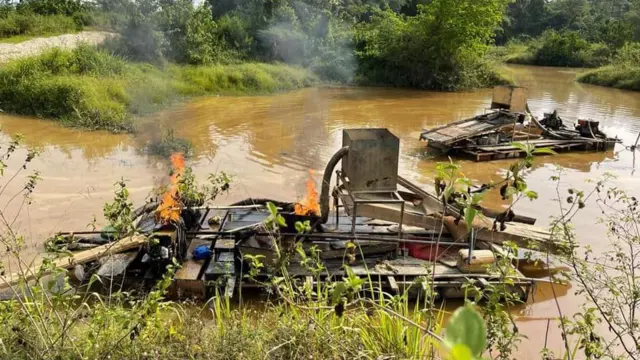
Abstract
Ghana's fight against illegal mining has taken a significant step forward with the conviction and sentencing of NPP Ashanti Regional Chairman Bernard Antwi-Boasiako, popularly known as Chairman Wontumi, and Akonta Mining Company Limited. The Accra High Court's ruling has been welcomed by Lands and Mines Watch Ghana (LMWG) as a landmark moment in the country's efforts to enforce its mining laws. This development is significant not only for its impact on the individuals involved but also for its implications for the broader fight against illegal mining in Ghana.
Introduction
The conviction of Chairman Wontumi and Akonta Mining Company Limited marks a critical juncture in Ghana's efforts to combat illegal mining. The Accra High Court's ruling has been hailed as a landmark moment by Lands and Mines Watch Ghana (LMWG), which has long advocated for stricter enforcement of the country's mining laws. This development is significant not only for its impact on the individuals involved but also for its implications for the broader fight against illegal mining in Ghana.
Background
Ghana's mining sector has been plagued by issues related to illegal mining, with many companies and individuals operating outside the law. The country's mining laws are designed to ensure that all persons and companies comply with regulations and pay their fair share of taxes. However, enforcement has often been inconsistent, allowing some operators to flout the rules with impunity. Lands and Mines Watch Ghana (LMWG) has been a vocal critic of this situation, advocating for tougher action against those who engage in illegal mining.
Analysis
However, this development also raises questions about the effectiveness of existing laws and regulations in preventing illegal mining. If those with significant influence and resources can still engage in such activities, it may suggest that more needs to be done to strengthen enforcement mechanisms and prevent corruption. Ultimately, the success of efforts to combat illegal mining will depend on the ability of Ghana's authorities to consistently enforce the law and hold all persons and companies accountable for their actions.
Conclusion
Practitioners should take note of the implications of this ruling for the broader fight against illegal mining in Ghana. It highlights the need for consistent enforcement of existing laws and regulations and underscores the importance of holding all persons and companies accountable for their actions. As efforts to combat illegal mining continue, it will be essential to monitor developments closely and advocate for further reforms to prevent corruption and ensure that all operators comply with the law.
How does this affect your business?
Get an AI analysis of this article grounded in your jurisdictions, practice areas, and any policy documents you've uploaded to Wansom.