
Électricité au Cameroun : une piste innovante pour électrifier durablement les zones rurales
Abstract
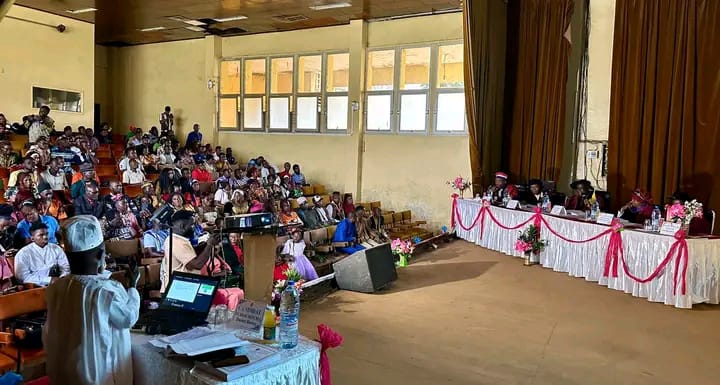
A thesis recently defended at the University of Dschang in Cameroon has proposed an innovative approach to electrifying rural areas by leveraging wind energy and intelligent control systems. The research aims to address one of the country's main challenges: providing stable electricity, including in remote locations outside the national grid. The thesis' novelty lies in its focus on overcoming the limitations of traditional control systems and harnessing more energy from wind power through advanced command strategies.
Introduction
The Cameroonian government has set an ambitious target to increase the share of renewable energies in its energy mix by 2030. However, providing stable electricity to rural areas remains a significant challenge. A recent thesis defended at the University of Dschang has proposed an innovative approach to addressing this issue by leveraging wind energy and intelligent control systems. The research aims to overcome the limitations of traditional control systems and harness more energy from wind power.
Background
The Cameroonian energy sector faces several challenges, including recurrent power outages and limited access to electricity in rural areas. The government has set an ambitious target to increase the share of renewable energies in its energy mix by 2030. To achieve this goal, innovative solutions are needed to address the limitations of traditional control systems and harness more energy from wind power. The University of Dschang has been at the forefront of research on renewable energy in Cameroon, with several studies focusing on the potential of wind energy.
Analysis
The thesis proposed by Dr. TCHOUMTCHA Daniel Borice is a significant contribution to the field of renewable energy in Cameroon. By developing advanced command strategies, including synergistic control and the Super-Twisting algorithm of higher order, the researcher aims to optimize the performance of standalone wind power installations. These technologies have the potential to extract more energy from wind power, manage battery storage efficiently, and provide a stable electricity supply even when the grid is not available. The implications of this research are far-reaching, as it could enable the widespread adoption of renewable energy in rural areas.
Conclusion
The innovative approach proposed by Dr. TCHOUMTCHA Daniel Borice has the potential to transform the exploitation of renewable energies in Cameroon. As the country strives to increase its share of renewable energies in its energy mix by 2030, this research provides a concrete response to one of the main challenges facing the sector: providing stable electricity to rural areas. Practitioners and policymakers should take note of this development and consider how it can be integrated into existing initiatives to promote renewable energy in Cameroon.
How does this affect your business?
Get an AI analysis of this article grounded in your jurisdictions, practice areas, and any policy documents you've uploaded to Wansom.