
Let prison authorities decide: Delhi court on Sharjeel Imam's plea for PhD study material in jail
Abstract
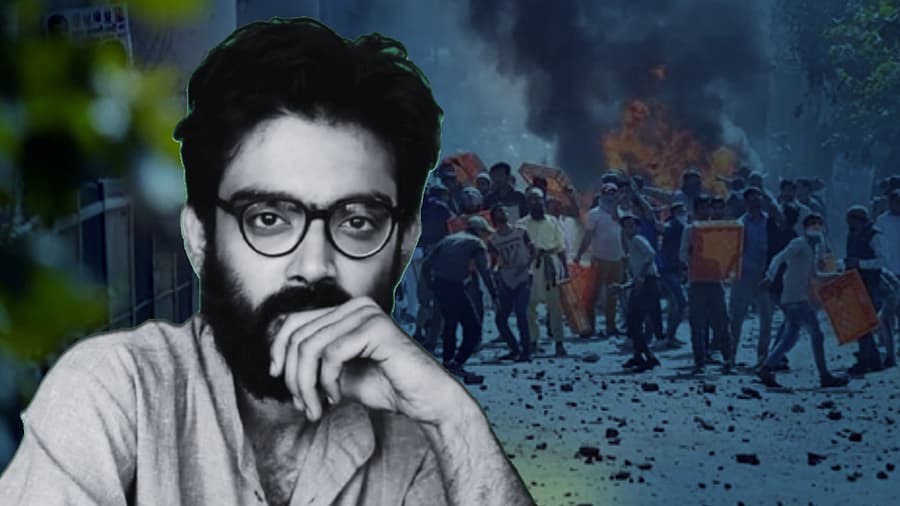
A Delhi court has refused to grant Sharjeel Imam permission to access research material on a pen drive and use prison computers for his PhD work. The judge cited concerns about verifying the contents of the pen drive, leaving it to the discretion of the Superintendent of Prison to decide whether Imam should be allowed access to the material. This decision comes amid ongoing proceedings in the Delhi riots conspiracy case, where Imam has been accused of conspiring to orchestrate communal violence in 2020.
Introduction
The recent ruling by a Delhi court on Sharjeel Imam's plea for PhD study material in jail highlights the complexities surrounding access to educational resources for prisoners. The decision to leave it to the discretion of the Superintendent of Prison to decide whether Imam should be allowed access to the research material raises questions about the balance between an individual's right to education and the need for prison authorities to maintain order and security. This article will examine the statutory and doctrinal context surrounding this issue, as well as the implications of the court's ruling.
Background
The Delhi riots case stems from the communal violence that erupted in the national capital in 2020 amid protests against the Citizenship (Amendment) Act, 2019. Imam and several others who participated in the protests have been accused of conspiring to orchestrate the riots. The court's decision to refuse permission for Imam to access research material on a pen drive is part of ongoing proceedings in this case. In India, prisoners have a right to education under Article 21A of the Constitution, which guarantees free and compulsory education to all children between the ages of 6 and 14. However, the implementation of this right can be challenging in practice, particularly in cases where access to educational resources is restricted due to security concerns.
Analysis
In conclusion, the court's decision to leave it to the discretion of the Superintendent of Prison to decide whether Imam should be allowed access to the research material highlights the complexities surrounding access to educational resources for prisoners. While the judge cited concerns about verifying the contents of the pen drive, this reasoning may not necessarily apply in all cases where prisoners seek access to educational resources.
Conclusion
Practitioners and policymakers should take note of this decision and its implications for prisoners' access to educational resources in India. The court's ruling highlights the need for prison authorities to develop clear policies and procedures for handling requests from prisoners seeking access to educational resources, as well as the importance of balancing individual rights with security concerns. As the Delhi riots conspiracy case continues, it will be interesting to see how this decision impacts Imam's efforts to continue his education while in custody.
How does this affect your business?
Get an AI analysis of this article grounded in your jurisdictions, practice areas, and any policy documents you've uploaded to Wansom.