
Marco Fishing lockout in Namibia over wage demands amid longline hake catches decline
Summary
- Approximately 300 Marco Fishing employees were locked out by the company after wage negotiations with Nafau reached a deadlock.
- The lockout is attributed to declining longline hake catches, which have significant implications for the fishing industry in Namibia.
- Lawyers advising clients in the fishing industry should be aware of potential compliance exposures arising from this labour dispute.
What Happened
Rajzman cited declining longline hake catches as a major factor contributing to the company's inability to meet the union's demands.
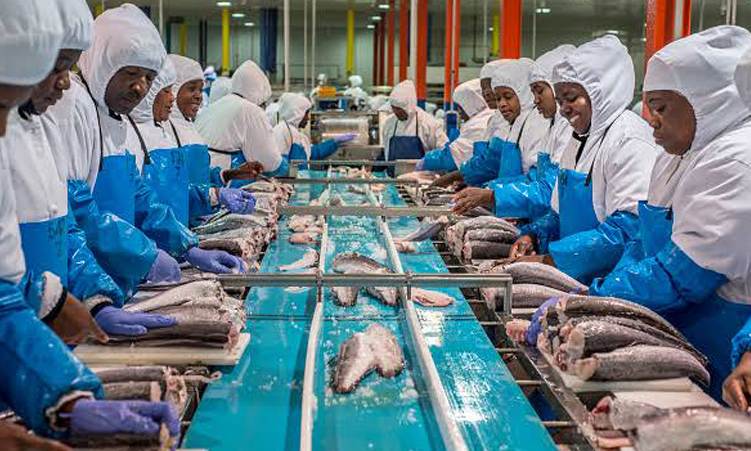
A labour dispute between Marco Fishing and the Namibia Food and Allied Workers Union (Nafau) has led to a lockout of approximately 300 employees. The standoff began on Friday, with no resolution in sight. According to company CEO Steven Rajzman, the impasse is due to the union's wage demands, which he claims cannot be met given the current state of the fishing industry.
Rajzman cited declining longline hake catches as a major factor contributing to the company's inability to meet the union's demands. This decline has significant implications for the entire fishing sector in Namibia.
Legal Context
The lockout raises questions about compliance with Namibian labour laws, particularly during times of fluctuating market conditions. Lawyers advising clients in the fishing industry should be aware of potential exposures arising from this dispute. The union's demands and the company's response will likely set a precedent for future negotiations between employers and employees in the sector.
It is worth noting that the Namibian labour law framework allows for lockouts as a last resort, but only if certain conditions are met. These conditions include providing adequate notice to affected workers and ensuring that the lockout does not disproportionately harm vulnerable groups.
Why It Matters
The Marco Fishing lockout has far-reaching implications for the Namibian fishing industry, which is already grappling with declining catches. The dispute highlights the need for employers and employees to work together to find mutually beneficial solutions. Moreover, it underscores the importance of compliance with labour laws in times of economic uncertainty.
As the situation unfolds, stakeholders will be watching closely to see how the parties involved navigate this complex web of interests. The outcome will likely have a lasting impact on the industry's ability to adapt to changing market conditions.
Practical Implications
Lawyers advising clients in the fishing industry should watch for potential compliance exposures arising from this labour dispute, particularly with regards to meeting union demands during times of fluctuating market conditions.
Source
How does this affect your business?
Get an AI analysis of this article grounded in your jurisdictions, practice areas, and any policy documents you've uploaded to Wansom.