
Meghalaya honeymoon murder: Supreme Court moots cancelling bail of accused-wife Sonam Raghuvanshi
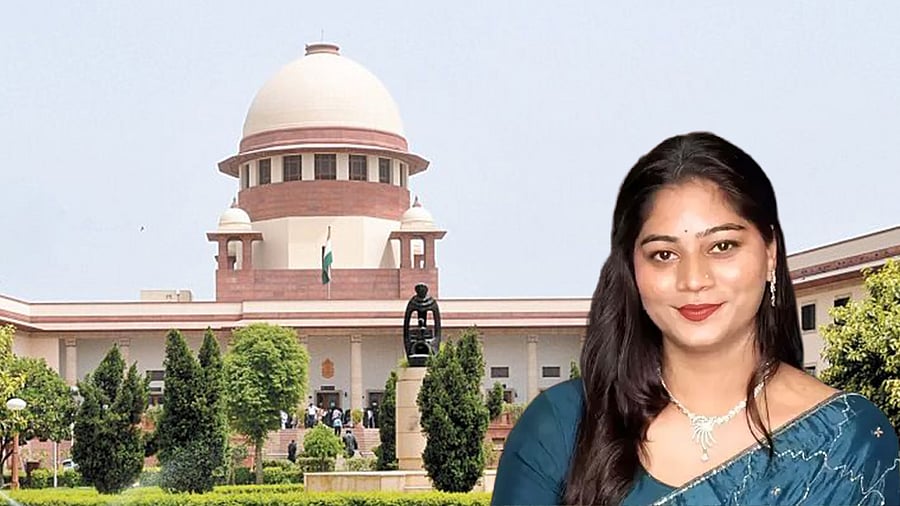
Abstract
The Supreme Court of India has expressed its intention to reconsider the bail granted to Sonam Raghuvanshi, a prime accused in the alleged murder of her husband during their honeymoon in Meghalaya. The court suggested that she surrender pending further consideration of her bail on merits. This development is significant as it indicates the court's willingness to re-examine the bail conditions and potentially revoke them if deemed necessary.
Introduction
The Supreme Court has taken a crucial step in the case of Sonam Raghuvanshi, who was granted bail by the Meghalaya High Court despite being a prime accused in a murder case. The court's decision to reconsider her bail is significant and raises questions about the efficacy of the bail conditions imposed by the trial court. This article will examine the background of the case, the statutory and doctrinal context, and the implications of the Supreme Court's decision.
Background
The case involves Sonam Raghuvanshi, who was accused of murdering her husband during their honeymoon in Meghalaya. The Meghalaya High Court had granted her bail, which was challenged by the State government. The Supreme Court is now considering the challenge and has suggested that Sonam surrender pending further consideration of her bail on merits. This development highlights the complexities of bail laws in India and the need for a nuanced approach to granting bail to accused persons.
Analysis
The Supreme Court's decision to reconsider Sonam Raghuvanshi's bail is significant as it indicates the court's willingness to re-examine the bail conditions and potentially revoke them if deemed necessary. This raises questions about the efficacy of the bail conditions imposed by the trial court, which included stringent requirements for her to remain in Shillong and attend proceedings every day. The Supreme Court's suggestion that she surrender pending further consideration of her bail on merits is also noteworthy, as it suggests a desire to ensure that justice is served while also protecting the rights of the accused.
Conclusion
The Supreme Court's decision to reconsider Sonam Raghuvanshi's bail has significant implications for the case and highlights the complexities of bail laws in India. Practitioners should take note of this development and be prepared to advise their clients accordingly. The outcome of this matter will be closely watched, and it remains to be seen how the Supreme Court ultimately decides on Sonam Raghuvanshi's bail.
How does this affect your business?
Get an AI analysis of this article grounded in your jurisdictions, practice areas, and any policy documents you've uploaded to Wansom.