
Minister says Mzuni library contract woes cleared
Briefly Analysis
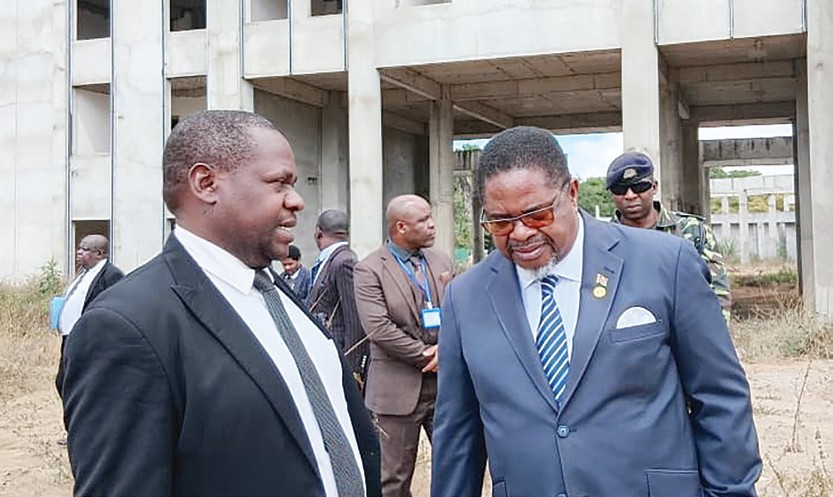
The resolution of the contractual disputes surrounding the Mzuzu University (Mzuni) library project marks a significant development in Malawi’s public procurement landscape. The project, which saw its costs balloon from an initial K7 billion to K27 billion, serves as a cautionary tale regarding the risks of poor project management and the volatility of construction contracts in the current economic climate. The Ministry of Education, Science and Technology’s announcement that these issues have been cleared suggests a move toward finalizing a project that has been stalled for years. For legal professionals, this resolution highlights the complexities of the Public Procurement and Disposal of Assets Act, particularly concerning contract variations, cost escalations, and the legal mechanisms available to the state when infrastructure projects face significant delays.
From a legal perspective, the massive cost increase raises critical questions about the adequacy of initial feasibility studies and the robustness of the original contract terms. Practitioners involved in public-private partnerships or government infrastructure projects should view this as a case study in the importance of rigorous contract drafting and the inclusion of clear dispute resolution clauses. The shift in costs necessitates a thorough review of the procurement process to ensure that the variations were compliant with the Public Procurement and Disposal of Assets Authority (PPDA) regulations. Failure to adhere to these standards can lead to significant legal exposure, including potential investigations by the Anti-Corruption Bureau or challenges from unsuccessful bidders who may argue that the contract variations were not transparently managed.
Attorneys representing contractors or government entities should monitor the finalization of this project to understand how the government intends to mitigate further financial risks. The resolution of these woes provides a template for how the state might handle similar stalled projects, but it also invites scrutiny into the accountability of the officials who oversaw the initial procurement. Legal practitioners should advise their clients to ensure that all contract amendments are documented with extreme precision, as the Mzuni case demonstrates that public interest in such projects often leads to intense legal and political scrutiny. Moving forward, the focus for legal professionals will be on ensuring that the final delivery of the project complies with all statutory requirements and that the financial adjustments are fully justified under the law.