
Moniepoint, S.A.N.G tackle period poverty, empower 500 Lagos schoolgirls
Abstract
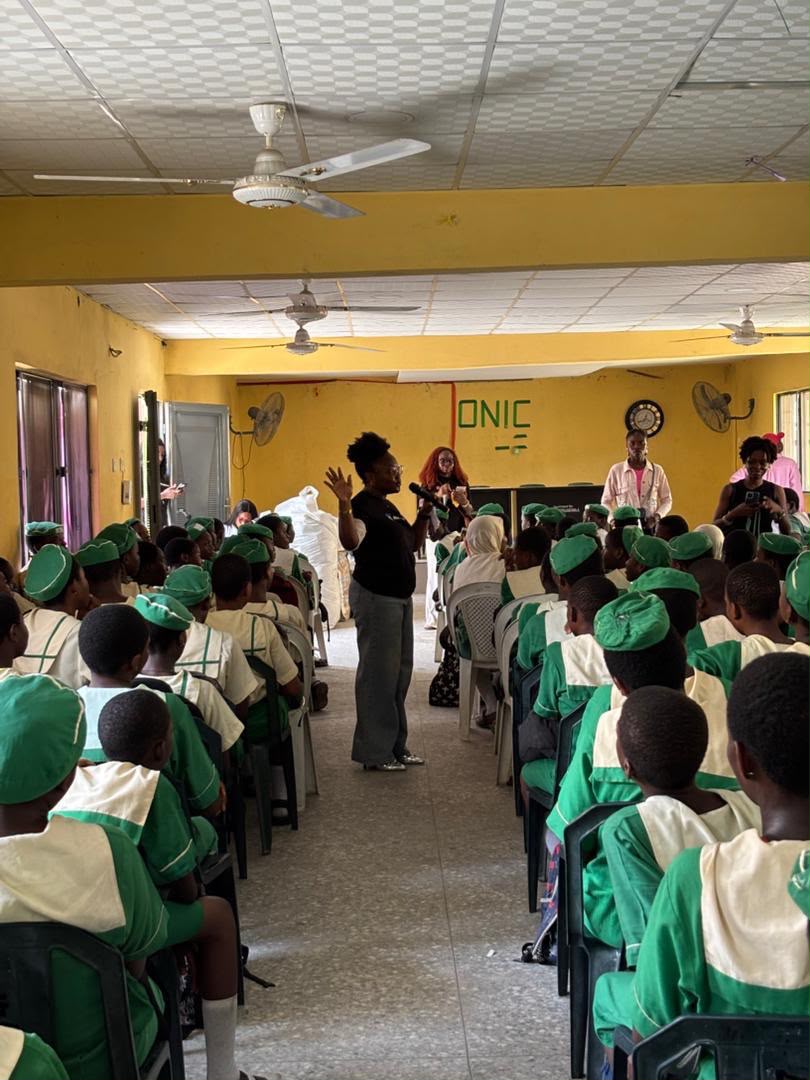
Moniepoint Inc. and Sanitary Aid for Nigerian Girls (S.A.N.G) have partnered to address period poverty and advance financial inclusion for 500 schoolgirls in Lagos. This initiative, coinciding with World Menstrual Hygiene Day 2026, provides menstrual hygiene products and vital financial literacy education. The collaboration highlights the increasing role of corporate social responsibility in tackling critical social issues in Nigeria, aligning with the recently validated National Policy on Menstrual Health and Hygiene Management (MHHM 2025–2030) and the Central Bank of Nigeria's (CBN) National Financial Inclusion Strategy. Legal professionals should note the evolving regulatory landscape encouraging private sector engagement in human rights and economic development.
Introduction
In a significant move towards fostering social equity and economic empowerment, Moniepoint Inc., a prominent financial technology company, has joined forces with Sanitary Aid for Nigerian Girls (S.A.N.G) to tackle the pervasive issues of period poverty and financial exclusion among young girls in Lagos. This collaborative initiative, which provided menstrual hygiene support and financial literacy education to 500 students, underscores a growing trend of private sector engagement in addressing fundamental human rights and developmental challenges in Nigeria. Launched to commemorate World Menstrual Hygiene Day 2026, the partnership exemplifies a strategic alignment of corporate social responsibility with national policy objectives.
Background
The initiative by Moniepoint and S.A.N.G operates within a dynamic Nigerian legal and policy landscape that increasingly recognizes the importance of menstrual health and financial inclusion. Period poverty, defined as inadequate access to menstrual products, sanitation, and health information, significantly impedes girls' education and dignity, often leading to missed school days and long-term disadvantages. In response, Nigeria validated its first-ever National Policy on Menstrual Health and Hygiene Management (MHHM 2025–2030) in August 2025, formally recognizing menstrual health as a national development priority. This policy aims to ensure that by 2030, no menstruating individual in Nigeria has to choose between managing their period and their education or dignity. Furthermore, in 2020, sanitary pads and tampons were exempted from Value Added Tax (VAT) through a Finance Bill, acknowledging that menstrual products are not luxury items.
Concurrently, Nigeria has a robust regulatory framework promoting financial inclusion. The Central Bank of Nigeria (CBN) launched the National Financial Inclusion Strategy (NFIS) in 2012, with a revised target of achieving 95% financial inclusion by 2024. A core pillar of this strategy is financial literacy, which the CBN views as critical for economic stability and individual empowerment. The National Financial Literacy Framework (NFLF), launched in 2015, provides a roadmap for enhancing financial literacy across various segments of Nigerian society. These frameworks collectively provide a supportive environment for initiatives that bridge gaps in access to essential services and knowledge.
Analysis
The Moniepoint and S.A.N.G partnership directly addresses critical human rights enshrined in the Constitution of the Federal Republic of Nigeria, 1999 (as amended). Section 34 guarantees every individual the right to respect for the dignity of their person, a right often undermined by period poverty due to the shame, stigma, and lack of adequate facilities associated with menstruation. By providing sanitary products and education, the initiative helps uphold this fundamental right, enabling girls to manage their periods with dignity and participate fully in educational and social activities. The systemic issue of inadequate Water, Sanitation, and Hygiene (WASH) facilities in schools, which contributes significantly to girls missing school, further highlights the intersection of human rights and public health.
From a financial regulatory perspective, Moniepoint's involvement in financial literacy education aligns seamlessly with the CBN's strategic objectives. The CBN Act of 2007 mandates the promotion of a sound financial system, with financial literacy being a key component to ensure consumer protection and public confidence. The CBN's National Financial Literacy Framework explicitly identifies various consumer market segments, including youth, for targeted financial literacy activities. By educating schoolgirls on financial management, Moniepoint is not merely engaging in philanthropy but is actively contributing to the national goal of creating a financially literate populace capable of making informed decisions and participating in the formal financial system.
Furthermore, this collaboration exemplifies the evolving landscape of Corporate Social Responsibility (CSR) in Nigeria. While CSR has historically been largely voluntary, the Companies and Allied Matters Act (CAMA) 2020 now requires companies to disclose CSR activities in their annual reports and mandates directors to act in the best interests of stakeholders, including communities. The proposed Corporate Social Responsibility (CSR) Bill, 2023, which seeks to introduce mandatory CSR requirements, signals a future where such initiatives may become a legal obligation for eligible companies. Moniepoint's proactive engagement positions it as a leader in integrating Environmental, Social, and Governance (ESG) principles into its core operations, demonstrating a commitment that goes beyond mere compliance to strategic social impact. Such actions enhance corporate reputation and build social license to operate, which is increasingly vital for businesses in Nigeria's complex socio-economic environment.
Despite these positive developments, challenges remain. While the National Policy on Menstrual Health and Hygiene Management is a significant step, its effective implementation requires sustained political will, financial commitment, and structural investment in WASH facilities. Similarly, achieving comprehensive financial inclusion and literacy requires overcoming barriers such as digital disparities and structural inequalities, particularly in rural areas. Private sector initiatives, while impactful, cannot fully substitute for robust government policy and infrastructure development. However, they serve as crucial catalysts and partners in driving progress.
Conclusion
The partnership between Moniepoint Inc. and S.A.N.G represents a commendable and legally significant effort to address critical social and economic challenges in Nigeria. By simultaneously tackling period poverty and promoting financial literacy, the initiative aligns with the nation's human rights obligations, particularly the right to dignity and education, and supports the Central Bank of Nigeria's ambitious financial inclusion agenda. For legal practitioners, this development underscores the increasing importance of understanding the intersection of corporate operations, human rights, and regulatory compliance in the context of CSR and ESG principles.
Practitioners should advise corporate clients on the growing imperative to integrate social impact into their business strategies, not only for ethical reasons but also due to evolving legal expectations and stakeholder demands. The National Policy on Menstrual Health and Hygiene Management and the CBN's financial inclusion mandates signal a clear direction for private sector involvement. Moving forward, it will be crucial to monitor the implementation of these policies, the potential enactment of the CSR Bill, 2023, and the sustained efforts of both public and private entities to create a more equitable and financially empowered Nigeria. These initiatives are not merely philanthropic gestures but integral components of sustainable national development, requiring a holistic and legally informed approach.
Citations
- 1.Central Bank of Nigeria Act 2007
- 2.Child's Rights Act 2003
- 3.Companies and Allied Matters Act 2020
- 4.Constitution of the Federal Republic of Nigeria 1999 (as amended)
- 5.Corporate Social Responsibility (CSR) Bill 2023
- 6.National Financial Inclusion Strategy (NFIS)
- 7.National Financial Literacy Framework (NFLF)
- 8.National Policy on Menstrual Health and Hygiene Management (MHHM 2025–2030)
How does this affect your business?
Get an AI analysis of this article grounded in your jurisdictions, practice areas, and any policy documents you've uploaded to Wansom.