
Motorists Given Six Months to Collect Physical Logbooks
Abstract
The National Transport and Safety Authority (NTSA) in Kenya has issued a critical directive, granting motorists a six-month window to collect their physical logbooks from its offices. This mandate, initially communicated in June 2026 and reiterated in July 2026, warns that uncollected documents will be disposed of in accordance with the Authority's records management policy. Failure to retrieve these vital proofs of ownership will severely impede motorists' ability to access essential vehicle-related services, including transfers, insurance processing, and financing. The directive is a significant step in Kenya's ongoing transition towards a fully digital vehicle registration system, aiming to enhance efficiency and curb fraud within the transport sector.
Introduction
The National Transport and Safety Authority (NTSA) in Kenya has recently issued a stringent directive, giving motor vehicle owners a six-month ultimatum to collect their physical logbooks that are currently held at NTSA offices across the country. This crucial announcement, initially made in June 2026 and reinforced through subsequent public notices in July 2026, underscores a significant shift in the administration of vehicle ownership documentation within the Kenyan jurisdiction. The Authority has explicitly warned that any logbooks remaining uncollected after the stipulated period will be disposed of, in line with its internal records management policy.
This directive carries profound implications for practising attorneys and legal professionals, particularly those involved in conveyancing, asset finance, and dispute resolution pertaining to motor vehicles. The inability of motorists to produce a current or original logbook will directly impact their capacity to access a wide array of services that necessitate proof of vehicle ownership, potentially leading to legal and transactional impediments. The move is not merely an administrative clean-up but forms an integral part of Kenya's broader strategy to transition towards a comprehensive digital vehicle registration system.
This article will delve into the legal framework underpinning this NTSA directive, examining its statutory basis, the practical consequences for non-compliance, and its alignment with the ongoing digitisation efforts in Kenya's transport sector. It will also highlight the critical considerations for legal practitioners in advising their clients amidst this evolving regulatory landscape.
Background
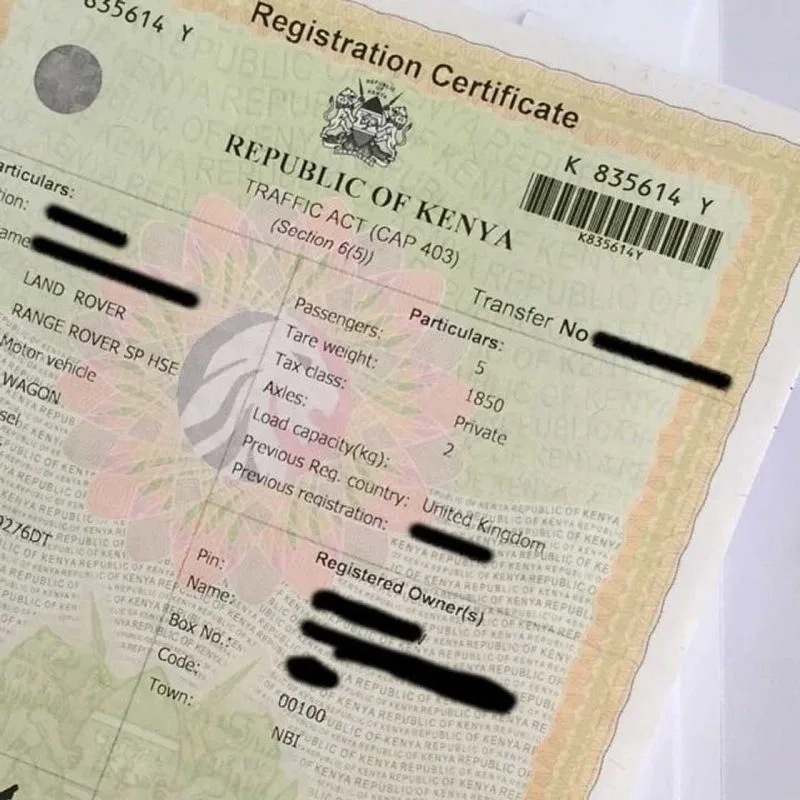
The regulatory landscape governing motor vehicle registration and ownership in Kenya is primarily established by the National Transport and Safety Authority Act, No. 33 of 2012, which created the NTSA and vested it with the mandate to regulate and enforce transport safety across the country. Complementing this is the Traffic Act (Cap. 403), which provides the foundational legal provisions for vehicle registration, licensing, and the requirement for a registration certificate, commonly known as a logbook, as definitive proof of vehicle ownership. Section 6(5) of the Traffic Act, for instance, stipulates that a licensing officer, upon satisfactory registration, shall issue a registration certificate which, or a duplicate thereof, serves as proof of registration.
Historically, Kenya's vehicle registration system relied heavily on physical, paper-based logbooks. While serving their purpose, this manual system was frequently plagued by inefficiencies, delays in processing, and a susceptibility to fraudulent activities such as forgery and the creation of duplicate documents. Recognising these challenges, the NTSA embarked on a significant reform agenda aimed at modernising the transport sector through digitisation. This culminated in the rollout of the electronic motor vehicle registration certificate, or e-logbook, which officially went live on June 10, 2026. The e-logbook system, integrated with the government's eCitizen platform, is designed to streamline services, enhance security, and eliminate the need for physical documents for newly processed transactions.
The current directive regarding the collection of physical logbooks is a direct consequence of this transition. The NTSA first issued a public notice on June 11, 2026, informing vehicle owners that it would no longer retain printed logbooks beyond six months. This was followed by a reminder on July 14, 2026, indicating that only five months remained before the disposal deadline, urging motorists to collect their documents promptly to avoid inconvenience.
Analysis
The NTSA's directive to dispose of uncollected physical logbooks after a six-month period marks a critical juncture in Kenya's vehicle registration framework. The Authority has explicitly stated that it will not store currently printed and uncollected logbooks beyond this timeframe, with the deadline for collection now effectively five months from July 14, 2026. This policy is rooted in the NTSA's broader mandate to manage records efficiently and facilitate the transition to a fully digital system. While the Traffic Act (Cap. 403) mandates vehicle registration and the issuance of a registration certificate as proof of ownership, the specific policy for the disposal of uncollected documents falls within the administrative powers of the NTSA, particularly given the provisions for the use of information technology in records management under the Act.
The most immediate and significant consequence of non-compliance is the inability to access essential vehicle-related services. The NTSA has unequivocally warned that clients will be unable to process applications requiring a copy of the logbook without attaching the current or original physical document. This includes critical transactions such as vehicle ownership transfers, processing of insurance, applications for vehicle financing, and verification of vehicle details. For legal practitioners, this means that any transaction involving a motor vehicle where the client cannot produce the physical logbook will face significant hurdles, potentially leading to delays, contractual breaches, or even the invalidation of transactions.
It is crucial to distinguish between uncollected logbooks and existing, valid physical logbooks already in the possession of motorists. The NTSA has clarified that motorists who already hold valid physical logbooks should continue to keep them safely, as these documents remain legally recognised proof of ownership during the transition period. The disposal notice specifically targets those printed logbooks that have been processed but not yet retrieved from NTSA offices. The move is also aimed at clearing the backlog of thousands of uncollected documents, which occupy valuable storage space and contribute to administrative inefficiencies.
The transition to e-logbooks, which commenced on June 10, 2026, is central to this directive. Under the new system, newly registered vehicles and those undergoing ownership transfers will receive digital registration certificates accessible through their eCitizen accounts. This digital shift is designed to enhance security, reduce fraud, and expedite processing times. However, the continued requirement for a Kenya Revenue Authority (KRA) PIN for all vehicle ownership transactions, even with the e-logbook system, highlights the interconnectedness of government services and the need for comprehensive compliance. Motorists collecting their physical logbooks are advised that the process is free of charge, requiring only the previous logbook and a valid identification document for verification at NTSA offices or designated Huduma Centres.
Conclusion
The NTSA's directive on the collection of physical logbooks represents a critical administrative and legal development for motor vehicle owners and legal professionals in Kenya. The impending disposal of uncollected documents after the six-month deadline underscores the urgency for motorists to act promptly to secure their proofs of ownership. Failure to do so will not only result in the loss of the physical document but will also create significant impediments to accessing essential vehicle-related services, thereby disrupting various legal and commercial transactions.
For legal practitioners, it is imperative to proactively advise clients on the implications of this directive, particularly those involved in vehicle sales, purchases, financing, or any other transaction requiring verifiable proof of ownership. Verifying the status of a client's logbook and ensuring its timely collection, or confirming its digital availability, will be crucial to prevent future complications. This transition to e-logbooks, while presenting initial challenges, ultimately promises a more efficient, secure, and transparent vehicle registration system, aligning with the broader governmental agenda of digital transformation. Legal professionals should remain vigilant to further policy pronouncements and technological advancements from the NTSA to effectively navigate this evolving landscape.
Citations
- 1.National Transport and Safety Authority Act, No. 33 of 2012
- 2.Traffic Act (Cap. 403)
How does this affect your business?
Get an AI analysis of this article grounded in your jurisdictions, practice areas, and any policy documents you've uploaded to Wansom.