
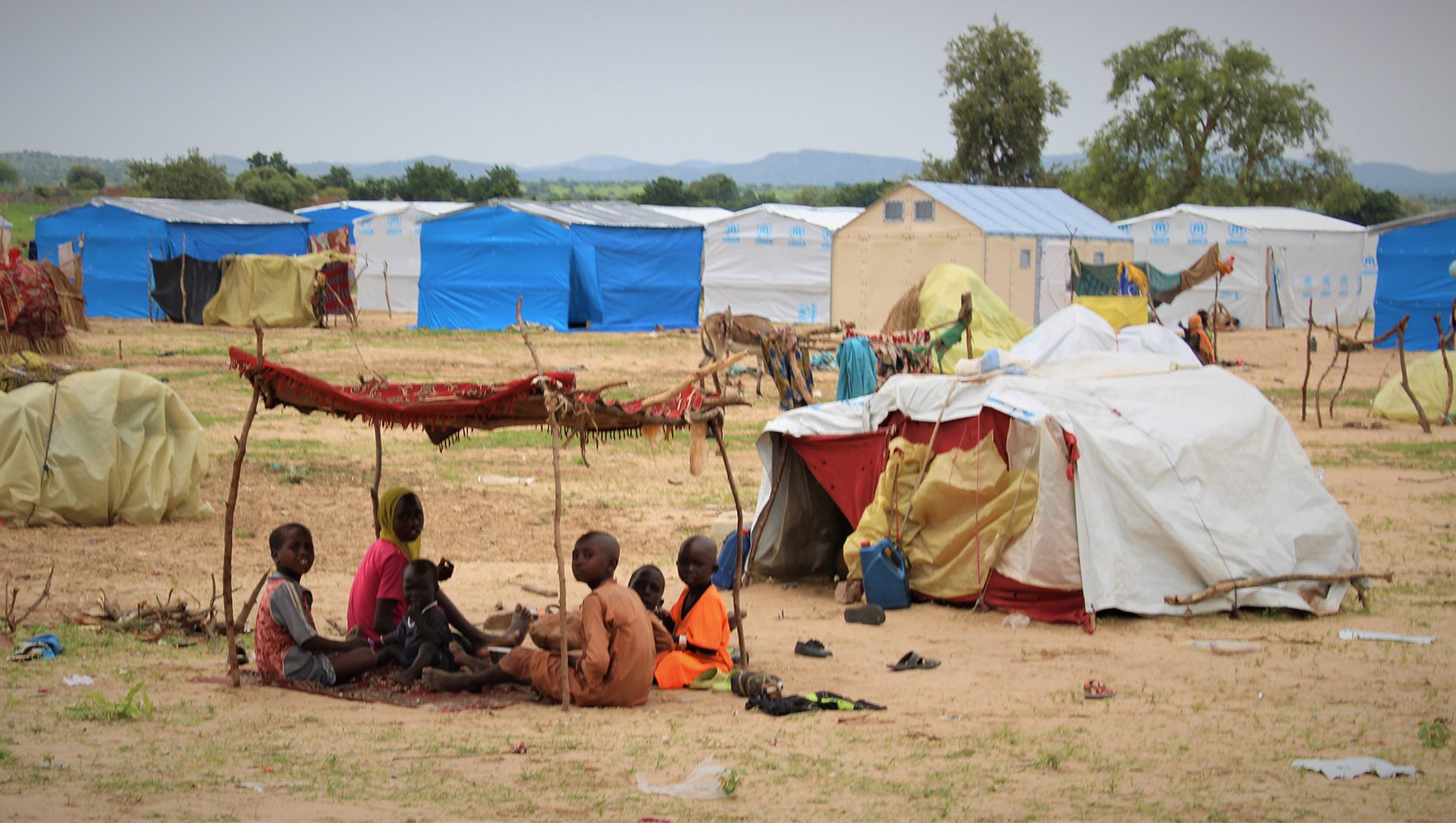
MSF investigation finds exploitation of women, girls in Chad refugee camps
Abstract
Médecins Sans Frontières (MSF) has uncovered 59 allegations of abuse and misconduct, including the exploitation of women and girls, within refugee camps in Chad. This revelation underscores a critical breach of humanitarian principles and international legal obligations, particularly concerning the protection of vulnerable populations. The incident highlights the pervasive issue of sexual exploitation and abuse (SEA) in humanitarian settings and triggers a complex interplay of international human rights law, international humanitarian law, and the extraterritorial application of national criminal statutes. For legal practitioners, this case necessitates a deep understanding of accountability mechanisms for non-governmental organizations (NGOs), victim-centered justice, and the challenges inherent in prosecuting such crimes across jurisdictions.
Introduction
The recent investigation by Médecins Sans Frontières (MSF) revealing 59 allegations of abuse and misconduct, including the exploitation of women and girls in refugee camps in Chad, represents a profound failure of protection within the humanitarian sector. This finding, which MSF itself described as a “serious breach of its values and responsibilities,” brings to the forefront the persistent and devastating issue of sexual exploitation and abuse (SEA) in environments where vulnerable populations depend on aid workers for their safety and well-being. The gravity of these allegations extends beyond organizational ethics, implicating a complex web of international legal frameworks designed to safeguard human rights and ensure accountability for perpetrators.
This article will delve into the legal ramifications of such incidents, examining the international and, where applicable, national legal instruments that govern the conduct of humanitarian actors and the protection of refugees. It will explore the challenges of establishing jurisdiction for crimes committed extraterritorially, the specific obligations of NGOs, and the imperative for robust accountability mechanisms. For legal professionals, understanding these dynamics is crucial for advising on compliance, advocating for victims, and contributing to the strengthening of legal and ethical standards in humanitarian aid.
Background
The humanitarian sector operates under a fundamental principle of 'do no harm,' a tenet that is severely undermined by acts of sexual exploitation and abuse. The vulnerability of refugees, particularly women and girls, in displacement settings is exacerbated by power imbalances inherent in aid distribution, fractured community networks, and often weak rule of law in host countries.
In response to historical allegations of SEA, particularly since the early 2000s, the United Nations and the broader humanitarian community have developed extensive policies and guidelines. Key among these is the UN Secretary-General’s Bulletin, ST/SGB/2003/13, which outlines special measures for protection from sexual exploitation and sexual abuse, defining sexual exploitation as any actual or attempted abuse of a position of vulnerability, differential power, or trust for sexual purposes. This bulletin, along with the Inter-Agency Standing Committee (IASC) Policy Statement on Protection from Sexual Exploitation and Abuse in Humanitarian Crises, forms the bedrock of the sector's commitment to preventing and responding to such misconduct. International human rights instruments, such as the Convention on the Rights of the Child (CRC) and the Convention on the Elimination of All Forms of Discrimination against Women (CEDAW), also impose clear obligations on States Parties to protect individuals from sexual exploitation and abuse. Article 34 of the CRC, for instance, explicitly requires States Parties to protect children from all forms of sexual exploitation and sexual abuse.
Analysis
The allegations against MSF personnel in Chad refugee camps constitute serious violations of both international human rights law and, potentially, international humanitarian law, given the context of displacement. The Convention on the Rights of the Child (CRC) mandates States Parties to protect children from all forms of sexual exploitation and abuse, including prostitution and pornography. Similarly, the Convention on the Elimination of All Forms of Discrimination against Women (CEDAW) obliges States to take all appropriate measures, including legislation, to suppress all forms of trafficking in women and exploitation of prostitution of women, with its Committee on the Elimination of Discrimination against Women recognizing gender-based violence, including sexual harm, as a form of discrimination. The Rome Statute of the International Criminal Court also classifies rape and other forms of sexual violence as war crimes or crimes against humanity in certain contexts.
MSF, as a prominent international non-governmental organization, operates under a strict code of conduct and has internal policies to prevent and respond to abuse, exploitation, and harassment. Their stated commitment includes providing support services to affected individuals, such as psychological and medical care, and securing legal assistance. Crucially, MSF's policy dictates reporting sexual abuse against minors to appropriate judicial authorities, prioritizing the child's best interests. This aligns with the broader humanitarian sector's move towards victim-centred approaches and mandatory reporting, especially for child protection concerns.
A significant legal challenge in such cases is the assertion of extraterritorial jurisdiction. While the crimes occurred in Chad, the nationality of the perpetrators and victims, and the organization's registration, can trigger jurisdiction in other states. Many countries, including the United Kingdom, have laws allowing for the prosecution of their nationals for sexual offenses against children committed abroad. The principle of active personality (jurisdiction over nationals) and passive personality (jurisdiction over crimes against nationals) are crucial here. However, practical hurdles like 'double criminality' (where the act must be a crime in both jurisdictions) and difficulties in evidence gathering across borders can complicate prosecution. Nigeria, as the source jurisdiction of the news, has relevant domestic legislation. The Child's Rights Act 2003, for instance, criminalizes procuring or recruiting persons under 18 for sexual exploitation, both within and outside Nigeria, with severe penalties. The Violence Against Persons (Prohibition) Act 2015 also provides for life imprisonment for rape. These provisions indicate a domestic legal framework that could potentially be leveraged if Nigerian nationals are involved as perpetrators or victims, or if there are other jurisdictional links.
Despite these legal frameworks, accountability for SEA in humanitarian contexts remains a persistent challenge. The independence of NGOs, while crucial for their operations, can sometimes lead to a perception of being less subjected to international law, though they are expected to adhere to the domestic laws of the countries in which they operate. The MSF investigation itself, and its public acknowledgment of the findings, demonstrates an internal commitment to addressing misconduct, but the ultimate goal must be external accountability and justice for victims.
Conclusion
The MSF investigation into exploitation in Chad refugee camps serves as a stark reminder of the ongoing vulnerability of populations in humanitarian crises and the critical need for unwavering accountability within the aid sector. Legal practitioners must recognize that such incidents are not merely ethical lapses but grave violations of international human rights and humanitarian law, demanding robust legal responses. The complexities of extraterritorial jurisdiction, coupled with the imperative to prioritize victim safety and well-being, necessitate a multi-faceted approach involving international cooperation, stringent enforcement of national laws, and continuous strengthening of organizational safeguarding policies.
Moving forward, legal professionals have a vital role in advocating for comprehensive victim support, ensuring that perpetrators face justice regardless of where their crimes are committed, and pushing for greater transparency and accountability from all humanitarian actors. This includes scrutinizing the implementation of PSEA policies, supporting the development of accessible and safe reporting mechanisms, and working towards legal reforms that close jurisdictional gaps. The pursuit of justice for the women and girls exploited in these camps is not just a moral imperative, but a legal obligation that requires sustained attention and concerted action from the global legal community.
Citations
- 1.Convention on the Rights of the Child, G.A. Res. 44/25, U.N. Doc. A/RES/44/25 (Nov. 20, 1989).
- 2.Secretary-General's Bulletin, Special measures for protection from sexual exploitation and sexual abuse, ST/SGB/2003/13 (Oct. 9, 2003).
- 3.Sexual exploitation, abuse and harassment in humanitarian contexts, PMC (2023).
- 4.Convention on the Rights of the Child, U.N. Doc. CRC/C/156 (Sept. 10, 2019).
- 5.Convention on the Rights of the Child, OHCHR.
- 6.Convention on the Rights of the Child (CRC), Red Line Initiative.
- 7.Extraterritorial jurisdiction, Wikipedia.
- 8.Sexual exploitation and abuse in humanitarian response, Wikipedia.
- 9.Preventing Sexual Exploitation and Abuse, the United Nations.
- 10.Policies and Protocols | Preventing Sexual Exploitation and Abuse, the United Nations.
- 11.Chapter 4: Legal Aspects Of Sexual Violence, Human Rights Watch.
- 12.Protection from sexual exploitation and abuse, OCHA.
- 13.Guidlines on Sexual Violence and Refugees, UNHCR (Jan. 5, 2015).
- 14.The UK's approach to safeguarding in the humanitarian sector, Forced Migration Review (2020).
- 15.Defining Sexual and Gender-Based Violence in the Refugee Context, Melbourne Social Equity Institute.
- 16.THE INTERNATIONAL LEGAL FRAMEWORK FOR PROTECTION, Inter-Agency Standing Committee (IASC).
- 17.Convention on the Elimination of All Forms of Discrimination against Women, OHCHR.
- 18.Extraterritorial jurisdiction and extradition legislation, ECPAT.
- 19.overview on - extraterritoriality and extradition legislation for offences of sexual exploitation of children, ECPAT.
- 20.Extraterritorial jurisdiction, National Action Plans on Business and Human Rights.
- 21.Sexual and Gender-Based Violence against Refugees, Returnees and Internally Displaced Persons, the United Nations.
- 22.Protection from sexual exploitation and abuse in humanitarian crises: the humanitarian community's response, Forced Migration Review (2002).
- 23.Sexual exploitation and abuse by UN, NGO and INGO personnel: a self-assessment, Forced Migration Review (June 21, 2012).
- 24.Convention on the Elimination of All Forms of Discrimination Against Women, Wikipedia.
- 25.Convention on the Elimination of All Forms of Discrimination against Women, University of Minnesota Human Rights Library (Dec. 16, 2010).
- 26.Committee on the Elimination of Discrimination against Women, OHCHR.
- 27.Safeguarding at MSF: Preventing Abuse, Exploitation, and Harassment, MSF.
- 28.The Elimination of All Forms of Discrimination Against Women (CEDAW), Australian Human Rights Commission.
- 29.Safeguards against sexual exploitation and abuse in development and humanitarian action – European NGOs action points, ReliefWeb (May 10, 2018).
- 30.The Gap in United States Extraterritorial Law: Addressing the Oversight in Protecting Adults from Sexual Exploitation Abroad, Student Briefs - The George Washington University (Oct. 25, 2023).
- 31.Nigeria - International Centre for Missing & Exploited Children.
- 32.Accountability of International NGOs, Sharmeen Ahmed, GGU Law Digital Commons.
- 33.Fighting abuse, exploitation and harassment in our work environment, MSF (Aug. 6, 2025).
- 34.Nigeria | Legal Information Institute, Law.Cornell.Edu.
- 35.CRAC Leaflet OCG, Ärzte ohne Grenzen.
- 36.Abusive_Behaviour_EPUB_va, MSF.
- 37.an examination of sexual offences under nigerian legislation, ResearchGate (Oct. 28, 2025).
- 38.Care for Victims of Sexual Violence, An Organization Pushed to its Limits: The Case of Médecins Sans Frontières.
- 39.What does the law say about sexual harassment?, Action4Justice.
How does this affect your business?
Get an AI analysis of this article grounded in your jurisdictions, practice areas, and any policy documents you've uploaded to Wansom.