
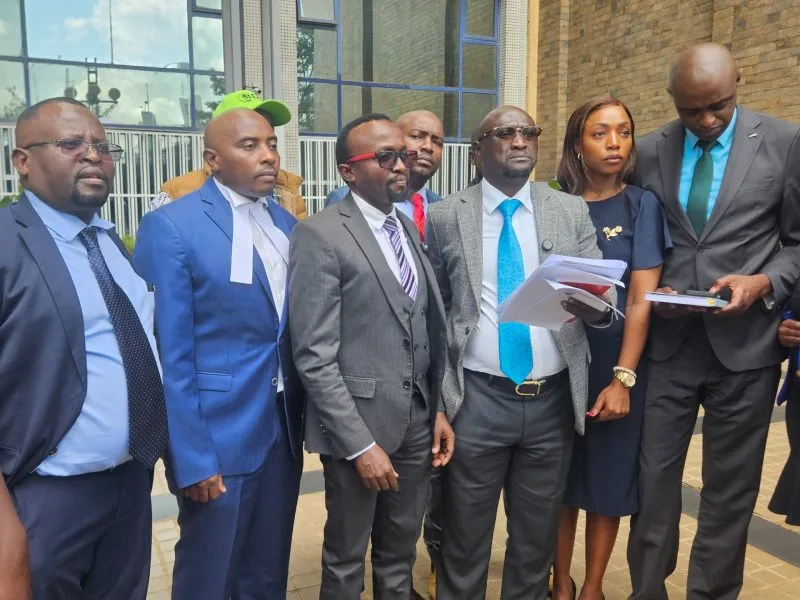
Muhia’s lawyers walk out of IEBC code of conduct hearing over jurisdiction dispute
Briefly Analysis
The walkout by Muhia’s legal team during the IEBC code of conduct hearing highlights a deepening procedural conflict regarding the legitimacy of the commission’s internal disciplinary processes. By demanding an audience with IEBC Chairperson Erastus Edung Ethekon, the defense team sought to elevate their grievances regarding the committee’s composition to the highest level of the commission, arguing that the current process is fundamentally flawed and hostile. This move reflects a strategic attempt to challenge the administrative integrity of the IEBC’s internal tribunals, which are tasked with adjudicating sensitive electoral disputes that can have significant political and legal ramifications for candidates.
From a legal perspective, this incident underscores the tension between the IEBC’s administrative autonomy and the constitutional requirement for fair administrative action under Article 47 of the Constitution of Kenya. The demand for a meeting with the Chairperson suggests that the defense is attempting to invoke internal oversight mechanisms to halt proceedings they deem biased. For practitioners, this situation illustrates the complexities of navigating administrative law within the electoral sphere, where the line between political posturing and legitimate legal objection is often blurred. The committee’s decision to continue despite the walkout suggests a strict adherence to the principle that a party cannot frustrate a legal process simply by withdrawing from it.
Attorneys and businesses operating in the political and electoral space should take note of the risks associated with confrontational litigation strategies before administrative tribunals. While challenging the composition of a panel is a recognized legal tactic, it requires a robust evidentiary basis to succeed in a court of law. Practitioners should prepare for the possibility that the IEBC will proceed with its findings in the absence of the respondent, which could lead to adverse rulings that are difficult to overturn on appeal. It is advisable to document all procedural objections meticulously to preserve the record for potential future litigation in the High Court, should the committee’s final decision be challenged on the grounds of procedural unfairness.