
“NBA Presidential Candidates’ Debate Holds With Two Aspirants” — Akangbe SAN, Badejo-Okusanya SAN Face Off As Akinboro SAN Declines Over Electoral Concerns
Abstract
The Nigerian Bar Association (NBA) recently hosted its 2026 Presidential Candidates’ Debate and Manifesto Day, featuring two of the three cleared aspirants: Lateef Omoyemi Akangbe, SAN, and Oyinkansola Badejo-Okusanya, SAN. Notably absent was Olumuyiwa Akinboro, SAN, who declined participation citing significant electoral concerns. This development underscores persistent issues of electoral integrity within the NBA, particularly concerning the transparency and fairness of its electronic voting system, which has been a source of contention in previous elections. The ECNBA, the electoral body, maintains confidence in its processes, while the NBA leadership has firmly rejected alleged external interference from the Attorney General of the Federation regarding the election conduct. The incident highlights the ongoing struggle to ensure credible and universally accepted electoral outcomes within Africa's largest professional body of lawyers.
Introduction
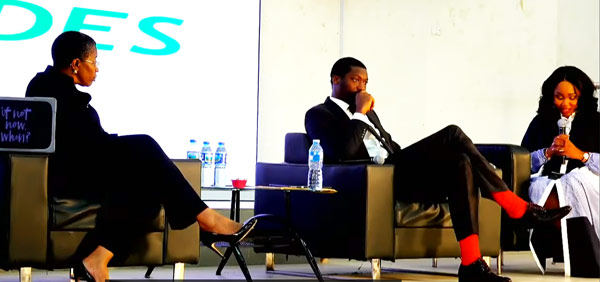
The Nigerian Bar Association (NBA), Africa's largest professional body of lawyers, recently held its 2026 Presidential Candidates’ Debate and Manifesto Day, a crucial event in its electoral calendar. The debate, which took place on Wednesday, July 8, 2026, at the NBA National Headquarters in Abuja, saw two of the three presidential aspirants, Lateef Omoyemi Akangbe, SAN, and Oyinkansola Badejo-Okusanya, SAN, present their visions for the Bar. However, the event was marked by the conspicuous absence of the third cleared candidate, Olumuyiwa Akinboro, SAN, who reportedly declined to participate due to unresolved electoral concerns.
This incident casts a spotlight on the perennial challenges of electoral integrity and transparency that have plagued NBA elections in recent years. Akinboro SAN's withdrawal, even as Akangbe SAN participated while reserving his rights on the electoral process, signals a deep-seated mistrust in the system among some stakeholders. The integrity of the NBA's internal democratic processes is paramount, not only for the legitimacy of its leadership but also for its moral authority in advocating for the rule of law and credible elections in the broader Nigerian society. This article delves into the legal and contextual underpinnings of this development, examining the implications for the NBA's 2026 elections and beyond.
Background
The Nigerian Bar Association is the umbrella professional association for all lawyers admitted to the Bar in Nigeria, playing a vital role in maintaining the integrity and independence of the Bar and the Judiciary, promoting legal education, and advancing the administration of justice. Its governance is guided by the NBA Constitution 2015, as amended in 2021 and 2025, which outlines the structure, aims, and electoral processes for national officers. The Electoral Committee of the Nigerian Bar Association (ECNBA) is established under Section 10(1) of the NBA Constitution as an independent body responsible for conducting elections to national offices.
The rank of Senior Advocate of Nigeria (SAN) is the highest honorific title conferred on legal practitioners in Nigeria, recognizing those who have distinguished themselves in the legal profession through exceptional advocacy skills, mastery of law, and significant contributions to jurisprudence. The three presidential aspirants in the 2026 election, Akangbe, Badejo-Okusanya, and Akinboro, all hold this prestigious rank, underscoring the high stakes and the calibre of leadership vying for the NBA's top office.
Historically, NBA elections, particularly since the introduction of universal suffrage and electronic voting in 2014, have been fraught with controversies. Accusations of disenfranchisement, hacking, backend tampering, and issues with voter verification and missing names on the voters' list have marred previous election cycles in 2016, 2018, 2020, and 2024. These recurring issues have led to calls for independent audits and mandatory mock voting demonstrations to restore confidence in the electronic voting system. Furthermore, the NBA has recently rejected alleged directives from the Attorney General of the Federation (AGF) to postpone the election and dissolve the ECNBA, asserting its autonomy and independence as a professional body.
Analysis
Olumuyiwa Akinboro SAN's decision to decline participation in the presidential debate due to "electoral concerns" is a significant indicator of the lingering distrust in the NBA's electoral process. While the specific nature of his concerns was not detailed in the immediate report, past NBA elections provide ample context. Issues such as compromised voter registers, flawed electronic voting processes, and allegations of voter disenfranchisement have been recurrent. Notably, the NBA itself acknowledged that presidential candidate Muyiwa Akinboro had raised concerns regarding the introduction of National Identification Number (NIN) verification, which the association decided against after a risk assessment. This suggests that concerns about voter authentication and the integrity of the voter roll remain prominent.
The ECNBA, as the body mandated to conduct free, fair, and transparent elections, has consistently affirmed its commitment to due process and the integrity of the 2026 elections. They have issued guidelines for campaigns and the debate, and have clarified their engagement with electronic voting service providers. However, the history of post-election litigation, with candidates challenging results in court due to alleged irregularities in the electronic voting system, highlights a fundamental crisis of confidence. The NBA Constitution 2015 (as amended) provides for an internal appeals mechanism for election petitions, with a strict timeline for resolution.
Akangbe SAN's participation in the debate, coupled with his reservation of rights regarding the electoral process, reflects a strategic approach. It allows him to engage with the electorate and present his manifesto while preserving his legal standing to challenge any perceived irregularities should they arise. This stance underscores the pervasive skepticism that necessitates candidates to protect their positions even before the election proper. The NBA's firm rejection of the AGF's alleged directives to postpone the election, dissolve the ECNBA, and alter the electoral framework further emphasizes the association's commitment to its constitutional autonomy. The NBA rightly asserted that the Legal Practitioners Act does not empower the AGF to interfere in its internal affairs, and that any proposed resolutions from mediation efforts could only be binding if accepted by all parties.
The ongoing legal challenges, including an interim injunction from an Oyo State High Court in March 2026, further complicate the electoral landscape. These court interventions, often initiated by aggrieved members or groups like Egbe Amofin O'odua, demonstrate the deep divisions and the reliance on judicial intervention to resolve internal disputes. The NBA's ability to conduct an election that is widely accepted by its members, free from significant post-election disputes and external interference, is crucial for its credibility and its role as a vanguard of the rule of law in Nigeria.
Conclusion
The partial participation in the NBA Presidential Candidates’ Debate, marked by Olumuyiwa Akinboro SAN’s withdrawal over electoral concerns, signals a critical juncture for the Nigerian Bar Association. While the ECNBA and the NBA leadership have reiterated their commitment to a transparent and credible election, the historical context of electoral disputes and the current controversies surrounding the process demand heightened scrutiny. The NBA's independence from external governmental influence, as demonstrated by its rejection of the AGF's alleged directives, is a positive assertion of its autonomy, yet internal confidence remains fragile.
For legal practitioners, these developments underscore the imperative of active engagement and vigilance in safeguarding the integrity of their professional body. The outcome of the 2026 NBA elections, and how the lingering electoral concerns are ultimately addressed, will significantly impact the legitimacy of the incoming administration and the association's standing. Practitioners should closely monitor the election on July 18, 2026, and any subsequent petitions or legal challenges, as these will shape the future of the Bar. The NBA must strive to implement reforms that foster undeniable transparency and accountability in its electoral system to restore full confidence among its members and uphold its esteemed role as a champion of the rule of law.
Citations
- 1.Nigerian Bar Association Constitution 2015 (as amended in 2021 and 2025)
- 2.Legal Practitioners Act, Cap. L11, Laws of the Federation of Nigeria 2004
- 3.ECNBA Notice No. 4 on the NBA 2026 Elections: Provisions, Guidelines and Rules in Respect of Campaigns and Other Matters Connected Therewith
- 4.ECNBA Guide on Electronic Voting for the 2026 NBA National Officers and General Council of the Bar Elections
- 5.The Nigerian Lawyer: “NBA Presidential Candidates’ Debate Holds With Two Aspirants” — Akangbe SAN, Badejo-Okusanya SAN Face Off As Akinboro SAN Declines Over Electoral Concerns
- 6.Punch Newspapers: “Meet the three SANs vying to become NBA president July 18”
- 7.Punch Newspapers: “NBA insists on officers’ election amid AGF row”
- 8.Premium Times: “NBA rejects alleged AGF directives on 2026 election”
- 9.THISDAYLIVE: “We are Confident in the Integrity of NBA's Electoral Process”
- 10.The Metro Lawyer: “NBA Elections, Electronic Voting And The Imperative Of Demonstration And Backend Transparency”
- 11.TheNigeriaLawyer: “A Gathering Storm In The Nigerian Bar: Electronic Voting, Electoral Distrust, And The Urgent Need To Save The NBA”
- 12.Premium Times: “NBA presidential candidate rejects election result”
- 13.The Guardian Nigeria News: “NBA election: Diary of a controversial poll”
How does this affect your business?
Get an AI analysis of this article grounded in your jurisdictions, practice areas, and any policy documents you've uploaded to Wansom.