
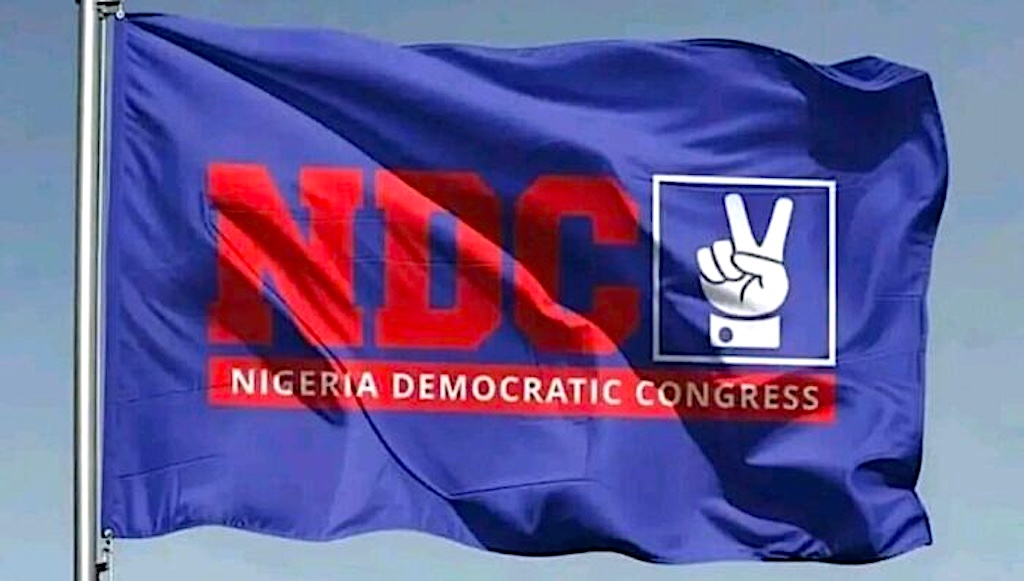
NDC lawmakers condemn court ruling voiding party registration, allege plot against opposition
Briefly Analysis
The recent condemnation by NDC lawmakers regarding the Federal High Court’s decision to void their party’s registration highlights the escalating tension between political opposition groups and the judiciary in the lead-up to the 2027 general elections. The lawmakers have characterized the ruling as a calculated effort to stifle political pluralism, signaling their intent to exhaust all appellate remedies, including potential appeals to the Court of Appeal and the Supreme Court. This development is legally significant because it frames the registration of political parties not merely as an administrative hurdle, but as a constitutional battleground concerning the right to freedom of association as enshrined in Section 40 of the 1999 Constitution.
From a legal context, the dispute centers on the interpretation of the powers granted to INEC under the Electoral Act 2022. The opposition’s allegation of a 'coordinated plot' suggests that the legal battle will likely shift toward arguments concerning the independence of the judiciary and the impartiality of the electoral umpire. In the Nigerian hierarchy of courts, the Federal High Court’s decision is subject to review by the Court of Appeal, which will be tasked with determining whether the initial registration order was fundamentally flawed or if the subsequent reversal was politically motivated. This case underscores the broader challenges of litigating political rights in a climate of heightened partisan suspicion.
For legal professionals and political stakeholders, the takeaway is that the registration of a political party is increasingly becoming a high-stakes litigation matter that requires robust constitutional arguments rather than simple administrative filings. Attorneys representing political parties must be prepared for protracted legal battles that extend beyond the initial registration phase. It is advisable for legal teams to build a comprehensive evidentiary record that demonstrates full compliance with the Electoral Act from the outset, as the judiciary is currently demonstrating a heightened sensitivity to the procedural integrity of the registration process. Monitoring the appellate court’s eventual stance on this matter will be essential for understanding the future landscape of political competition in Nigeria.