
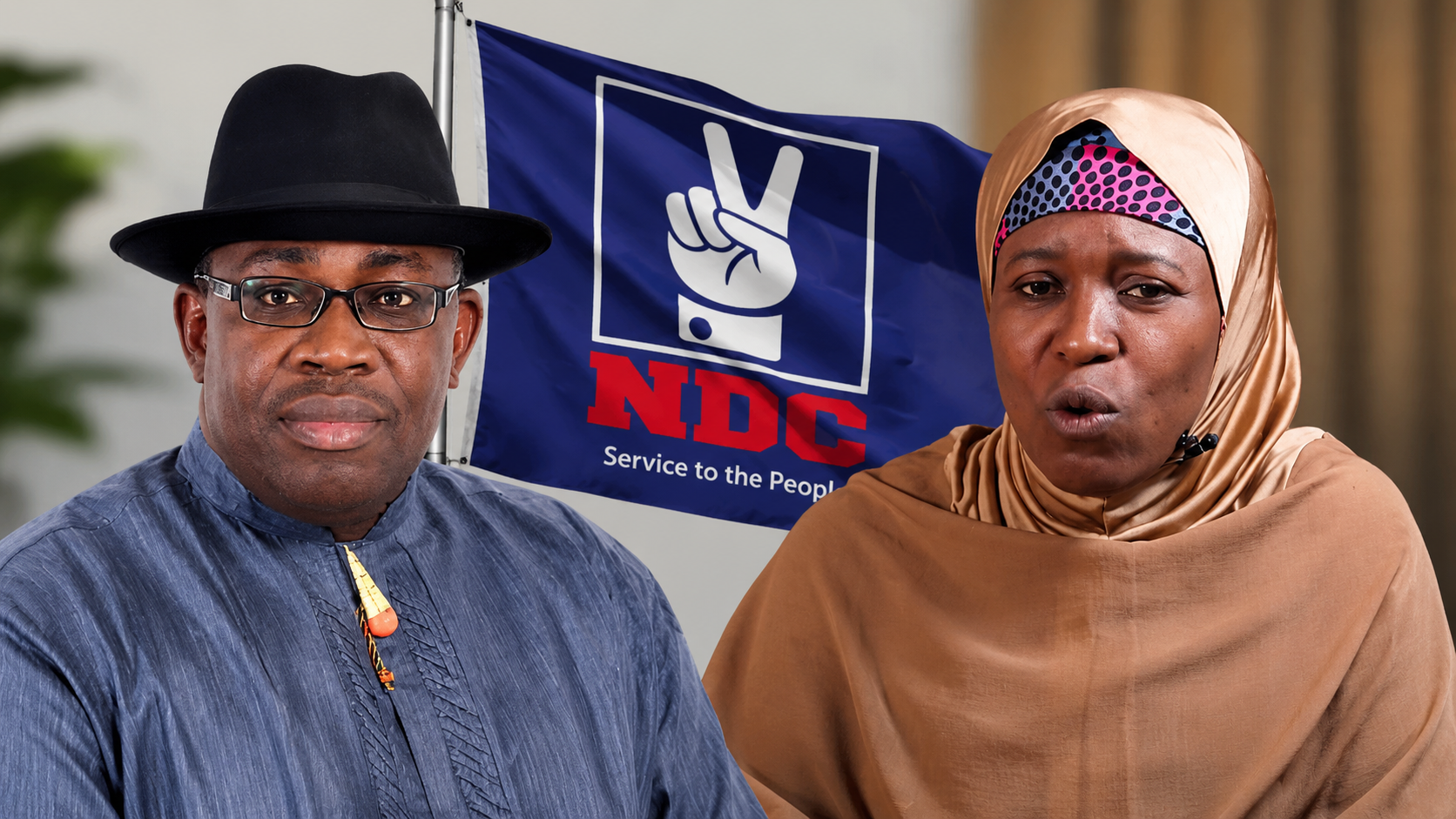
NDC Primaries: How Aisha Yesufu rejected Reps ticket – Dickson
Abstract
The recent allegations by activist Aisha Yesufu regarding the manipulation of the Nigeria Democratic Congress (NDC) FCT Senatorial District primaries, and her subsequent rejection of a House of Representatives ticket, underscore persistent challenges to internal party democracy in Nigeria. This development highlights critical legal issues surrounding the conduct of party primaries, the extent of judicial intervention in intra-party disputes, and the implications of non-compliance with the Electoral Act 2022. For legal professionals, this incident serves as a pertinent case study on the delicate balance between party autonomy and statutory mandates, emphasizing the need for strict adherence to electoral guidelines to ensure credible candidate selection processes and mitigate post-primary litigation.
Introduction
The integrity of Nigeria's electoral process hinges significantly on the transparency and fairness of political party primaries. Recent events surrounding the Nigeria Democratic Congress (NDC) FCT Senatorial District primaries, where activist Aisha Yesufu alleged widespread manipulation and subsequently rejected a House of Representatives ticket, bring these critical issues to the fore. Ms. Yesufu, an aspirant for the FCT Senatorial District, claimed that the primaries were compromised, citing repeated postponements, last-minute venue changes, and a deviation from established party guidelines, moving from direct primaries to a delegate-based process that she described as a "predetermined outcome."
This incident is not isolated but reflects a recurring pattern of discontent and legal challenges arising from party primaries across the Nigerian political landscape. For legal practitioners, it necessitates a closer examination of the legal framework governing candidate selection, the powers and limitations of political parties, and the scope of judicial review in pre-election matters. This article will delve into the statutory provisions, judicial precedents, and practical implications of such disputes, offering insights into navigating the complexities of internal party democracy in Nigeria.
Background
The legal framework for the nomination of candidates by political parties in Nigeria is primarily enshrined in the 1999 Constitution of the Federal Republic of Nigeria (as amended) and the Electoral Act 2022. Section 84(1) of the Electoral Act 2022 mandates political parties to hold primaries for all elective positions, which must be monitored by the Independent National Electoral Commission (INEC). The Act provides for three distinct procedures for candidate nomination: direct primaries, indirect primaries, or consensus.
INEC plays a crucial oversight role, empowered to monitor party conventions, congresses, and meetings convened for the purpose of electing executive committees or nominating candidates. Political parties are required to give INEC at least 21 days' notice of any such event, specifying the type of primaries, date, place, and time. Historically, the judiciary has often adopted a non-interventionist stance on the "internal affairs" of political parties, as seen in cases like *Onuoha v. Okafor (1984)*, where the Supreme Court held that candidate selection was an internal party matter. However, this position has evolved, particularly with the enactment of provisions like Section 84(14) of the Electoral Act 2022, which explicitly grants courts jurisdiction to hear complaints from aspirants who allege that the provisions of the Act or the party's constitution and guidelines were not complied with in the conduct of primaries.
Analysis
Aisha Yesufu's allegations of manipulation, including the arbitrary change from direct to delegate primaries and last-minute venue shifts, directly implicate the provisions of the Electoral Act 2022 and INEC's regulations. Section 84(4) and (5) of the Act clearly outline the procedures for direct and indirect primaries, respectively, emphasizing equal opportunity for aspirants and adherence to established processes. Any deviation from these statutory requirements or a party's own approved guidelines can form a valid ground for challenging the primary election outcome.
The Supreme Court has, in recent jurisprudence, demonstrated a willingness to intervene in party primaries where there is a clear breach of statutory provisions or party guidelines. While acknowledging that political parties are masters of their own destinies, the courts will not allow them to act arbitrarily or with impunity. For instance, in *SANI v. APC & ORS (2023) LPELR-60002 (SC)*, the Supreme Court affirmed that merely monitoring a primary by INEC does not legitimize a process not approved by the party's National Working Committee. This judicial stance provides a crucial check on the internal workings of political parties, ensuring that internal democracy is not merely a theoretical concept but a legally enforceable standard.
Ms. Yesufu's decision to reject a House of Representatives ticket after alleging manipulation in the Senatorial primaries, rather than pursuing a legal challenge, highlights the practical dilemmas faced by aggrieved aspirants. While the Electoral Act 2022 provides a window for aspirants to challenge primaries, the process can be arduous and time-sensitive, given the 14-day limitation period for pre-election matters under Section 285(9) of the 1999 Constitution. The Act also allows for the withdrawal of candidature, requiring written notification to the party and subsequent notification to INEC. Her rejection, therefore, represents a form of political protest against perceived injustice, even if not a direct legal recourse, and underscores the need for parties to conduct credible primaries to retain the confidence of their members and the public.
Conclusion
The controversy surrounding the NDC primaries and Aisha Yesufu's subsequent actions serve as a stark reminder of the persistent challenges to internal party democracy in Nigeria. The legal framework, particularly the Electoral Act 2022, provides clear guidelines for the conduct of primaries and avenues for redress when these guidelines are breached. However, the practical realities of political maneuvering and the complexities of litigation often present difficult choices for aspirants.
For legal practitioners, this scenario reinforces the critical importance of advising political parties on strict compliance with the Electoral Act 2022 and their own constitutions and guidelines to avoid costly and reputation-damaging disputes. Equally, advising aspirants on their rights, the available legal remedies, and the strategic considerations involved in challenging primary outcomes is paramount. The judiciary's evolving role in upholding internal party democracy, by intervening where statutory provisions are violated, signals a continuous effort to sanitize the electoral process. Moving forward, all stakeholders must prioritize transparency and adherence to the rule of law in candidate selection to foster greater public confidence in Nigeria's democratic institutions.
Citations
- 1.1999 Constitution of the Federal Republic of Nigeria (as amended)
- 2.Electoral Act 2022
- 3.Onuoha v. Okafor (1984) SCN
- 4.SANI v. APC & ORS (2023) LPELR-60002 (SC)
How does this affect your business?
Get an AI analysis of this article grounded in your jurisdictions, practice areas, and any policy documents you've uploaded to Wansom.