
NDIC begins payout to depositors after CBN revokes licences of 46 microfinance banks
Abstract
The Central Bank of Nigeria (CBN) recently revoked the operating licenses of 46 microfinance banks (MFBs) across the country, effective July 1, 2026, citing their failure to meet regulatory requirements. This action, taken under the Banks and Other Financial Institutions Act (BOFIA) 2020, underscores the CBN's commitment to financial sector stability. Following the revocation, the Nigeria Deposit Insurance Corporation (NDIC) commenced the process of paying insured depositors, acting as the official liquidator. This development highlights the critical roles of both regulatory bodies in safeguarding the Nigerian financial system and protecting depositors, particularly in the microfinance sector, where deposit insurance limits have recently been significantly increased to N2,000,000 per depositor for MFBs.
Introduction
In a decisive move to strengthen the integrity and stability of Nigeria's financial landscape, the Central Bank of Nigeria (CBN) recently announced the revocation of operating licenses for 46 microfinance banks (MFBs). This significant regulatory action, which took effect on July 1, 2026, was necessitated by the affected institutions' failure to comply with crucial regulatory requirements, including maintaining adequate capital funds and operational standards. The CBN's decision, communicated through its Acting Director of Corporate Communications, Hakama Sidi-Ali, signals a firm stance against non-compliant financial institutions and is part of ongoing efforts to foster a robust and resilient financial system.
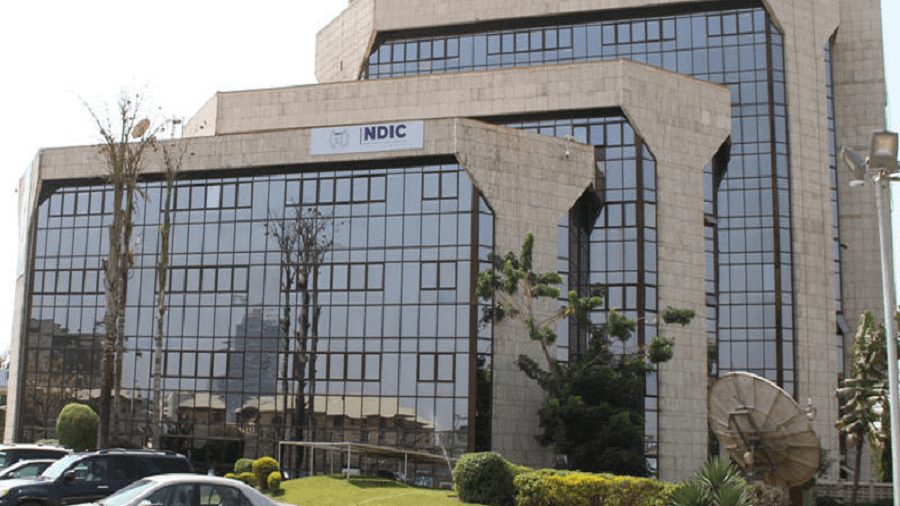
Following the CBN's announcement, the Nigeria Deposit Insurance Corporation (NDIC) swiftly initiated its statutory mandate to protect depositors. The NDIC has commenced the payout process to insured depositors of the now-defunct MFBs, stepping in as the official liquidator. This development is of paramount importance to legal practitioners, particularly those advising clients in the financial services sector, depositors, and creditors, as it clarifies the legal framework governing bank failures and deposit protection in Nigeria. The incident underscores the interplay between the CBN's regulatory powers and the NDIC's role as a financial safety net, ensuring public confidence in the banking system.
This article will delve into the legal underpinnings of the CBN's authority to revoke licenses, the NDIC's role in deposit insurance and liquidation, and the practical implications for stakeholders. It will examine the relevant provisions of the Banks and Other Financial Institutions Act (BOFIA) 2020 and the Nigeria Deposit Insurance Corporation Act 2023, highlighting the mechanisms in place to protect depositors and maintain financial stability in Nigeria.
Background
The regulatory framework governing banking and other financial institutions in Nigeria is primarily enshrined in the Banks and Other Financial Institutions Act (BOFIA) 2020, which repealed the earlier BOFIA 1991. This Act empowers the Central Bank of Nigeria (CBN) as the apex regulatory authority to issue, supervise, and, crucially, revoke banking licenses. Sections 12 and 13 of BOFIA 2020 specifically grant the CBN Governor the power to revoke any license granted under the Act if a bank fails to meet its obligations or operates in a manner detrimental to public confidence. Grounds for such revocation include, but are not limited to, insufficient assets to meet liabilities, closure of operations without CBN approval, inactivity and cessation of financial intermediation, failure to commence operations within 12 months of license approval, and failure to maintain minimum capital funds unimpaired by losses.
Complementing the CBN's regulatory oversight is the Nigeria Deposit Insurance Corporation (NDIC), established by the Nigeria Deposit Insurance Corporation Act 2006, which was recently updated by the NDIC Act 2023. The NDIC's exclusive mandate is to administer the Deposit Insurance System (DIS) in Nigeria, providing a crucial safety net for depositors. Its functions include insuring deposit liabilities of licensed banks and other deposit-taking financial institutions, guaranteeing payments to depositors in the event of bank failure, and acting as a liquidator for failed insured institutions. The NDIC plays a vital role in maintaining financial system stability by protecting depositors and minimizing the impact of bank failures.
Analysis
The CBN's recent revocation of 46 microfinance bank licenses exemplifies the exercise of its statutory powers under Sections 12 and 13 of BOFIA 2020. The stated reasons for the revocations—including insufficient assets, operational cessation, and failure to maintain minimum capital—are direct applications of the conditions stipulated in the Act for such actions. This regulatory intervention is not unprecedented; the CBN has historically revoked licenses of non-compliant institutions to safeguard the financial system. The process typically involves the CBN issuing a notice of revocation, which then triggers the NDIC's role as the statutory liquidator.
Upon license revocation, the NDIC is appointed as the official liquidator of the failed banks, pursuant to Section 12(2) of BOFIA 2020 and Section 55(1 & 2) of the NDIC Act 2023. In this capacity, the NDIC's primary responsibility is to pay insured depositors up to the maximum insured sum and then proceed with the orderly liquidation of the failed institution's assets to settle other creditors. A significant development for depositors of microfinance banks is the recent upward review of the deposit insurance coverage. Effective May 2, 2024, the maximum deposit insurance coverage for Microfinance Banks (MFBs) was increased from N200,000 to N2,000,000 per depositor. This enhanced coverage aims to provide full protection for a larger percentage of MFB depositors, covering approximately 99.27% of total depositors and 34.43% of the total value of deposits in MFBs.
Depositors of the affected MFBs are required to file their claims with the NDIC, providing necessary account documents such as passbooks and fixed deposit certificates. It is crucial to note that the deposit insurance scheme is designed to protect small depositors, and the coverage limit is intended to balance deposit protection with the need to minimize moral hazard, preventing excessive risk-taking by bank management and depositors. While the NDIC's mandate primarily focuses on depositors, its supervisory activities also indirectly protect other stakeholders like creditors and shareholders by promoting sound banking practices. However, the direct payout is limited to insured deposits, and other creditors and shareholders will have their claims addressed through the general liquidation process, which can often be protracted and yield lower recovery rates.
The swift and coordinated action by the CBN and NDIC demonstrates the robustness of Nigeria's financial safety net. The increase in deposit insurance limits for MFBs is a proactive measure to bolster public confidence, particularly in a sector critical for financial inclusion. However, practitioners should advise clients that while the NDIC provides a vital safeguard, the insurance coverage is capped, and any amounts exceeding the insured limit remain subject to the uncertainties of the liquidation process.
Conclusion
The recent revocation of 46 microfinance bank licenses by the Central Bank of Nigeria and the subsequent intervention by the Nigeria Deposit Insurance Corporation underscore the dynamic and increasingly stringent regulatory environment within Nigeria's financial sector. For legal practitioners, this event highlights several key implications. Firstly, it reinforces the importance of advising financial institutions, particularly microfinance banks, on strict adherence to regulatory requirements, including capital adequacy and operational standards, as non-compliance carries severe consequences. Secondly, it provides a practical demonstration of the NDIC's role as a critical component of the financial safety net, offering a clear pathway for depositors to recover their insured funds.
Practitioners should proactively inform clients who are depositors of the affected MFBs about the process for filing claims with the NDIC and the recently increased deposit insurance limit of N2,000,000 for microfinance banks. While this increase offers enhanced protection, clients with deposits exceeding this amount must understand that the uninsured portion will be subject to the general liquidation proceedings, which may involve delays and uncertain recovery. Furthermore, legal professionals should monitor the CBN's ongoing regulatory actions and the NDIC's liquidation progress, as these events often set precedents and inform future policy directions aimed at strengthening the stability and integrity of the Nigerian financial system.
Citations
- 1.Banks and Other Financial Institutions Act 2020
- 2.Nigeria Deposit Insurance Corporation Act 2006
- 3.Nigeria Deposit Insurance Corporation Act 2023
How does this affect your business?
Get an AI analysis of this article grounded in your jurisdictions, practice areas, and any policy documents you've uploaded to Wansom.