
New CoA President vows to ‘attack’ injunctions and stays in bid to resolve delayed appeals
Abstract
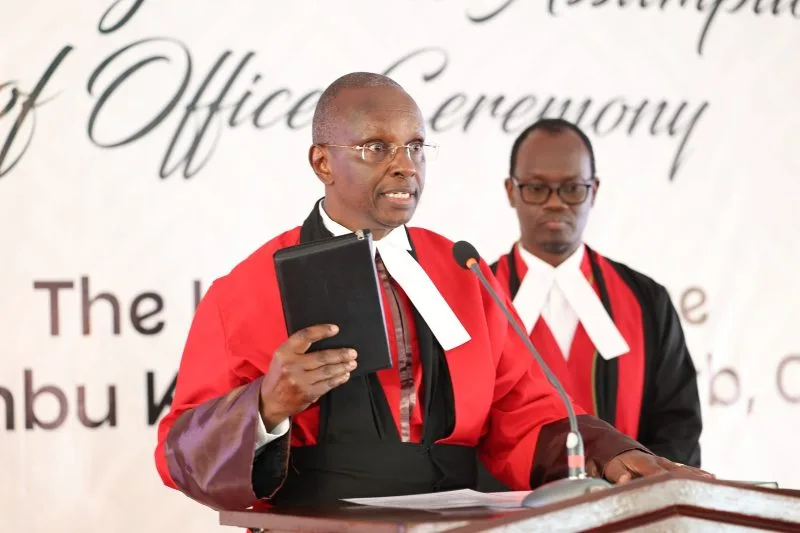
The newly appointed President of the Court of Appeal in Kenya has pledged to address the issue of delayed appeals by targeting applications that seek injunctions or stays of execution pending appeal. This move aims to streamline the appellate process and reduce delays, which have been a concern for the judiciary. The President's vow is seen as an effort to improve the efficiency of the court system and ensure timely disposal of cases.
Introduction
The appointment of a new President of the Court of Appeal in Kenya has brought about a renewed focus on addressing the issue of delayed appeals. One of the key areas identified by the new President, Kairu, is the number of applications filed under Rule 5(2)(b), which seek injunctions or stays of execution pending appeal. These applications have been contributing significantly to delays in the appellate process, and the President has vowed to 'attack' them in an effort to resolve this issue.
Background
The Court of Appeal is a critical component of Kenya's judicial system, responsible for hearing appeals from lower courts. However, the appellate process has faced criticism for being slow and inefficient. The backlog of cases has been a major concern, with many appeals taking years to be disposed of. In an effort to address this issue, the new President has identified applications filed under Rule 5(2)(b) as a key contributor to delays.
Analysis
The new President's vow to 'attack' injunctions and stays pending appeal has also sparked debate about the role of the judiciary in resolving delays. Some have argued that the court system should be more proactive in addressing these issues, while others have suggested that the problem lies with the legal framework itself. The outcome of this matter has not yet been reported, but it is clear that the new President's approach will have significant implications for the appellate process and the overall judiciary.
Conclusion
As the court system continues to grapple with issues of delay and inefficiency, the new President's approach offers a glimmer of hope. By targeting applications that contribute significantly to delays, the President may be able to make meaningful strides towards improving the appellate process. However, much work remains to be done, and it is essential for all stakeholders to work together to address these issues.
How does this affect your business?
Get an AI analysis of this article grounded in your jurisdictions, practice areas, and any policy documents you've uploaded to Wansom.