
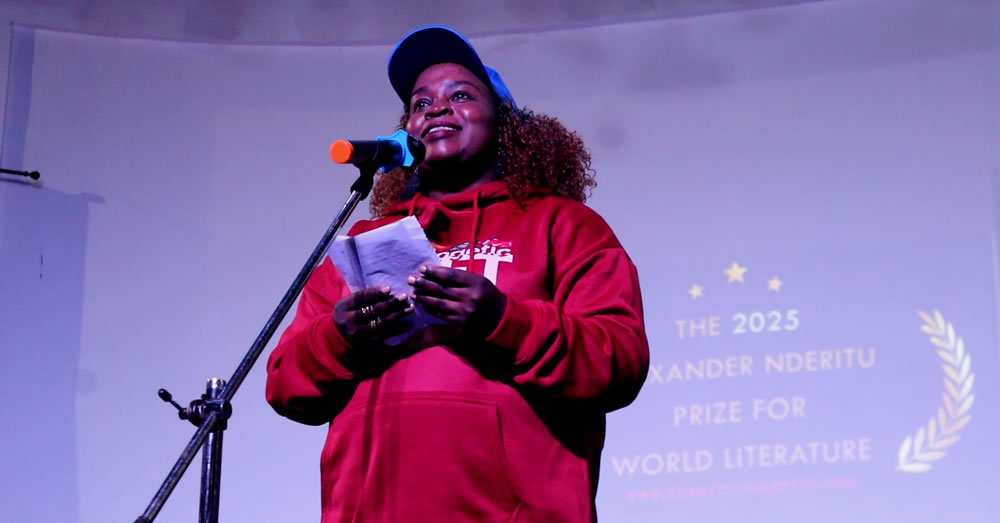
New York playwright wins African based international prize
Abstract
The recent announcement of a New York playwright winning an African-based international prize highlights critical legal considerations for cross-border creative competitions. This article examines the intellectual property framework governing such literary works in Nigeria, focusing on the Copyright Act 2022 and Nigeria's adherence to international treaties like the WIPO Copyright Treaty and the Berne Convention. It delves into the automatic protection afforded to original works, the exclusive rights of authors, and the role of the Nigerian Copyright Commission. Furthermore, it addresses the contractual implications of competition terms and conditions, particularly concerning rights assignment or licensing, and briefly touches upon the tax implications of prize winnings for international participants, offering insights for legal practitioners navigating the intersection of arts, intellectual property, and international law.
Introduction
This development serves as a timely reminder for legal professionals to consider the multifaceted legal landscape surrounding international literary prizes. Key areas of focus include the automatic copyright protection afforded to submitted works, the scope of exclusive rights retained or transferred, the jurisdiction governing the competition's terms, and potential tax liabilities for international winners. This article will explore these legal dimensions within the Nigerian context, given the prize's African base, providing a framework for practitioners to navigate similar international creative endeavours.
Background
Nigeria is also a signatory to several international intellectual property treaties, including the Berne Convention for the Protection of Literary and Artistic Works, the WIPO Copyright Treaty (WCT), and the WIPO Performances and Phonograms Treaty (WPPT). Accession to these treaties ensures that works originating from other member countries receive protection in Nigeria, and vice-versa, facilitating cross-border recognition and enforcement of copyright. This international alignment is critical for competitions involving participants from diverse jurisdictions, as it provides a common ground for the recognition of authors' rights, regardless of their nationality or the place of first publication.
Analysis
The Nigerian Copyright Act 2022 also introduces provisions for the protection of digital content, online piracy, and technological protection measures, which are highly relevant in an age where scripts can be submitted and judged digitally. While the Act strengthens enforcement, some commentators have noted areas, such as compulsory licensing, that may require further refinement to fully align with international obligations under the WIPO Internet Treaties. For competition organisers, ensuring robust digital rights management and clear policies on the handling and security of submitted digital works is vital to mitigate infringement risks and uphold the integrity of the intellectual property involved.
Conclusion
Looking ahead, practitioners should remain vigilant regarding evolving digital rights management, potential amendments to national copyright laws, and the complexities of international tax regimes affecting prize winnings. Proactive legal counsel, encompassing intellectual property strategy, contract drafting, and cross-border tax planning, is indispensable for navigating the dynamic landscape of international creative competitions and ensuring that artistic innovation is adequately protected and rewarded.
Citations
- 1.Copyright Act 2022 (Nigeria)
- 2.Personal Income Tax Act, Cap. P8 LFN 2004 (Nigeria)
- 3.WIPO Copyright Treaty (WCT)
- 4.Berne Convention for the Protection of Literary and Artistic Works
- 5.Nigerian Copyright Commission (NCC)
- 6.National Lottery Act, 2005 (Nigeria)
- 7.Nigerian Tax Act 2025
How does this affect your business?
Get an AI analysis of this article grounded in your jurisdictions, practice areas, and any policy documents you've uploaded to Wansom.