
Nigeria arrested suspected terrorists returning from Hajj. But several questions are unanswered
Abstract
A recent investigation by Premium Times Nigeria has shed light on the official Hajj registration and screening process in Nigeria, following the arrest of seven suspected terrorists returning from Hajj at Katsina airport. The investigation raises several questions about the effectiveness of the current system and potential vulnerabilities that could be exploited by individuals with malicious intentions. As the country continues to grapple with security concerns, this development highlights the need for a more robust and transparent approach to managing Hajj pilgrims.
Introduction
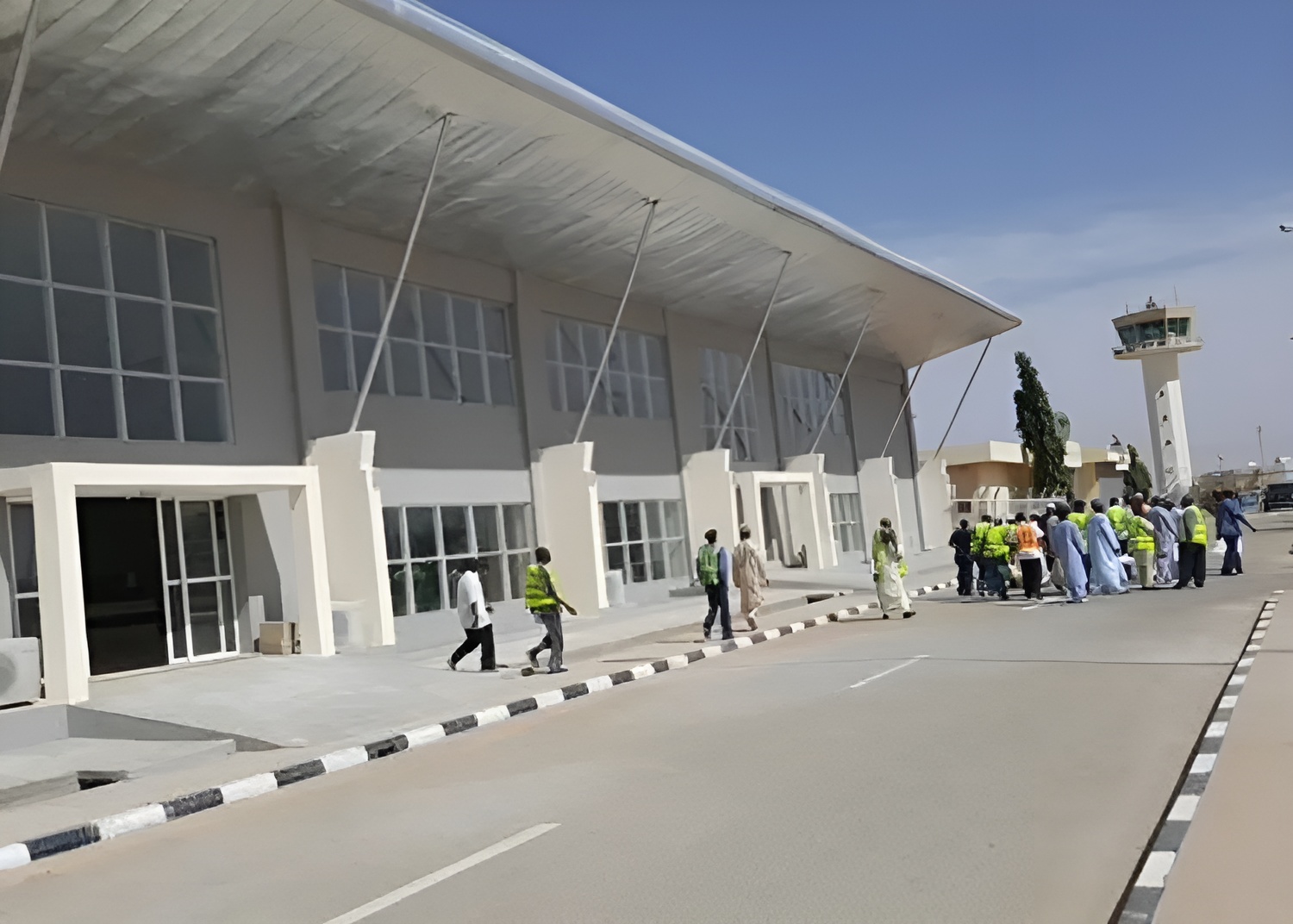
Nigeria's security agencies arrested seven suspected terrorists returning from Hajj at Katsina airport in a recent operation, sparking questions about the effectiveness of the country's Hajj registration and screening process. This development has significant implications for the nation's security landscape, particularly given the ongoing threat posed by terrorist groups. The Premium Times Nigeria investigation provides valuable insights into the official Hajj registration and screening process, but several unanswered questions remain.
Background
The Nigerian government has implemented various measures to enhance security during the Hajj season, including the establishment of a special task force to oversee the registration and screening of pilgrims. However, the recent arrests at Katsina airport suggest that there may be gaps in the current system. The Premium Times Nigeria investigation reveals that the suspected terrorists were able to evade detection despite being on the watchlist of security agencies.
Analysis
The arrest of the seven suspected terrorists raises several questions about the effectiveness of the Hajj registration and screening process in Nigeria. While the government has implemented various measures to enhance security, it appears that there may be vulnerabilities in the system that can be exploited by individuals with malicious intentions. The Premium Times Nigeria investigation highlights the need for a more robust and transparent approach to managing Hajj pilgrims, including improved coordination between security agencies and enhanced screening procedures.
Conclusion
The recent arrests at Katsina airport underscore the importance of strengthening the Hajj registration and screening process in Nigeria. As the country continues to grapple with security concerns, it is essential that the government takes a more proactive approach to addressing potential vulnerabilities in the system. The Premium Times Nigeria investigation provides valuable insights into this critical issue, and its findings should inform policy decisions aimed at enhancing national security.
How does this affect your business?
Get an AI analysis of this article grounded in your jurisdictions, practice areas, and any policy documents you've uploaded to Wansom.