
Nigerian Armed Forces Intervene in Zamfara State to Combat Crime
Abstract
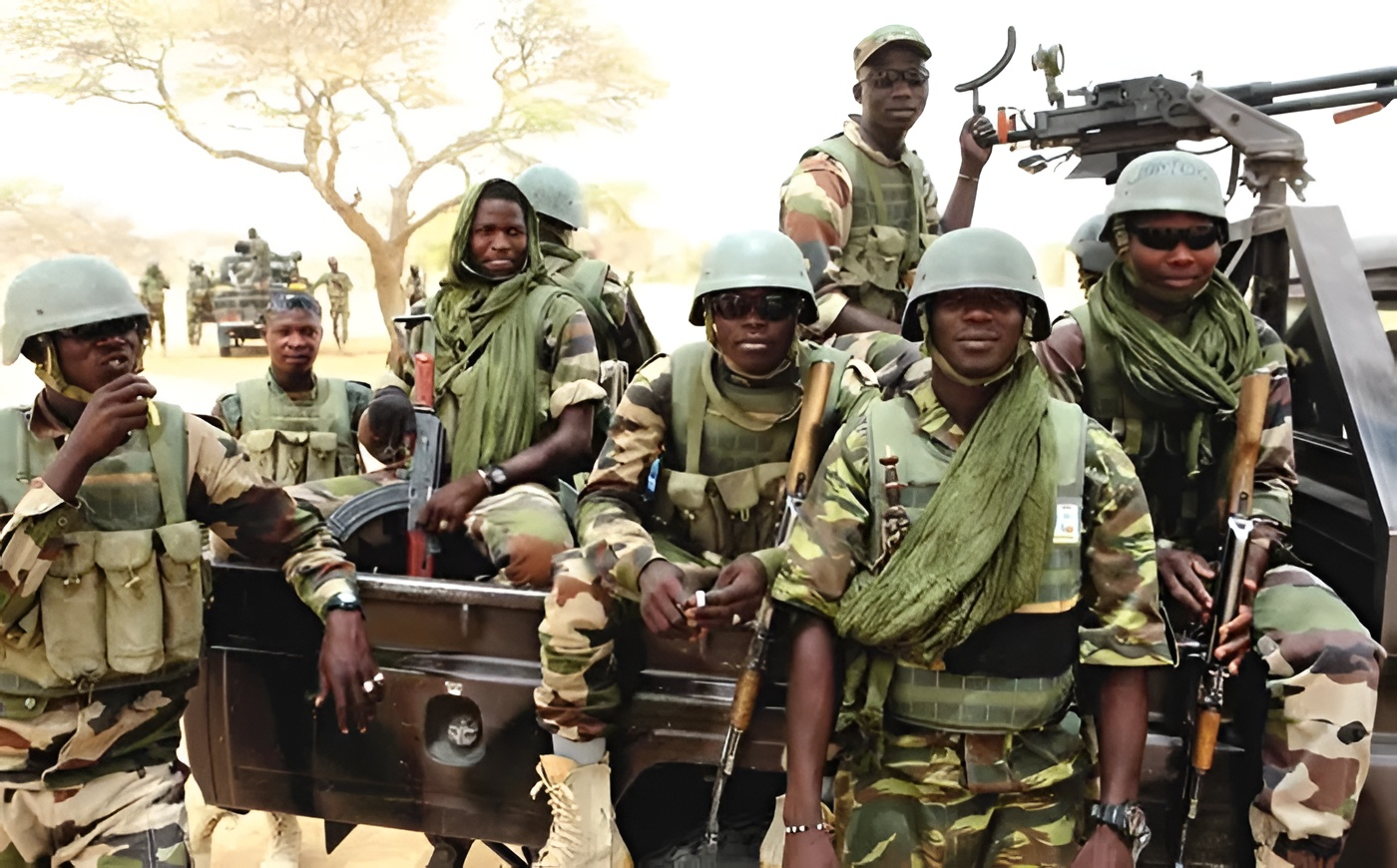
The Nigerian Army recently conducted operations in Zamfara State, rescuing eight kidnap victims and arresting 39 suspected drug dealers. This incident highlights the military's ongoing involvement in internal security operations, particularly in regions grappling with banditry and drug-related crimes. While such interventions are often critical for restoring order and protecting lives, they raise pertinent legal questions regarding the scope of military powers in civilian law enforcement, the adherence to due process for arrested individuals, and the jurisdictional boundaries between the armed forces and conventional policing agencies. This article examines the legal framework underpinning these actions, focusing on constitutional provisions, relevant statutes on kidnapping and drug enforcement, and judicial pronouncements on military involvement in civil matters.
Introduction
Nigeria continues to grapple with multifaceted security challenges, ranging from insurgency and banditry to kidnapping and drug trafficking. In response, the Nigerian Armed Forces are frequently deployed to support civil authorities in maintaining law and order. A recent report from Premium Times Nigeria detailed one such operation in Zamfara State, where troops from Forward Operating Base (FOB) Kaura Namoda successfully rescued eight abducted victims and apprehended 39 suspected drug dealers. This intervention underscores the critical role the military plays in addressing severe security threats across the nation.
While the immediate impact of such operations is often positive, leading to the liberation of victims and the apprehension of criminals, they invariably bring to the fore complex legal considerations. The involvement of the military in traditionally civilian law enforcement functions necessitates a careful examination of the constitutional and statutory provisions that govern their powers, particularly concerning arrest, detention, and the subsequent handling of suspects. This article will delve into the legal landscape surrounding these military actions, analyzing the relevant laws and judicial interpretations to provide clarity for legal practitioners on the implications of such interventions.
Background
The legal framework governing the Nigerian Armed Forces is primarily enshrined in the Constitution of the Federal Republic of Nigeria 1999 (as amended) and the Armed Forces Act, Cap. A20, Laws of the Federation of Nigeria 2004. Section 217(1) of the Constitution establishes the Armed Forces, while Section 217(2)(c) outlines one of their key functions: "suppressing insurrection and acting in aid of civil authorities to restore order when called upon to do so by the President, but subject to such conditions as may be prescribed by an Act of the National Assembly." This provision forms the constitutional basis for military involvement in internal security operations.
Regarding the specific offences, kidnapping is a grave crime addressed by both federal and state legislation. The Terrorism (Prevention and Prohibition) Act 2022 now classifies kidnapping and hostage-taking as acts of terrorism, prescribing severe penalties, including the death penalty where the abduction leads to loss of life, and life imprisonment in other cases. Furthermore, the Act criminalizes the payment of ransom, with a minimum jail term of 15 years for offenders. Many states, including Zamfara, have also enacted specific anti-kidnapping laws. Zamfara State, for instance, assented to the Prohibition and Punishment for Banditry, Cattle Rustling, Cultism, Kidnapping and Other Incidental Offences Law in 2022, which stipulates the death penalty for those convicted of banditry, kidnapping, and related offenses. Drug trafficking is primarily governed by the National Drug Law Enforcement Agency (NDLEA) Act, which grants NDLEA officers extensive powers to search, seize, and arrest without warrant for drug-related offenses.
Analysis
The Nigerian Army's actions in rescuing kidnap victims and arresting suspected drug dealers, while seemingly beneficial for public safety, operate within a complex legal environment that often blurs the lines between military and civilian jurisdiction. While Section 217(2)(c) of the Constitution permits the military to aid civil authorities, judicial pronouncements have consistently emphasized that the military's primary role is external defense, not domestic policing. The Federal High Court, in cases such as *Grace Paul v. Nigerian Army*, has ruled that the Nigerian Army lacks the power to arrest, investigate, and detain civilians not subject to the Armed Forces Act or other military laws, cautioning against the usurpation of police powers.
This creates a critical distinction: while the military may engage in operations to suppress insurrection or act in aid of civil power, particularly in volatile regions like Zamfara, the arrest and subsequent handling of civilian suspects must align with constitutional safeguards and the powers of civil law enforcement agencies. Ideally, civilians apprehended during military operations, such as the 39 suspected drug dealers, should be promptly handed over to the appropriate civil authorities, like the Nigeria Police Force or the National Drug Law Enforcement Agency (NDLEA), for investigation and prosecution. The NDLEA Act specifically empowers its officers to make arrests for drug offenses, and these powers are not generally extended to the military for routine law enforcement.
Furthermore, the fundamental rights of arrested persons, including the right to be brought before a court within constitutionally prescribed timelines (24 or 48 hours depending on proximity to a court), must be respected. Prolonged detention by military authorities without transfer to civil police or arraignment before a court would constitute a violation of these rights. The reclassification of kidnapping as an act of terrorism under the Terrorism (Prevention and Prohibition) Act 2022 and the stringent penalties under state laws like Zamfara's anti-kidnapping legislation underscore the severity of these crimes but do not automatically confer primary arrest and prosecutorial powers on the military over civilians in non-military contexts. The interface between military operations and civil justice requires clear protocols for transfer of custody and adherence to due process to prevent human rights abuses and ensure the legitimacy of subsequent legal proceedings.
Conclusion
The Nigerian Army's successful rescue of kidnap victims and arrest of suspected drug dealers in Zamfara State demonstrates the military's vital role in combating severe security threats that overwhelm conventional policing. However, these operations highlight the persistent tension between national security imperatives and the rule of law in a democratic society. For legal practitioners, it is crucial to understand that while the military can act in aid of civil authority, their powers of arrest and detention over civilians are circumscribed.
Practitioners should closely monitor cases involving military arrests of civilians, ensuring that due process is followed, and that suspects are promptly transferred to appropriate civil law enforcement agencies for investigation and prosecution. The judiciary has consistently affirmed the supremacy of civil courts in matters involving civilians. Moving forward, clearer guidelines and enhanced collaboration between the military and civil institutions are essential to ensure that security operations, while effective, remain within the bounds of the law and uphold the fundamental rights of all citizens.
Citations
- 1.Constitution of the Federal Republic of Nigeria 1999 (as amended)
- 2.Armed Forces Act, Cap. A20, Laws of the Federation of Nigeria 2004
- 3.Terrorism (Prevention and Prohibition) Act 2022
- 4.National Drug Law Enforcement Agency Act, Cap. N30, Laws of the Federation of Nigeria 2004
- 5.Prohibition and Punishment for Banditry, Cattle Rustling, Cultism, Kidnapping and Other Incidental Offences Law, Zamfara State (2022)
- 6.Grace Paul v. Nigerian Army (Federal High Court, Abuja, 2021)
How does this affect your business?
Get an AI analysis of this article grounded in your jurisdictions, practice areas, and any policy documents you've uploaded to Wansom.