
NITDA Partners with Meta to Enhance Youth Online Safety
Abstract
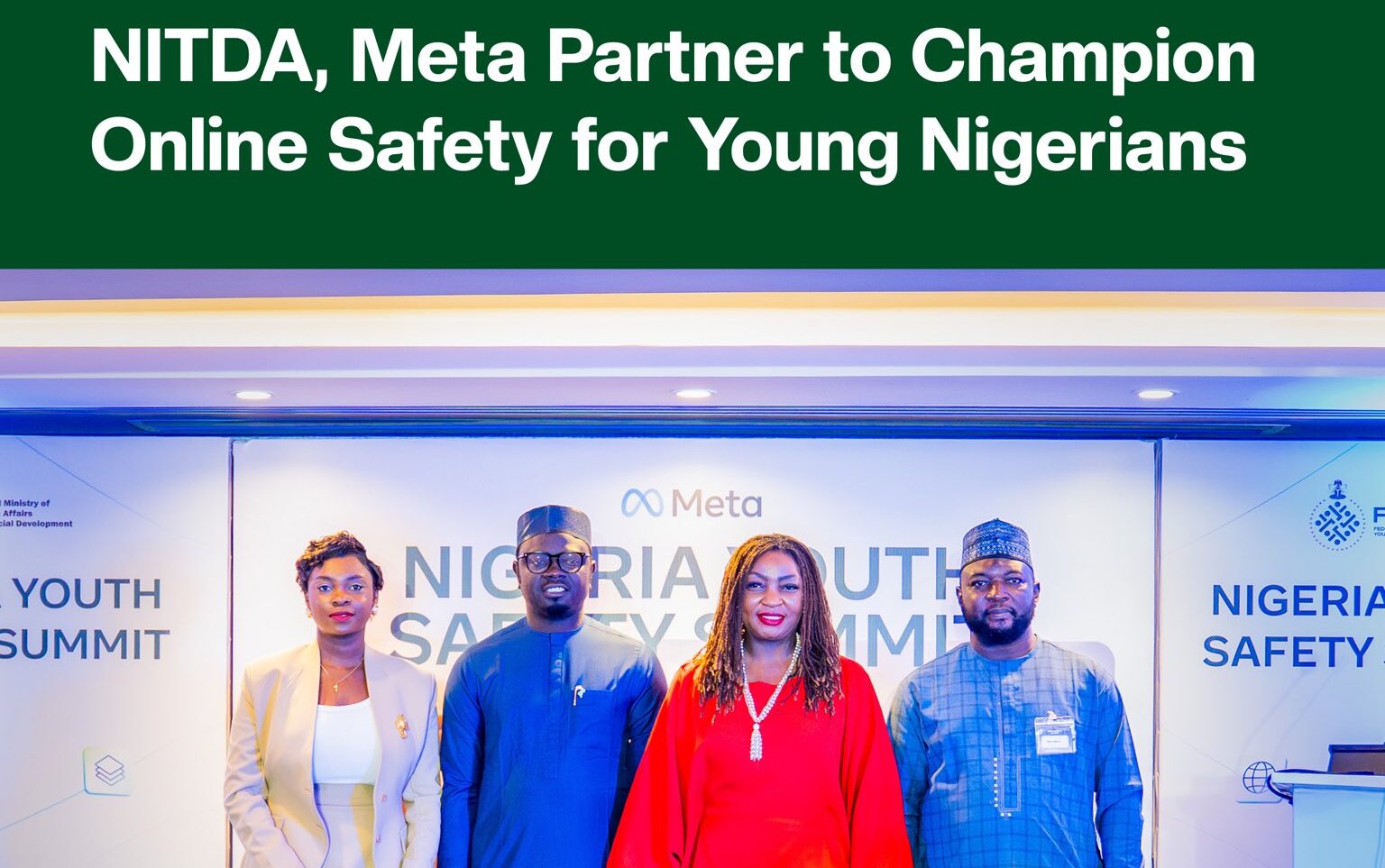
The National Information Technology Development Agency (NITDA) has partnered with Meta to enhance youth online safety in Nigeria, a collaboration aimed at fostering a safer digital environment for young people. This initiative aligns with NITDA's mandate to regulate information technology practices and promote digital literacy, while Meta contributes its expertise in developing safety tools and parental controls for its platforms. The partnership seeks to address the growing concerns of online harms faced by Nigerian youth, such as cyberbullying, exploitation, and exposure to inappropriate content. It underscores a multi-stakeholder approach to digital well-being, leveraging both regulatory frameworks and industry-led solutions. This development is particularly pertinent given Nigeria's evolving legal landscape for child online protection, including the recently passed Child Online Access Protection Bill and the Nigeria Data Protection Act 2023, which collectively aim to create a more robust and enforceable framework for safeguarding minors in the digital space.
Introduction
Nigeria's digital landscape is rapidly expanding, presenting both immense opportunities and significant risks, particularly for its burgeoning youth population. In recognition of this dual reality, the National Information Technology Development Agency (NITDA), the primary government agency responsible for IT development and regulation in Nigeria, has announced a strategic partnership with Meta, the parent company of Facebook, Instagram, and WhatsApp. This collaboration is specifically designed to bolster youth online safety, ensuring that young Nigerians can engage with digital platforms in a secure, positive, and age-appropriate manner.
The partnership comes at a critical juncture, as legislative efforts to enhance child online protection in Nigeria gain momentum. With the increasing prevalence of online harms, from cyberbullying to exposure to illicit content, the need for concerted action involving both regulators and technology providers has become paramount. This article will delve into the legal and regulatory context underpinning this collaboration, examine its potential impact, and discuss the broader implications for digital governance and child protection in Nigeria.
Background
The legal framework governing information technology and child protection in Nigeria is multifaceted, drawing from several key statutes. The National Information Technology Development Agency Act 2007 established NITDA with a broad mandate to develop, standardize, and regulate Information Technology practices in Nigeria, including the formulation of guidelines and regulations. This mandate extends to promoting digital literacy and capacity building, which are crucial components of online safety.
Complementing NITDA's regulatory role are other significant pieces of legislation. The Cybercrime Act 2015 serves as Nigeria's foundational law against cyber offenses, prohibiting, preventing, and punishing various cybercrimes, including those related to child pornography, cyberstalking, and computer-related fraud. While comprehensive in its scope against cyber criminality, the Act's specific provisions for child online protection have been noted to have limitations. The Child Rights Act 2003, which domesticates the United Nations Convention on the Rights of the Child, provides a general framework for the protection, care, and development of children, guaranteeing their rights to safety and protection from abuse. However, its application to the digital realm has been fragmented, with uneven domestication across states and a lack of specific provisions addressing modern digital threats.
More recently, the Nigeria Data Protection Act (NDPA) 2023 has introduced robust provisions for safeguarding personal data, explicitly defining a child as any person below 18 years for data processing purposes. The NDPA mandates data controllers to obtain parental or legal guardian consent for processing a child's personal data and requires privacy policies to be presented in a child-friendly format. Furthermore, the House of Representatives passed the Child Online Access Protection Bill (HB.244) in December 2025, which aims to establish a comprehensive legal framework for child online safety, introducing mandatory content restriction, stricter penalties, and platform accountability measures, including age-appropriate content filters and effective reporting mechanisms. This bill, if assented to, will significantly strengthen Nigeria's legal arsenal against online harms targeting minors.
Analysis
The partnership between NITDA and Meta represents a crucial step towards a co-regulatory approach to online safety in Nigeria, blending governmental oversight with industry responsibility. NITDA, through its mandate, is actively involved in policy formulation, regulations, and guidelines on child online safety, alongside advocacy and capacity building. Meta's commitment, demonstrated through the unveiling of enhanced safety tools like "Teen Accounts" with built-in protections and parental supervision features, directly addresses the need for platforms to implement proactive safety measures. These tools, which include private accounts by default, strict messaging settings, sensitive content restrictions, and time limits, align with the principles of age-appropriate design and duty of care increasingly advocated for in digital regulation.
The collaboration also resonates with the provisions of the Nigeria Data Protection Act 2023, particularly concerning the protection of minors' data. The NDPA's requirement for age verification mechanisms and parental consent for data processing places a clear legal obligation on platforms like Meta. Meta's enhanced parental supervision tools, allowing parents to receive notifications on content reporting and gain insights into messaging, directly support the NDPA's emphasis on parental oversight and control over children's online activities. This synergy between regulatory requirements and platform features is vital for effective implementation.
However, challenges remain. Despite the existence of laws like the Cybercrime Act 2015, enforcement has been a persistent issue, particularly concerning offenses affecting children. The uneven domestication of the Child Rights Act across Nigerian states also creates a fragmented protective landscape. The proposed Child Online Access Protection Bill (HB.244) seeks to address these gaps by establishing a clear enforcement framework and mandating platform accountability, including the removal of harmful content. The success of the NITDA-Meta partnership will, therefore, depend not only on the technical solutions offered but also on robust enforcement mechanisms and continuous regulatory evolution.
Furthermore, the partnership's focus on digital literacy, a core area for NITDA, is critical. Equipping children, parents, and educators with the knowledge and skills to navigate the online world safely is a proactive measure that complements legislative and technological safeguards. NITDA's "Digital Literacy for All (DL4ALL)" initiative, aiming for significant digital literacy targets by 2030, provides a broad framework within which this partnership can foster greater awareness and responsible online behavior. This holistic approach, combining regulation, industry innovation, and public education, is essential for creating a truly safe digital ecosystem for Nigerian youth.
Conclusion
The partnership between NITDA and Meta to bolster youth online safety in Nigeria signals a crucial shift towards a more integrated and proactive approach to digital governance. For legal practitioners, this collaboration highlights the increasing importance of understanding the interplay between evolving digital regulations, such as the Nigeria Data Protection Act 2023 and the impending Child Online Access Protection Bill, and the self-regulatory measures implemented by major technology platforms. Attorneys advising tech companies must ensure compliance with both existing and emerging Nigerian laws, particularly regarding age verification, data privacy for minors, and content moderation.
Looking ahead, practitioners should closely monitor the final assent and implementation of the Child Online Access Protection Bill, as it will introduce significant new obligations and accountability mechanisms for digital platforms. The effectiveness of this partnership, and indeed the broader online safety landscape in Nigeria, will hinge on the seamless integration of regulatory mandates with technological solutions, robust enforcement, and sustained digital literacy initiatives. The ongoing dialogue between government agencies, civil society, and tech giants like Meta will be instrumental in shaping a secure and empowering digital future for Nigerian youth, requiring continuous legal vigilance and adaptive strategies from all stakeholders.
Citations
- 1.National Information Technology Development Agency Act 2007
- 2.Cybercrime Act 2015
- 3.Child Rights Act 2003
- 4.Nigeria Data Protection Act 2023
- 5.Child Online Access Protection Bill (HB.244) (as passed by the House of Representatives in December 2025)
- 6.Meta Unveils Enhanced Safety Tools For Nigerian Teens, Parents - dailynaija (June 28 2026)
- 7.Meta Unveils Enhanced Safety Tools For Nigerian Teens, Parents (June 27 2026)
- 8.National Assembly Passes Historic Child Online Protection Bill (HB.244) - NALTF (December 04 2025)
- 9.Regulations - NITDA
- 10.Meta unveils enhanced online safety tools for Nigerian teens, parents (June 26 2026)
- 11.Personal Data of a Minor: What You Must Know - Udo Udoma & Belo-Osagie
- 12.THE REGULATION OF TECHNOLOGY COMPANIES IN NIGERIA – THE PROPOSED NITDA ACT 2021 - Global Law Experts
- 13.Nigeria Data Protection Act 2023 Review - KPMG International
- 14.DATA PRIVACY AND PROTECTION OF CHILDREN IN SCHOOLS - SRJ Legal (December 22 2024)
- 15.Meta Partners with the Nigeria Data Protection Commission to Launch a Privacy Education Campaign in Nigeria - About Meta (February 03 2026)
- 16.Nigeria's New Data Protection Act, Explained - The Future of Privacy Forum (June 28 2023)
- 17.Data protection laws in Nigeria (March 17 2026)
- 18.Rethinking the framework for child online protection in Nigeria (and the Global South)
- 19.Meta, NDPB, others preach collaboration for online safety - The Nation Newspaper (October 16 2025)
- 20.Digital Literacy & Capacity Building - NITDA
- 21.CYBERCRIME-ACT-2015.pdf - CYPF Nigeria
- 22.Cybercrime and the Nigerian Youth: Effects and the Position of the Law- Omolola Amusan (June 17 2020)
- 23.NITDA: Online Harms Bill to mandate age verification for minors in Nigeria (December 12 2024)
- 24.Cybercrime regulation and Nigerian youths increasing involvement in internet fraud: Attacking the roots rather than the symptoms - Allied Business Academies
- 25.Child Online Protection Bill HB244 Explained - YouTube (June 09 2026)
- 26.THE CHILD RIGHTS ACT IN NIGERIA AND ONLINE CHILD SAFETY - Fountain Journals (August 10 2025)
- 27.NITDA, Ministry of Youth, and NYSC Launch Initiative to Boost Digital Literacy Among Nigerian Youth (July 05 2024)
- 28.NITDA, NUC Strengthen Partnership to Implement Digital Literacy and Skills Curriculum (March 10 2025)
- 29.NITDA Digital Literacy for All (DL4ALL) Initiative - NerdzFactory Foundation
- 30.Child Protection in Nigeria's Digital Era: Socio-Legal Perspectives on Online Exploitation, and the Role of Social Work - Zenodo (December 18 2025)
- 31.Fed Govt, NITDA team up to train 30m youths on digital literacy - The Nation Newspaper (August 12 2024)
- 32.Understanding the Cybercrime Act 2015: A Comprehensive Guide to Nigeria's Digital Security Landscape - Maverick-Forte-Legal (May 22 2024)
- 33.Balancing online safety and child rights - Financial Nigeria (April 20 2026)
- 34.Rep passes Child Online Safety Bill to protect minors in digital space - Premium Times (December 08 2025)
- 35.Understanding Nigeria's Cybercrimes Act and its Implementation Mechanism - CJID (May 04 2024)
- 36.White Paper on the Framework for an Online Harms Protection Bill in Nigeria - NITDA (December 12 2024)
- 37.Be Responsible Online, DG NITDA Admonishes High School Students (May 21 2021)
- 38.Child Online Protection: The Situation in Nigeria
- 39.Nigeria advances online harm protection action - ICLG (July 28 2025)
How does this affect your business?
Get an AI analysis of this article grounded in your jurisdictions, practice areas, and any policy documents you've uploaded to Wansom.