
Nortsu-Kotoe demands dissolution of Bolgatanga Technical University Governing Council
Abstract
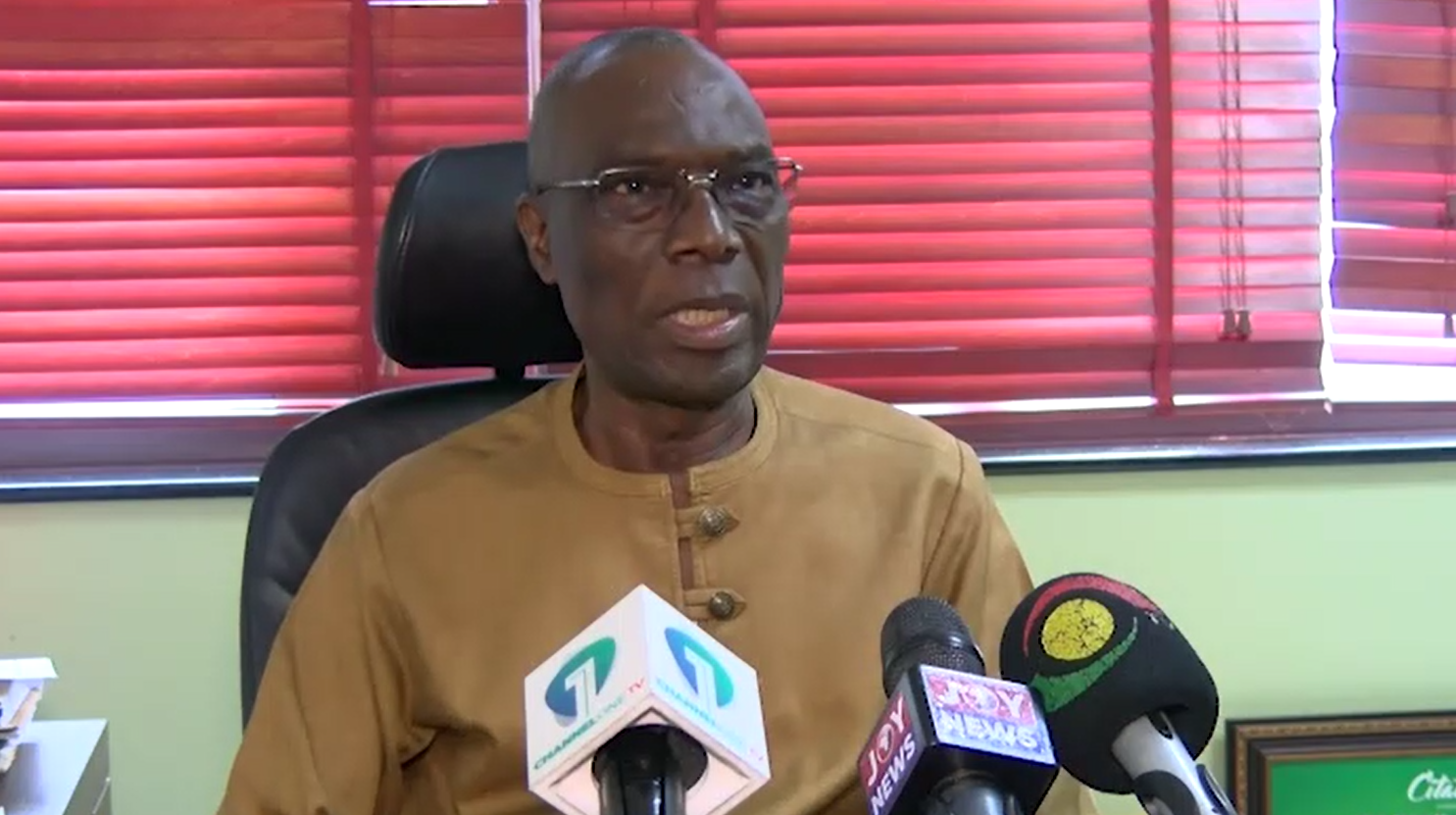
The Chairman of Parliament’s Education Committee, Peter Nortsu-Kotoe, has called on President John Mahama to dissolve the Governing Council of Bolgatanga Technical University (BTU) and appoint a new one. This demand follows the Council's suspension and subsequent termination of the university's Vice-Chancellor, Professor Samuel Erasmus Alnaa, and other staff, over alleged procurement irregularities. The call highlights a significant governance dispute within Ghana's tertiary education sector, raising questions about the legal boundaries of university autonomy, the powers of Governing Councils, and the President's intervention authority under the Technical Universities Act, 2016 (Act 922) and its amendments, as well as the oversight role of the Ghana Tertiary Education Commission (GTEC).
Introduction
A significant governance crisis has engulfed the Bolgatanga Technical University (BTU) in Ghana, drawing the attention of national political figures and legal observers. The Chairman of Parliament’s Education Committee, Peter Nortsu-Kotoe, has publicly urged President John Dramani Mahama to dissolve the university's Governing Council and reconstitute it with new members. This extraordinary call stems from the Council's decision to suspend and subsequently terminate the appointment of the Vice-Chancellor, Professor Samuel Erasmus Alnaa, alongside the suspension of other key university staff, citing alleged procurement breaches.
The demand for presidential intervention underscores the escalating tensions within BTU and raises critical questions regarding the interpretation and application of Ghana's higher education laws. The actions of the Governing Council have been described by the parliamentary committee chairman as inconsistent with the statutes governing technical universities, suggesting an overreach of authority by the Council Chair in the day-to-day administration of the institution. This article delves into the legal framework governing technical universities in Ghana, examining the powers vested in Governing Councils, the President's role in university governance, and the implications of such a dissolution on institutional autonomy and stability.
Background
Ghana's tertiary education landscape, particularly concerning technical universities, is primarily governed by the Technical Universities Act, 2016 (Act 922), which converted several polytechnics into technical universities. Bolgatanga Polytechnic was subsequently converted to Bolgatanga Technical University through the Technical Universities (Amendment) Act, 2020 (Act 1016). These Acts establish the framework for the administration and governance of these institutions, including the composition, functions, and powers of their Governing Councils.
Under Act 922, the Governing Council is the highest decision-making body of a technical university, responsible for the overall policy and strategic direction of the institution. The President of Ghana plays a crucial role in the appointment of members to these Governing Councils. The Act also outlines provisions for the appointment, tenure, and removal of principal officers, including the Vice-Chancellor, who serves as the chief executive officer and academic head of the university. The Ghana Tertiary Education Commission (GTEC), established by the Education Regulatory Bodies Act, 2020 (Act 1023), serves as the primary regulatory body for tertiary education in Ghana, overseeing quality assurance, accreditation, and institutional accountability. GTEC is mandated to ensure the effective and efficient administration of tertiary education institutions.
Analysis
The crux of the current dispute at Bolgatanga Technical University lies in the Governing Council's decision to suspend and later terminate the Vice-Chancellor, Professor Samuel Erasmus Alnaa, and other officers. A Special Investigative Committee recommended Prof. Alnaa's dismissal for "good cause" under Statute 13(10) of the BTU Statutes, citing serious procurement breaches. However, the Chairman of Parliament's Education Committee, Peter Nortsu-Kotoe, contends that these actions are inconsistent with the university's statutes and that the Council Chair has overstepped his mandate by engaging in the day-to-day administration of the university.
While Governing Councils possess significant powers, including disciplinary authority over university staff, such powers are not absolute and must be exercised in strict adherence to the provisions of the Technical Universities Act, 2016 (Act 922) and the specific statutes of the respective university. The Ghana Tertiary Education Commission (GTEC) intervened in December 2025, staying the Council's initial directive for the Vice-Chancellor to proceed on leave, describing it as "unprecedented and potentially problematic." More recently, GTEC again stayed the termination of the Vice-Chancellor's appointment and the demotion/suspension of other officers, noting that these decisions appeared to be "at variance with provisions in the enabling Act and Statutes of the University" and requested a comprehensive report from the Council.
The demand for the President to dissolve the Governing Council raises complex legal questions. While the President appoints members to the Governing Councils, the Technical Universities Act, 2016 (Act 922) does not explicitly provide for the President to arbitrarily dissolve a sitting Council. Such a drastic measure would likely require specific statutory grounds, such as gross misconduct, persistent failure to perform statutory functions, or actions that fundamentally undermine the university's objectives, and would need to be exercised with due regard to administrative law principles. The absence of an explicit provision for presidential dissolution in such circumstances suggests that any such action would need to be carefully justified and could be subject to judicial review, particularly given the Vice-Chancellor's ongoing legal challenge against his termination.
This situation highlights the delicate balance between governmental oversight, exercised through presidential appointments and regulatory bodies like GTEC, and the principle of university autonomy, which is crucial for academic freedom and institutional integrity. The allegations of the Council Chair taking over day-to-day administration, if proven, would indeed contravene established governance principles that vest executive management in the Vice-Chancellor. The intervention by GTEC and the parliamentary committee signals a broader concern about adherence to due process and statutory mandates within Ghana's tertiary education system.
Conclusion
The ongoing governance dispute at Bolgatanga Technical University, culminating in the parliamentary committee chairman's call for the dissolution of its Governing Council, presents a significant test for the legal and administrative frameworks governing tertiary education in Ghana. The resolution of this matter will set important precedents regarding the extent of presidential powers in university governance, the limits of Governing Council authority, and the effectiveness of regulatory oversight by the Ghana Tertiary Education Commission.
For legal practitioners, this case underscores the critical importance of strict adherence to the Technical Universities Act, 2016 (Act 922), its amendments, and individual university statutes in all administrative and disciplinary actions. The intervention by GTEC and the Vice-Chancellor's legal challenge emphasize that decisions impacting principal officers must withstand scrutiny against principles of due process, natural justice, and statutory compliance. Practitioners should closely monitor the outcome of this dispute, as it will likely clarify the scope of powers and responsibilities within Ghana's technical university system and potentially influence future legislative or policy reforms aimed at strengthening university governance and safeguarding academic freedom.
Citations
- 1.Technical Universities Act, 2016 (Act 922)
- 2.Technical Universities (Amendment) Act, 2018 (Act 974)
- 3.Technical Universities (Amendment) Act, 2020 (Act 1016)
- 4.Education Regulatory Bodies Act, 2020 (Act 1023)