
NSCDC uncovers fake ‘university’ with 106 ‘students’ in Lagos
Abstract
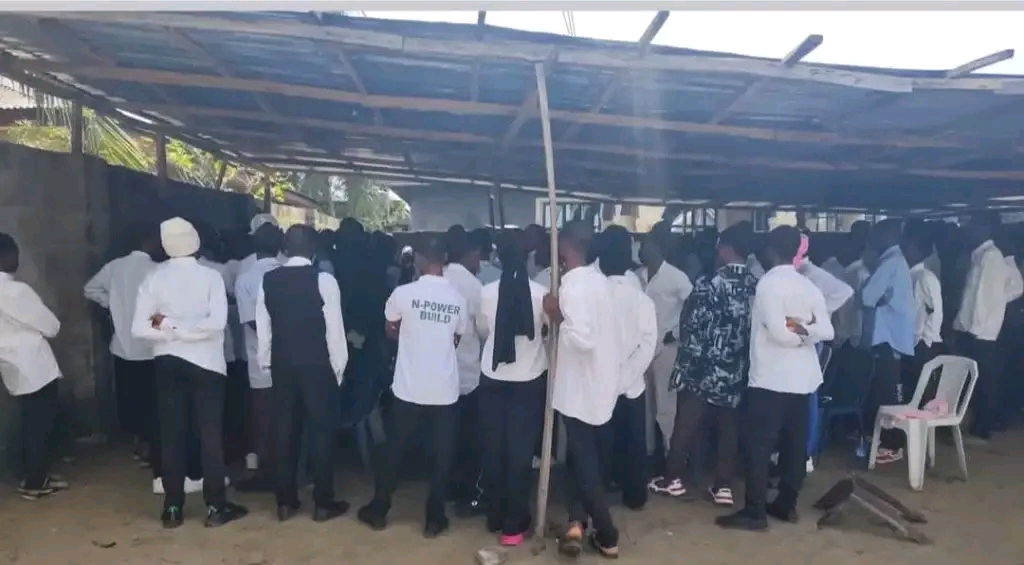
The Nigerian Security and Civil Defence Corps (NSCDC) has uncovered a fake 'university' operating in Lagos, allegedly luring young Nigerians and nationals from neighbouring West African countries with promises of admission to a foreign university. The institution, which claims to have 106 'students', is reportedly operating from a three-bedroom flat in Lagos. This development raises concerns about the proliferation of fake educational institutions in Nigeria and their potential impact on unsuspecting students.
Introduction
The discovery of the fake 'university' by the NSCDC has sparked widespread concern about the ease with which such institutions can operate in Nigeria. The fact that the institution was able to lure 106 individuals, allegedly from various West African countries, suggests a level of sophistication and organization that is alarming. This article will examine the implications of this development for the education sector in Nigeria and the potential consequences for those involved.
Background
The Nigerian education system has faced numerous challenges in recent years, including the proliferation of fake universities and other educational institutions. These institutions often operate outside the law, offering fake degrees and certificates to unsuspecting students. The NSCDC's discovery of the fake 'university' in Lagos is just one example of this phenomenon, highlighting the need for greater regulation and oversight of the education sector.
Analysis
Finally, the NSCDC's discovery of the fake 'university' raises questions about the role of law enforcement agencies in regulating the education sector. While the NSCDC has been commended for its efforts in uncovering the institution, it is unclear whether sufficient resources are being dedicated to this task. This highlights the need for greater collaboration between law enforcement agencies and regulatory bodies to prevent such scams.
Conclusion
As the investigation into the fake 'university' continues, it is essential for regulatory bodies and law enforcement agencies to work together to prevent such scams from operating in the future. This requires a coordinated effort to regulate the education sector, raise awareness among students and parents, and enforce existing laws and regulations.
How does this affect your business?
Get an AI analysis of this article grounded in your jurisdictions, practice areas, and any policy documents you've uploaded to Wansom.