
NTSA introduces tighter vehicle inspection rules
Briefly Analysis
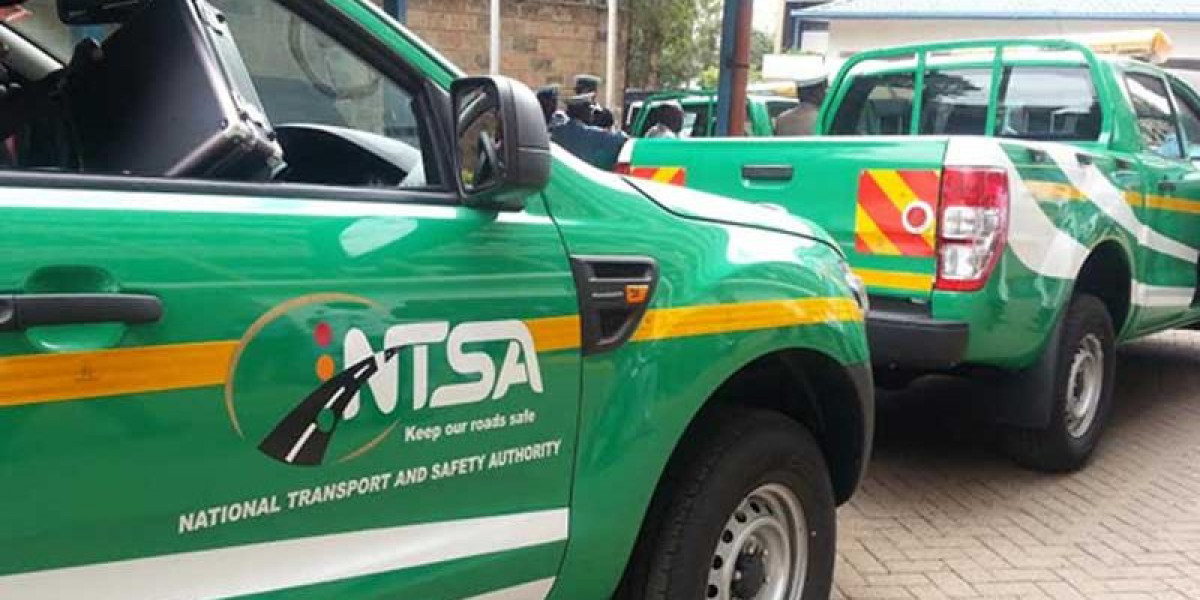
The National Transport and Safety Authority (NTSA) has officially mandated that all motor vehicles exceeding four years of age must undergo annual mandatory inspections effective July 1st. This directive, issued under the authority’s regulatory mandate to oversee road safety, represents a significant tightening of compliance requirements for vehicle owners across Kenya. By shifting from periodic or ad-hoc inspections to a strict annual cycle for older vehicles, the NTSA aims to mitigate the prevalence of mechanical failures that contribute to road traffic accidents. This policy shift is grounded in the Traffic Act and the NTSA (Operation of Public Service Vehicles) Regulations, which empower the authority to set standards for vehicle roadworthiness and enforce compliance through periodic testing.
For legal practitioners and corporate entities managing vehicle fleets, this development necessitates a proactive approach to regulatory compliance. The legal significance lies in the potential for increased liability; should a vehicle be involved in an accident while failing to meet these new inspection standards, owners may face heightened exposure to litigation and insurance claim denials. Furthermore, the NTSA’s enforcement mechanisms, which include the potential impoundment of non-compliant vehicles and the revocation of operating licenses, create a direct operational risk for logistics and transport businesses. Attorneys should advise clients to audit their fleet age profiles immediately to ensure that all vehicles older than four years are scheduled for inspection well before the deadline.
Practitioners should monitor the NTSA’s digital portal updates, as the authority is increasingly digitizing its compliance processes through the e-Citizen platform. It is essential for legal counsel to ensure that their clients maintain meticulous records of inspection certificates, as these documents will serve as the primary evidence of compliance during police or NTSA roadside checks. Moving forward, businesses should integrate these annual inspection cycles into their standard operational risk management frameworks to avoid the punitive measures associated with non-compliance, including the potential for criminal charges under the Traffic Act for operating unroadworthy vehicles.