
ODPP Closes Case in Sh8.2bn Methamphetamine Trafficking Trial
Abstract
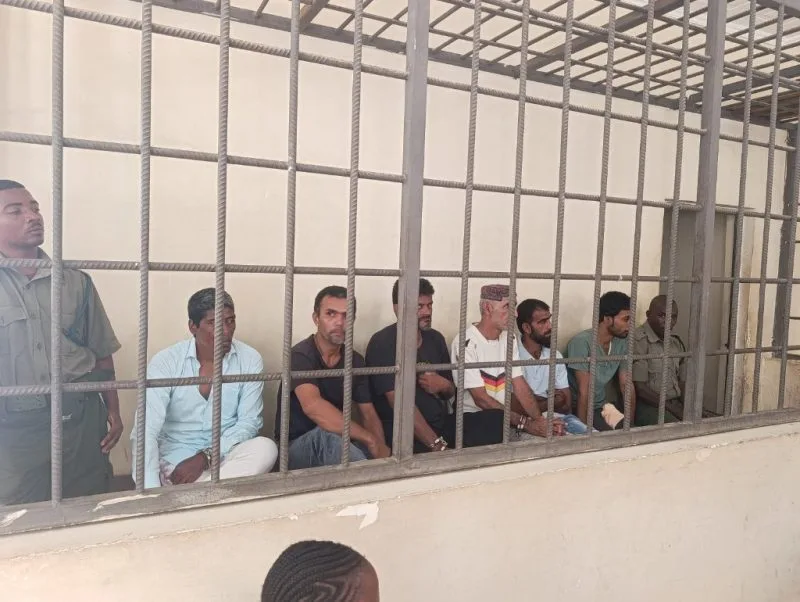
The Office of the Director of Public Prosecutions (ODPP) in Kenya has concluded its case against six Iranian nationals accused of trafficking over one tonne of methamphetamine valued at Sh8.2 billion. The prosecution presented testimony from 12 witnesses before the Shanzu Chief Magistrate’s Court, detailing the high-seas interception of the vessel “Mashaallah” and the subsequent recovery of the illicit drugs. This significant development marks a critical juncture in a high-profile international drug trafficking trial, with the court now set to determine whether the accused have a case to answer after both prosecution and defence file their written submissions. The case underscores Kenya's intensified efforts to combat transnational narcotics syndicates operating along the Indian Ocean corridor.
Introduction
The Kenyan legal landscape is currently seized with a high-stakes international drug trafficking trial, as the Office of the Director of Public Prosecutions (ODPP) recently closed its case against six Iranian nationals. These individuals stand accused of trafficking more than one tonne of methamphetamine, with an estimated street value of KSh 8.2 billion. The conclusion of the prosecution's evidence before the Shanzu Chief Magistrate’s Court, following the testimony of 12 witnesses, represents a pivotal procedural milestone in a case that has drawn significant national and international attention.
This trial is not merely a routine criminal proceeding; it is a testament to Kenya's escalating commitment to dismantling sophisticated transnational narcotics networks that exploit its maritime routes. The sheer volume and value of the seized narcotics, coupled with the international dimension of the accused, highlight the complex challenges faced by law enforcement and judicial authorities in combating organised crime. The outcome of this case will undoubtedly have far-reaching implications for Kenya's anti-narcotics strategy and its standing in global efforts against illicit drug trade.
The immediate focus now shifts to the defence, which will respond to the evidence presented, and subsequently, the court's crucial determination on whether the accused have a case to answer. This article delves into the legal framework governing such offences in Kenya, analyses the procedural implications of the prosecution's concluded case, and considers the broader context of Kenya's fight against drug trafficking.
Background
The legal framework underpinning the prosecution of drug trafficking offences in Kenya is primarily the Narcotic Drugs and Psychotropic Substances (Control) Act, 1994 (Cap 245, Laws of Kenya). This Act provides comprehensive provisions for the control of possession, trafficking, and cultivation of narcotic drugs and psychotropic substances, alongside mechanisms for the forfeiture of property derived from illicit traffic. Over the years, the Act has undergone amendments, notably in 2022, to introduce stiffer penalties and enhance enforcement tools, reflecting the government's resolve to curb the growing menace of drug abuse and trafficking.
Historically, Kenya has been identified as a significant transit hub for international drug trafficking, largely due to its strategic geographical location along the Indian Ocean and its porous borders. This has necessitated a robust legal and operational response from agencies like the Anti-Narcotics Unit within the Directorate of Criminal Investigations (DCI) and the ODPP. The ODPP's mandate includes the prosecution of such complex transnational cases, often involving extensive collaboration with local and international law enforcement bodies.
The current case against the six Iranian nationals falls squarely within the ambit of Section 4(a)(ii) of the Narcotic Drugs and Psychotropic Substances (Control) Act, 1994, which deals with trafficking in narcotic drugs. The alleged offence occurred on the high seas, approximately 350 nautical miles east of the Port of Mombasa, further complicating jurisdictional aspects but firmly placing it within the scope of Kenyan law and international maritime conventions.
Analysis
The prosecution's case, led by Deputy Director of Public Prosecutions Joseph Kimanthi, Principal Prosecution Counsel Alex Ndiema, and Prosecution Counsel Henrietta Mburu, presented a detailed account of the events leading to the arrest of the six Iranian nationals. The lead investigating officer, Inspector Shadrack Kemei of the Anti-Narcotics Unit, testified that intelligence received on October 19, 2025, prompted the Kenya Navy to intercept a suspicious vessel. The vessel, identified as “Mashaallah,” was described as a “dark vessel” for operating without an Automatic Identification System (AIS), a common tactic used by transnational drug networks to evade detection.
Upon interception on October 20, 2025, approximately 350 nautical miles east of Mombasa, and after obtaining search warrants from the Mombasa Law Courts, a joint team of investigators, Kenya Navy, and Kenya Coast Guard Service officers boarded the vessel. Initial searches revealed two packets of a white crystalline substance, which field tests confirmed to be methamphetamine with an estimated purity of 98 percent. A more extensive search after the vessel docked at the Kenya Navy's Mtongwe Jetty uncovered 769 packets of methamphetamine, concealed in six of the vessel's seven compartments, weighing a total of 1,036.044 kilograms. The Government Chemist's analysis conclusively identified the substance as methamphetamine, and the Kenya Maritime Authority confirmed the vessel was stateless, further highlighting the sophisticated nature of the operation.
The conclusion of the prosecution's case now triggers a critical procedural stage: the court's determination of whether the accused have a case to answer. Shanzu Chief Magistrate Anthony Mwicigi has directed both the prosecution and defence to file written submissions within 14 days, with a mention date set for July 13, 2026, to confirm compliance and set a date for the ruling. At this stage, the court will assess whether the evidence adduced by the prosecution is sufficient to establish a prima facie case against the accused, warranting them to be placed on their defence. This threshold requires the prosecution to demonstrate that a reasonable tribunal, properly directed, could convict on the evidence presented.
This case also highlights the broader challenges in combating drug trafficking. The ODPP has consistently emphasized its commitment to strengthening prosecution in such cases, including through international collaborations and capacity building. The scale of the seizure, one of the largest in Kenya's history, underscores the persistent threat posed by organised crime. While the current penalties under the Narcotic Drugs and Psychotropic Substances (Control) Act, 1994, as amended in 2022, are substantial (including life imprisonment and hefty fines for large quantities), there have been recent calls by President William Ruto to introduce even tougher measures, including the death penalty for major drug traffickers, though this remains a legislative proposal.
The ODPP's successful presentation of a comprehensive case, involving multiple agencies and forensic evidence, demonstrates a concerted effort to enhance effective prosecution of drug offences. This aligns with the ODPP's strategic objectives to combat transnational organised crime and ensure accountability, leveraging both domestic legal provisions and international cooperation.
Conclusion
The closure of the prosecution's case in the Sh8.2 billion methamphetamine trafficking trial against six Iranian nationals marks a significant moment in Kenya's ongoing battle against illicit drugs. The detailed evidence presented, from the high-seas interception to the forensic confirmation of the narcotics, underscores the complexity and international cooperation required to tackle such crimes. The legal community will keenly observe the Shanzu Chief Magistrate’s Court's ruling on whether the accused have a case to answer, as this decision will set the stage for the next phase of this landmark trial.
For legal practitioners, this case serves as a crucial reminder of the robust legal framework in place under the Narcotic Drugs and Psychotropic Substances (Control) Act, 1994, and the procedural intricacies involved in prosecuting transnational offences. The emphasis on strong evidence, inter-agency collaboration, and adherence to due process remains paramount. The ultimate outcome of this trial will not only impact the accused but will also send a strong message regarding Kenya's unwavering resolve to protect its borders and uphold the rule of law against the pervasive threat of international drug trafficking.
Citations
- 1.Narcotic Drugs and Psychotropic Substances (Control) Act, 1994 (Cap 245, Laws of Kenya)
- 2.Capital FM Kenya, "ODPP Closes Case in Sh8.2bn Methamphetamine Trafficking Trial involving Six Iranian Nationals" (June 27, 2026)
- 3.DPP Closes Case in Sh8.2 Billion Methamphetamine Trafficking Trial Against Six Iranians (June 26, 2026)
- 4.People Daily, "ODPP: More than 3.2 tonnes of narcotics seized across Kenya between 2024 and 2025" (November 24, 2025)
- 5.allAfrica.com, "Kenya: DPP Closes Case in Sh8.2bn Meth Bust As Six Iranians Await Fate in Landmark Drug Trafficking Trial" (June 26, 2026)
- 6.KBC Digital, "DPP closes case against six Iranians charged with trafficking meth worth over Ksh.8.2B" (June 26, 2026)
- 7.Nairobi Wire, "ODPP Closes Case Against 6 Iranians in Sh8.2 Billion Meth Trafficking Trial" (June 29, 2026)
- 8.The Kenyan Diaspora Media, "ODPP launches prosecution in KSh 8.2 billion Iranian drug trafficking case"
- 9.The Star, "Six Iranian nationals plead guilty to Sh8.2 billion meth haul" (January 12, 2026)
- 10.Directorate of Criminal Investigations, "Anti Narcotics" (May 05, 2026)
- 11.People Daily, "Drug traffickers face Sh50 million fine in new bill" (November 24, 2020)
- 12.LawGuide, "President Ruto Announces Tough New Measures Against Drug Trafficking, Including Death Penalty for Major Offenders" (January 05, 2026)
- 13.Refworld, "Kenya: Act No. 4 of 1994, The Narcotic Drugs and Psychotropic Substances (Control) Act, 1994" (July 09, 2010)
- 14.Ecoi.net, "Narcotic Drugs and psychotropic substances (control ) act 40 of 1994" (July 09, 2010)
- 15.NACADA, "Policy Brief on the Narcotics, Drugs and Psychotropic Substances (Control) Amendment Bill"
- 16.ISS Africa, "Global war against drugs reaches Kenya" (September 24, 2019)
- 17.VOA, "Police Conduct Largest Drug Raid in Kenyan History" (October 30, 2009)
- 18.The Standard Newspaper, "Drug dealing penalties can't get stiffer" (June 04, 2009)
- 19.NACADA, "FAQs ON THE NARCOTICS DRUGS AND PSYCHOTROPIC SUBSTANCES (CONTROL) AMENDMENT BILL 2020"
- 20.ODPP, "DPP Strengthens Kenya–U.S. Justice Collaboration"
- 21.The Star, "Sh8.2 billion on the high seas: The drug bust that defined Kenya's war on narcotics in 2025" (December 28, 2025)
How does this affect your business?
Get an AI analysis of this article grounded in your jurisdictions, practice areas, and any policy documents you've uploaded to Wansom.