
Oko Poly hostel collapse in Nigeria: Liability concerns for educational institutions
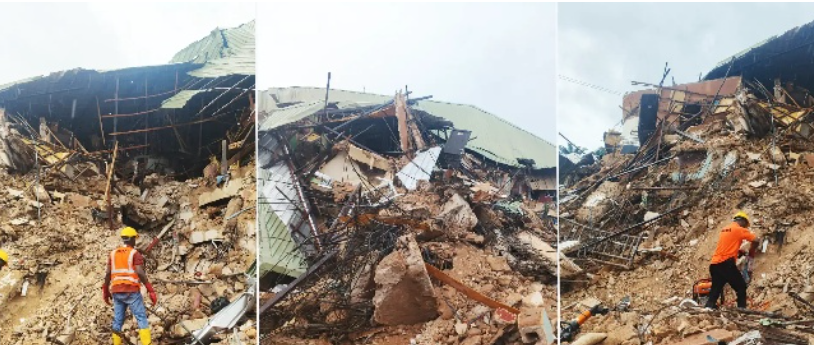
Summary
- A privately owned lodge in Amaokpala collapsed, affecting students and non-students.
- No student died or was trapped in the collapsed building, according to Oko Polytechnic management.
- The incident raises concerns about student accommodation safety in Nigerian polytechnics.
- Educational institutions may be held liable for any harm or damage caused by third-party property collapses affecting students.
What Happened
According to the institution's Public Relations Officer, Dr. Oguegbu Celestine Udoka, no student died or was trapped in the collapsed building.
A privately owned lodge in Amaokpala, a neighboring community to Oko Polytechnic, collapsed, affecting students and non-students who were accommodated there. The incident has raised concerns about student accommodation safety in Nigerian polytechnics. According to the institution's Public Relations Officer, Dr. Oguegbu Celestine Udoka, no student died or was trapped in the collapsed building.
The affected lodge is not part of Oko Polytechnic's official hostel facilities, but rather a separate property that accommodates students and non-students alike.
Legal Context
In Nigeria, educational institutions have a responsibility to ensure the safety and well-being of their students. This includes providing adequate accommodation facilities that meet minimum standards for safety and security. If a third-party property collapse affects students, educational institutions may be held liable for any resulting harm or damage. Lawyers and compliance officers should be aware of this potential liability exposure and take steps to mitigate it.
The Oko Polytechnic management's claim that no student died in the incident may not necessarily absolve them of liability. If it is found that the institution had knowledge of the lodge's safety concerns or failed to take adequate measures to prevent the collapse, they could still be held accountable.
Why It Matters
The Oko Polytechnic hostel collapse highlights the need for Nigerian educational institutions to prioritize student accommodation safety. With many students living in off-campus accommodations, there is a risk of third-party property collapses affecting them. Educational institutions must take proactive steps to ensure that their students are safe and secure, even when they are not on campus.
The incident also underscores the importance of compliance with relevant laws and regulations governing student accommodation safety. Educational institutions that fail to comply may face severe consequences, including liability for any harm or damage caused to students.
Practical Implications
Lawyers and compliance officers should watch for potential liability exposure for educational institutions in case of third-party property collapses, particularly if students are affected.
Source
How does this affect your business?
Get an AI analysis of this article grounded in your jurisdictions, practice areas, and any policy documents you've uploaded to Wansom.