
Plus de vingt mille personnes confrontées au calvaire deau potable au quartier Bloc aéro à Kindu
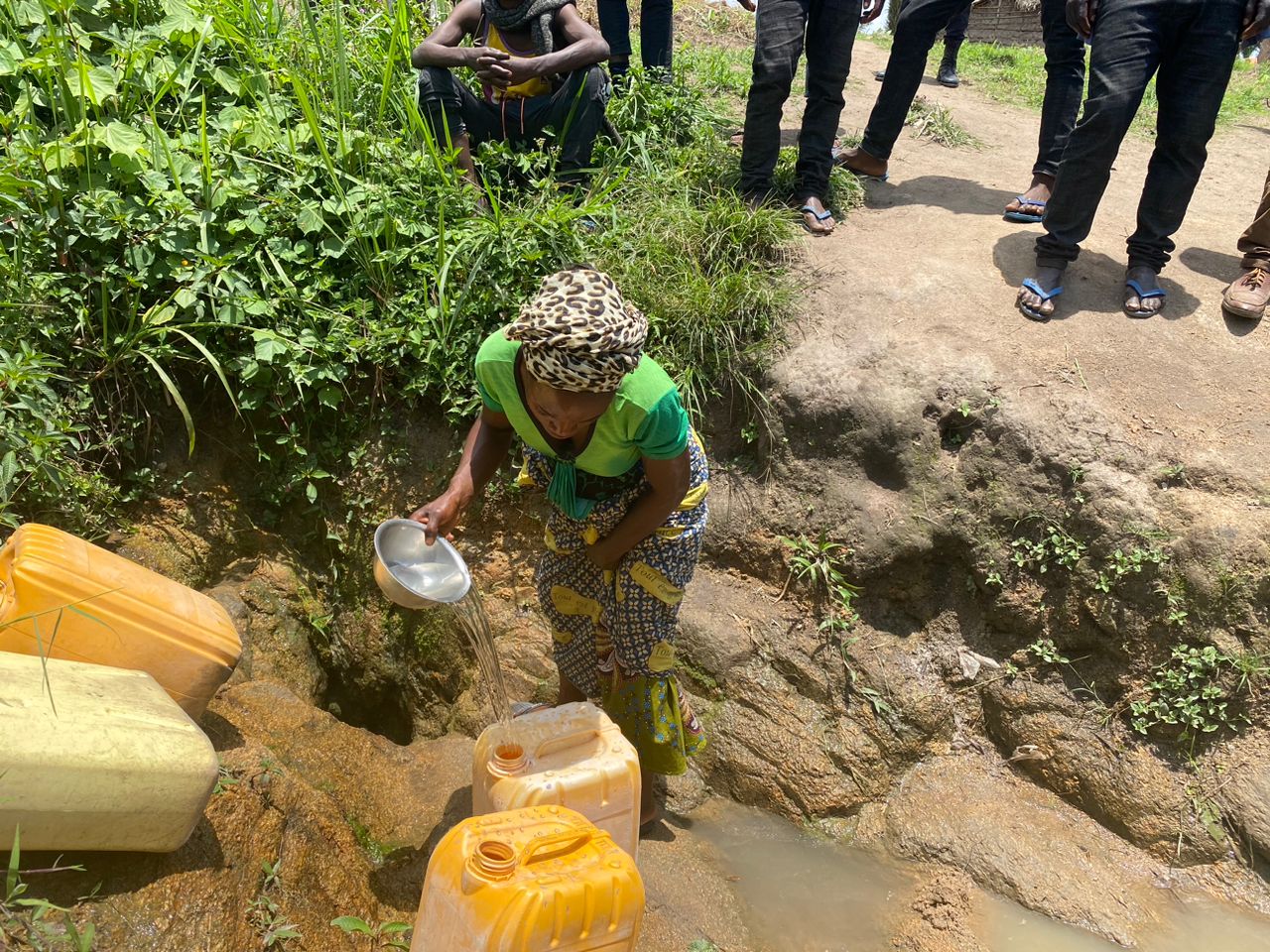
In the Democratic Republic of Congo, over 20,000 people in the Kasuku commune of Kindu (Maniema) are facing a severe water crisis, with no access to clean drinking water or basic public facilities, putting them at risk of waterborne diseases.
This situation has been ongoing for several years, with residents forced to rely on daily water collection and lacking access to healthcare centers and public schools. The authorities and partners have been alerted to the crisis, but it remains unclear what steps will be taken to address this issue.
The relevant legal framework in this case is the Congolese Constitution, which guarantees the right to access clean drinking water and basic sanitation services. Additionally, the Ministry of Health and the National Water Supply Company (SNE) are responsible for ensuring that citizens have access to safe drinking water. However, it appears that these entities have failed to address the crisis in Kasuku.
The key parties involved in this situation include the residents of Kasuku, who are suffering from the lack of basic services, as well as the authorities and partners who have been alerted to the crisis but have yet to take action. Practitioners should monitor this situation closely, as it highlights the need for effective governance and implementation of laws and regulations to protect citizens' rights.
Practitioner takeaway: Attorneys and businesses operating in the Democratic Republic of Congo should be aware of the ongoing water crisis in Kasuku and its potential impact on public health. They should also monitor any developments or actions taken by authorities and partners to address this issue.
How does this affect your business?
Get an AI analysis of this article grounded in your jurisdictions, practice areas, and any policy documents you've uploaded to Wansom.