
Poor Budget Implementation: Why Tinubu won’t appear before National Assembly – Reps Deputy Spokesperson
Abstract
The question of presidential accountability for budget implementation in Nigeria has recently resurfaced, with the Deputy Spokesperson of the House of Representatives asserting that ministers, heads of ministries, departments, and agencies (MDAs), and the Accountant-General are primarily responsible for budget execution and public spending. This article delves into the constitutional and statutory framework governing budget appropriation, implementation, and oversight in Nigeria. It examines the principle of separation of powers, the specific roles of the National Assembly and the Executive, and the legal mechanisms for ensuring fiscal accountability, including the Fiscal Responsibility Act and the Public Procurement Act. The analysis clarifies the scope of legislative oversight and the discretionary nature of presidential appearances before the National Assembly, highlighting the distributed nature of accountability within the executive arm.
Introduction
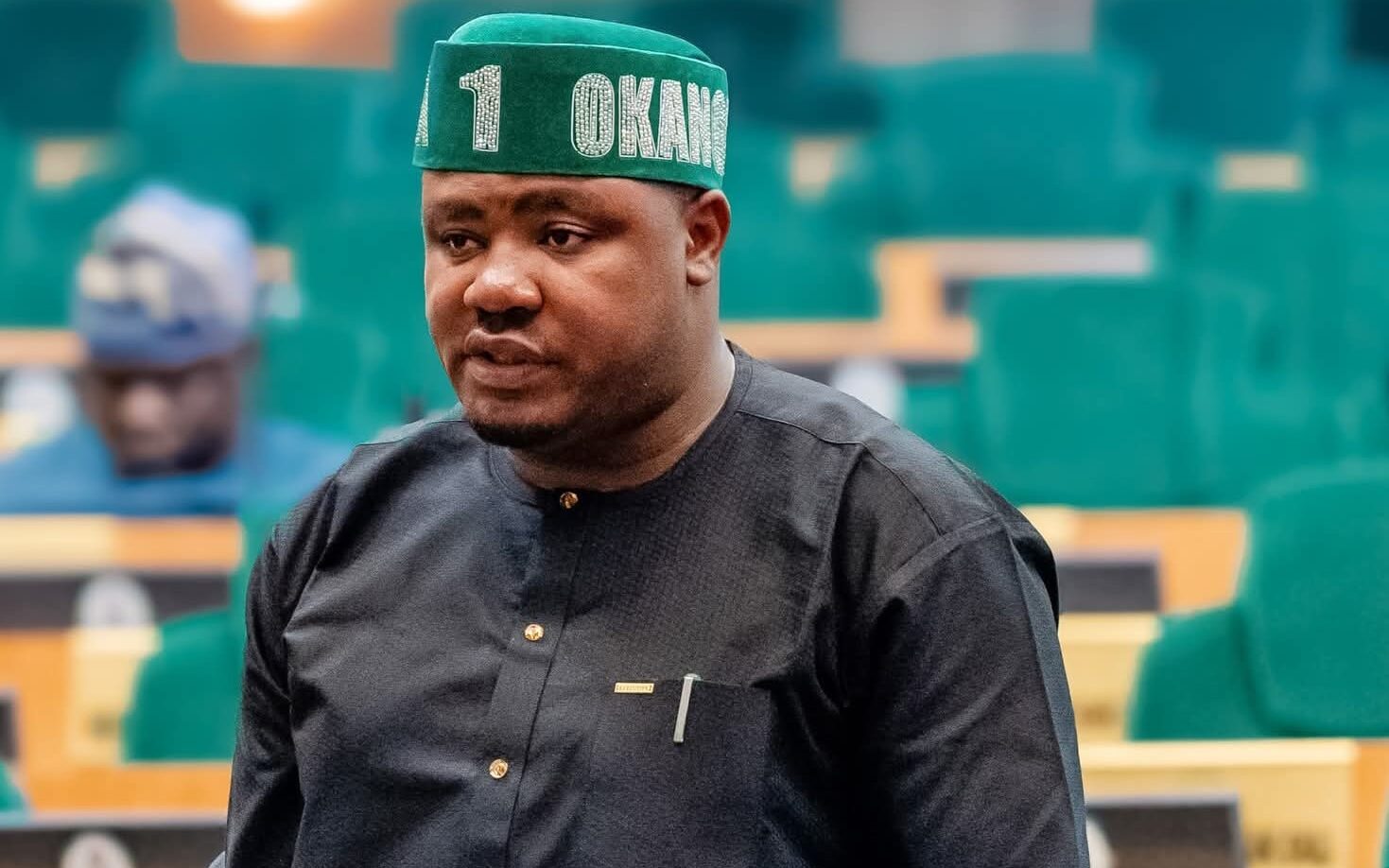
The efficacy of budget implementation remains a perennial concern in Nigeria, often sparking debates about accountability within the federal government. Recently, the Deputy Spokesperson of the House of Representatives, Philip Agbese, articulated a position that has significant implications for the understanding of executive accountability, stating that the President is not primarily responsible for appearing before the National Assembly to account for poor budget implementation. Instead, he posited that ministers, heads of ministries, departments, and agencies (MDAs), and the Accountant-General of the Federation are the direct custodians of budget execution and should account for public spending.
This assertion brings to the fore critical questions regarding the constitutional delineation of powers, the mechanisms of legislative oversight, and the practical enforcement of fiscal responsibility in Nigeria's democratic governance. The statement underscores a nuanced interpretation of accountability, suggesting that while the President bears overall executive responsibility, the operational and direct accountability for budget performance rests with specific officials and institutions within the executive branch. This article will explore the legal and constitutional underpinnings of budget oversight in Nigeria, examining the roles of various government arms and the statutory instruments designed to ensure transparency and accountability in public finance.
Background
Nigeria operates a presidential system of government founded on the principle of separation of powers, as enshrined in Sections 4, 5, and 6 of the Constitution of the Federal Republic of Nigeria, 1999 (as amended). This framework vests legislative powers in the National Assembly, executive powers in the President, and judicial powers in the courts. The National Assembly, comprising the Senate and the House of Representatives, holds the crucial power of appropriation, which is the legal authority to approve government spending.
Sections 80 to 82 of the 1999 Constitution (as amended) govern public finance, mandating that all federal revenues be paid into the Consolidated Revenue Fund and that no money be withdrawn without parliamentary authorization through an Appropriation Act or Supplementary Appropriation Act. The President is constitutionally required to lay estimates of revenue and expenditure before the National Assembly annually. Beyond appropriation, the National Assembly is vested with extensive oversight powers under Sections 88 and 89 of the Constitution, enabling it to investigate any matter within its legislative competence, including the conduct of affairs of any person or authority charged with executing laws or administering appropriated funds. This oversight function is critical for ensuring good governance, transparency, and accountability in the executive arm.
Analysis
The statement by the Reps Deputy Spokesperson aligns with a strict interpretation of the separation of powers and the delegated authority within the executive. While the President is the head of the executive, the day-to-day implementation of the budget and accountability for specific expenditures are typically delegated to ministers, heads of MDAs, and the Accountant-General of the Federation. The Accountant-General, for instance, is the administrative head of the federal treasury, responsible for managing receipts and payments, establishing accounting systems across MDAs, and preparing consolidated financial statements. Permanent Secretaries, as accounting officers, bear ultimate responsibility for ensuring compliance with financial regulations and procurement laws within their respective MDAs.
The National Assembly's oversight powers, as provided in Sections 88 and 89 of the Constitution, empower it to summon any person to give evidence or produce documents during investigations into the disbursement and administration of appropriated moneys. This power is typically exercised through its various committees. However, the constitutional provision regarding the President's appearance before the National Assembly is discretionary. Section 67(1) states that the President *may* attend any joint meeting or meeting of either House to deliver an address on national affairs, including fiscal measures, or to make a statement on government policy. This wording suggests an invitation, not a compulsion, reflecting the principle of executive independence within the separation of powers. Judicial pronouncements, such as in *Tony Momoh v. Senate of the National Assembly*, have also established limits to legislative investigative powers, clarifying that the legislature cannot usurp the general investigative functions of the executive or the adjudicative functions of the judiciary.
Further legal frameworks reinforce the accountability of MDAs. The Fiscal Responsibility Act (FRA) 2007 aims to ensure prudent management of national resources, long-term macroeconomic stability, and greater accountability and transparency in fiscal operations. It mandates consistent updates, such as quarterly and annual reporting on budget execution across MDAs. Similarly, the Public Procurement Act (PPA) 2007 establishes a legal framework for transparent, competitive, and cost-effective public procurement, with the Bureau of Public Procurement (BPP) as the regulatory body. The PPA holds accounting officers responsible for compliance, and the BPP has introduced sanctions for non-compliance. Despite these robust legal provisions, challenges such as executive dominance, weak legislative oversight, and non-adherence to FRA provisions persist, often leading to poor budget implementation.
Therefore, while the President sets the overall policy direction and presents the budget, the operational accountability for its implementation, including adherence to fiscal rules and procurement processes, is distributed among the various officials and agencies charged with executing specific budgetary allocations. The National Assembly's role is to scrutinize these officials and agencies, rather than directly summoning the President for routine budget implementation queries, unless specific constitutional grounds for such an appearance are met.
Conclusion
The legal landscape in Nigeria clearly delineates roles and responsibilities concerning budget implementation and accountability. Practitioners must appreciate that while the President is the Chief Executive, the constitutional design and relevant statutes place direct accountability for public spending and budget execution on ministers, heads of MDAs, and the Accountant-General of the Federation. The National Assembly's robust oversight powers, exercised primarily through its committees, are crucial for holding these officials to account, backed by instruments like the Fiscal Responsibility Act and the Public Procurement Act.
Legal professionals advising government entities or engaged in public interest litigation should focus on the specific mandates and accountability mechanisms applicable to MDAs and their accounting officers. The discretionary nature of presidential appearances before the National Assembly, as outlined in Section 67(1) of the Constitution, means that legislative efforts to compel such appearances for routine budget performance reviews may face constitutional challenges. Moving forward, strengthening institutional capacity for oversight, ensuring strict adherence to existing fiscal and procurement laws, and fostering a culture of transparency within MDAs will be paramount to improving budget implementation and enhancing public sector accountability in Nigeria. Practitioners should closely monitor legislative efforts to amend constitutional provisions, such as the proposed mandate for an annual presidential address on the state of the nation, as these could alter the dynamics of executive-legislative engagement on fiscal matters.
Citations
- 1.Constitution of the Federal Republic of Nigeria, 1999 (as amended)
- 2.Fiscal Responsibility Act 2007
- 3.Public Procurement Act 2007
- 4.Tony Momoh v. Senate of the National Assembly (1982) NCLR 105
How does this affect your business?
Get an AI analysis of this article grounded in your jurisdictions, practice areas, and any policy documents you've uploaded to Wansom.