
Post-abortion care guidelines absence clips nurses’ wings
Abstract
Malawi's healthcare system is grappling with a critical regulatory vacuum concerning post-abortion care, particularly for survivors of sexual violence. Despite the Gender Equality Act of 2013 providing a framework for sexual and reproductive health rights, and a landmark High Court ruling in October 2025 affirming minors' right to safe abortion in cases of defilement, the absence of clear, updated clinical guidelines leaves frontline nurses in a precarious position. This regulatory gap fosters uncertainty and fear of prosecution among medical professionals, hindering their ability to provide legally permissible and essential services. The High Court specifically directed the Ministry of Health to amend the 2020 Post-Abortion Care Guidelines within 180 days to address these ambiguities, yet delays persist, perpetuating a disconnect between legal provisions and practical implementation, with severe implications for women's and girls' health and rights.
Introduction
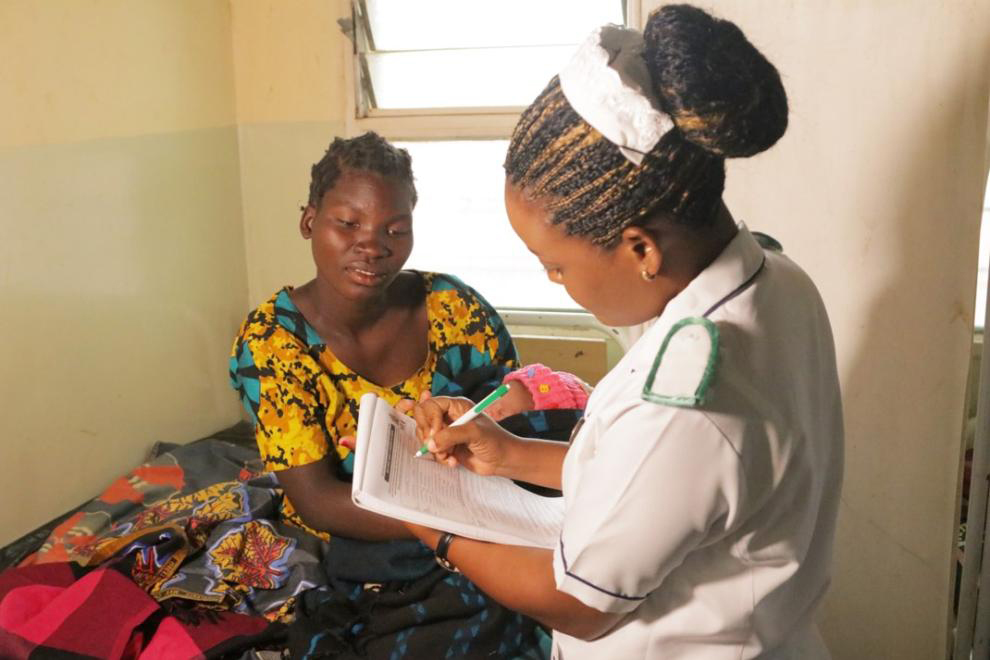
The provision of post-abortion care in Malawi is currently at a critical juncture, marked by a significant disconnect between progressive legal frameworks and the practical, implementable guidelines necessary for healthcare professionals. Frontline nurses, who are often the first point of contact for vulnerable patients, find their ability to provide essential services constrained by this regulatory ambiguity. The dilemma faced by a nurse, as highlighted in recent reports, perfectly encapsulates this challenge: while the Gender Equality Act ostensibly permits certain interventions, the absence of clear, official directives creates a chilling effect, preventing medical professionals from acting even when legally justified.
This situation is not merely an administrative oversight; it represents a profound barrier to accessing critical healthcare services, particularly for child survivors of sexual violence. The lack of explicit guidelines following legislative and judicial developments places nurses in an untenable ethical and legal position, forcing them to choose between their professional duty of care and the fear of prosecution under a restrictive Penal Code. This article will delve into the legal landscape governing abortion and post-abortion care in Malawi, analyze the impact of the High Court's recent pronouncements, and discuss the urgent need for the Ministry of Health to operationalize these legal gains through comprehensive and clear clinical guidelines.
The core issue lies in the tension between Malawi's historical abortion laws and its contemporary human rights commitments, exacerbated by a delay in translating legal principles into actionable medical protocols. This article argues that without the swift finalization and dissemination of updated post-abortion care guidelines, the rights affirmed by the Gender Equality Act and the High Court will remain largely theoretical, continuing to endanger the lives and health of women and girls across the nation.
Background
Malawi's legal framework concerning abortion has historically been highly restrictive, primarily governed by the Penal Code (Cap. 7:01), which dates back to 1930. This colonial-era legislation permits abortion only when it is deemed necessary to save the life of the pregnant woman, with severe penalties, including imprisonment, for those who procure or perform abortions outside this narrow exception. This restrictive stance has contributed significantly to high rates of unsafe abortions and associated maternal mortality, which remains a pressing public health concern in the country.
In recent decades, Malawi has made strides towards strengthening human rights protections, particularly concerning women and children. The adoption of the Gender Equality Act No. 3 of 2013 (implemented in 2014) was a pivotal moment, as it introduced comprehensive provisions recognizing sexual and reproductive health and rights. Sections 19 and 20 of this Act specifically guarantee the right to sexual and reproductive health services. Furthermore, Malawi ratified the African Charter on Human and Peoples' Rights on the Rights of Women in Africa, commonly known as the Maputo Protocol, in 2005. Article 14(2)(c) of this Protocol mandates state parties to authorize medical abortion in cases of sexual assault, rape, incest, and where continued pregnancy endangers the mental or physical health of the mother or the life of the mother or foetus. Despite these progressive legal and international commitments, domestic legislation has not fully aligned, leaving a gap between rights recognized in principle and their practical implementation.
This legislative landscape has been further complicated by the ongoing debate surrounding the Termination of Pregnancy Bill, first proposed in 2015 by the Malawi Law Commission. This Bill aims to liberalize abortion laws to include circumstances such as rape, incest, severe fetal malformation, and threats to the woman's physical or mental health. However, the Bill has faced significant political and religious opposition, leading to its repeated stalling in Parliament and perpetuating the reliance on the outdated Penal Code for most abortion-related decisions.
Analysis
The tension between Malawi's restrictive Penal Code and the broader rights enshrined in the Gender Equality Act and international instruments like the Maputo Protocol has created a complex and often contradictory environment for healthcare providers. This was starkly illustrated by the landmark High Court ruling in *AC (a minor) v The Attorney General and Others* [2025] Civil Cause No. 162 of 2023. In this pivotal case, decided on October 28, 2025, the High Court affirmed that a child survivor of sexual violence has the right to access safe abortion under the Gender Equality Act. Crucially, the Court expanded the interpretation of the Penal Code's 'life-saving' exception to include risks to both physical and mental health, particularly for minors whose pregnancies result from sexual violence.
Despite the existence of Malawi's National Post Abortion Care Standards and Guidelines (2020–2025), the High Court explicitly noted their inadequacy, finding them unclear on how health workers should manage cases involving child survivors of sexual violence. This lack of clarity directly contributes to the dilemma faced by nurses and other clinicians. The Penal Code's severe penalties for unlawful abortion, including up to 14 years imprisonment, instill a profound fear of prosecution among healthcare providers. Without explicit, government-sanctioned guidelines that align with the High Court's expanded interpretation and the Gender Equality Act, clinicians often err on the side of caution, broadly denying legal terminations and even delaying life-saving post-abortion care, as they cannot distinguish between a criminal act and a protected health service.
The High Court's judgment in *AC (a minor)* was not merely declaratory; it included a direct order to the Ministry of Health to review and amend the 2020 Post-Abortion Care Guidelines within 180 days. This directive aimed to explicitly recognize the right of child survivors of sexual violence to seek abortion and to provide clear directions for health workers. The Court also mandated training for designated healthcare providers and the establishment of accountability measures. However, reports indicate that implementation delays persist, transforming a landmark legal victory into a lingering systemic crisis. This delay undermines the efficacy of the judicial pronouncement and perpetuates the vulnerability of women and girls, particularly adolescents, who are disproportionately affected by unintended pregnancies resulting from sexual violence.
Comparative analysis with other jurisdictions that have ratified the Maputo Protocol reveals that while many African nations face similar challenges in domesticating international human rights instruments, the explicit judicial directive in Malawi offers a unique opportunity for reform. The continued reliance on oral interpretations or individual discretion, rather than clear written protocols, creates an environment ripe for human rights violations and medical negligence. The current situation highlights a critical governance failure, where the executive arm (Ministry of Health) has yet to fully implement the directives of the judiciary, thereby failing to uphold the rights enshrined in national legislation.
Conclusion
The ongoing absence of clear, comprehensive post-abortion care guidelines in Malawi, despite enabling legislation and a landmark High Court ruling, presents a significant challenge for legal practitioners and healthcare providers alike. The *AC (a minor) v The Attorney General and Others* judgment unequivocally affirmed the rights of child survivors of sexual violence to safe abortion and mandated the Ministry of Health to revise the 2020 Post-Abortion Care Guidelines. However, the persistent delay in implementing these revised guidelines leaves nurses and other clinicians in a precarious legal and ethical quandary, effectively clipping their wings and preventing them from providing legally permissible and medically necessary care.
For legal practitioners, this situation underscores the urgent need for advocacy and potential litigation to compel the Ministry of Health to comply with the High Court's directive. Attorneys specializing in human rights, health law, and public interest litigation have a clear mandate to challenge the state's failure to provide the necessary regulatory framework, ensuring that the rights enshrined in the Gender Equality Act and affirmed by the judiciary are realized in practice. Healthcare institutions and individual providers should seek legal counsel to navigate the current ambiguities and understand their professional duties and protections. The continued inaction not only undermines the rule of law but also perpetuates a public health crisis, with vulnerable women and girls bearing the brunt of systemic failures. It is imperative that all stakeholders press for the immediate finalization and dissemination of these crucial guidelines to bridge the gap between law and practice, safeguarding the health and rights of Malawian citizens.
Citations
- 1.Penal Code (Cap. 7:01)
- 2.Gender Equality Act No. 3 of 2013
- 3.AC (a minor) v The Attorney General and Others [2025] Civil Cause No. 162 of 2023 (High Court of Malawi, Civil Division)
- 4.Malawi's National Post Abortion Care Standards and Guidelines (2020–2025)
- 5.African Charter on Human and Peoples' Rights on the Rights of Women in Africa (Maputo Protocol)