
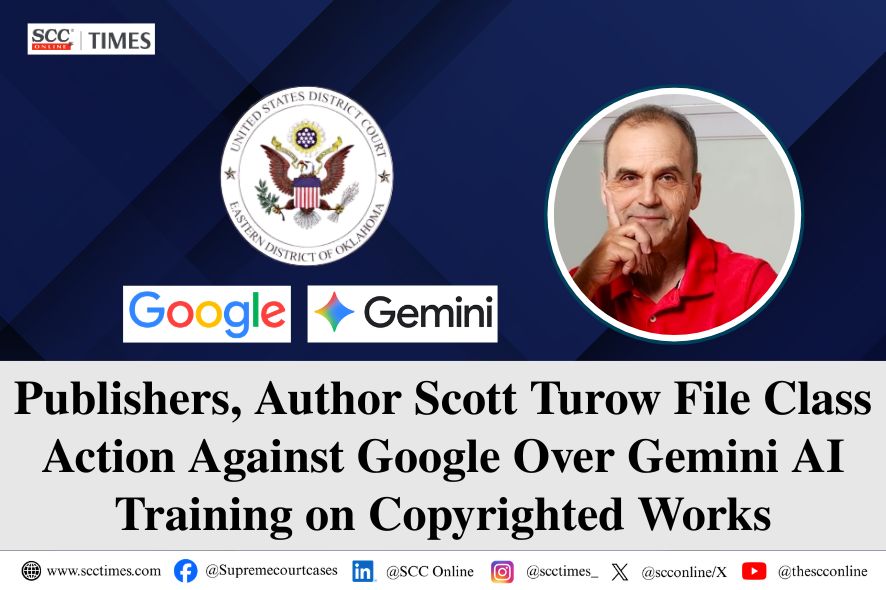
Publishers, Author Scott Turow File Class Action Against Google Over Gemini AI Training on Copyrighted Works
Abstract
Publishers and author Scott Turow have filed a class action lawsuit against Google in the state of Indiana, alleging that the tech giant has unlawfully repurposed copyrighted works to develop its Gemini AI models. The complaint centers on Google's use of content made available through limited-use programs and other sources, which the plaintiffs claim was used without permission or proper compensation. This development raises significant questions about the intersection of copyright law and emerging technologies like artificial intelligence.
Introduction
The lawsuit filed by publishers and author Scott Turow against Google over its Gemini AI training on copyrighted works has sparked intense interest in the tech industry and beyond. At its core, this case highlights a critical issue: how do we balance the rights of creators with the needs of emerging technologies? As AI continues to transform industries and revolutionize the way we live and work, it is imperative that we address the complex legal questions surrounding its development and use.
Background
The complaint filed against Google centers on the company's alleged use of copyrighted materials in developing its Gemini AI models. While Google has not publicly disclosed the extent to which it relies on copyrighted works for AI training, the plaintiffs' allegations suggest that the tech giant has failed to obtain proper permission or compensation from creators. This raises important questions about the scope of copyright protection and whether it extends to emerging technologies like AI.
Analysis
In addition to the legal implications, this case has significant practical consequences for creators, publishers, and AI developers alike. If the plaintiffs are successful in their claims, it could lead to a reevaluation of how companies like Google approach AI development and potentially result in changes to existing laws and regulations. Conversely, if the court rules in favor of Google, it may embolden other companies to follow suit, further eroding the rights of creators.
Conclusion
For practicing attorneys and legal professionals, this case serves as a reminder of the importance of staying abreast of emerging trends and developments in technology law. As the use of AI continues to grow and evolve, it is essential that we remain vigilant in protecting the rights of creators while also promoting innovation and progress.
How does this affect your business?
Get an AI analysis of this article grounded in your jurisdictions, practice areas, and any policy documents you've uploaded to Wansom.