
Rehoboth sibling murderer Van Wyk sentenced to life imprisonment
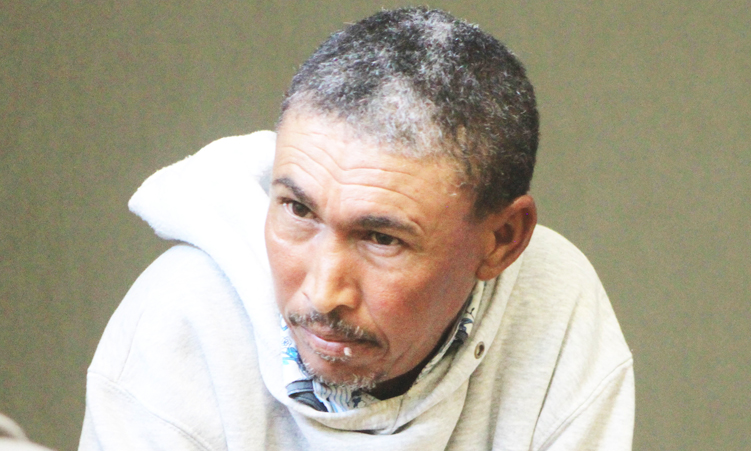
Abstract
The Namibian High Court recently handed down a life imprisonment sentence to Riaan van Wyk for the murder of his brother, Frederik van Wyk, and attempted murder of another sibling. Judge Dinnah Usiku highlighted the accused's history of violent crimes, including a previous culpable homicide conviction involving another brother, as a significant aggravating factor. This sentencing underscores the Namibian judiciary's firm stance on repeat violent offenders, particularly in cases of intra-familial violence, and reiterates the principles of deterrence, retribution, and the protection of society. The judgment aligns with established Namibian sentencing jurisprudence, which permits life imprisonment for severe offenses, subject to constitutional safeguards ensuring a realistic prospect of parole after a minimum term.
Introduction
The recent sentencing of Riaan van Wyk to life imprisonment by the Namibian High Court for the murder of his brother and the attempted murder of another sibling marks a significant development in the country's criminal justice landscape. Presiding Judge Dinnah Usiku delivered the severe sentence, explicitly categorising Van Wyk as a danger to society, a conclusion heavily influenced by his history of violent offenses, including prior convictions for culpable homicide and attempted murder, both involving family members. This case, heard at the High Court in Windhoek Correctional Facility, brings into sharp focus the judiciary's approach to repeat offenders and the application of maximum penalties for grave crimes, particularly those that shatter the sanctity of familial bonds.
This article aims to dissect the legal underpinnings of this life sentence, exploring the relevant statutory framework, established sentencing principles, and pertinent Namibian case law. For legal practitioners, understanding the court's rationale in imposing such a stringent penalty is crucial, as it illuminates the factors that weigh heavily in judicial discretion and the evolving interpretation of constitutional rights within the context of severe punishment. The judgment serves as a potent reminder of the courts' commitment to public protection and the pursuit of justice in the face of persistent violent criminality.
The thesis of this article is that the life imprisonment sentence in *S v Van Wyk* is a direct application of Namibia's robust sentencing principles, balancing the seriousness of the crime, the offender's history, and societal interests, while adhering to constitutional mandates regarding the nature of imprisonment.
Background
Namibia's criminal justice system, largely inherited from South Africa, operates under the Criminal Procedure Act 51 of 1977, which governs all aspects from arrest to sentencing. Following independence in 1990, Namibia abolished the death penalty, as enshrined in Article 6 of its Constitution, making life imprisonment the most severe custodial sentence available. The constitutionality of life imprisonment itself has been affirmed by the Supreme Court, notably in *S v Tcoeib* 1999 NR 24 (SC), which held that such a sentence is not equivalent to the death penalty and is a competent punishment for extreme crimes, provided it offers the prisoner a realistic hope of release.
Sentencing in Namibia is guided by the well-established 'triad' of sentencing, originating from *S v Zinn* 1969 (2) SA 537 (A) and adopted by Namibian courts. This triad requires a court to consider three primary factors: the crime, the offender, and the interests of society. The 'crime' encompasses its nature, gravity, and prevalence; the 'offender' refers to personal circumstances, previous convictions, and prospects of rehabilitation; and 'society's interests' include deterrence (both general and specific), retribution, and prevention. The Correctional Service Act 9 of 2012, along with its regulations, further stipulates that a prisoner sentenced to life imprisonment must serve a minimum of 25 years before becoming eligible for consideration for parole or probation.
Recent Supreme Court jurisprudence, such as *S v Gaingob* 2018 (1) NR 211 (SC), has also clarified that excessively long determinate sentences that effectively negate any realistic prospect of release may be deemed unconstitutional, infringing on a prisoner's right to human dignity under Article 8 of the Namibian Constitution. This emphasizes that while severe sentences are permissible, they must still align with fundamental human rights principles, ensuring that even life sentences are not devoid of the possibility of eventual reintegration into society, albeit after a substantial period of incarceration.
Analysis
In the *Van Wyk* case, Judge Usiku's decision to impose life imprisonment was heavily influenced by the confluence of the 'triad' factors, with particular emphasis on the nature of the crime and the offender's history. Riaan van Wyk was convicted of murder with direct intent, having stabbed his brother Frederik van Wyk in the heart, and also of attempted murder of another brother. The direct intent to kill, as found by the court, elevates the culpability and seriousness of the offense, placing it at the higher end of the murder spectrum.
A critical aggravating factor was Van Wyk's extensive criminal record for violent offenses, specifically those involving family members. The court was informed that he had previously been convicted of culpable homicide for killing another brother with a knife in 2012, for which he received a seven-year sentence, and an attempted murder conviction in 2000, also involving a relative. Judge Usiku explicitly stated that Van Wyk was a "danger to society" and appeared not to have been deterred by his previous sentences. This demonstrates the court's application of the preventative and retributive aims of sentencing, concluding that society required protection from an offender with a demonstrated propensity for extreme violence within his own family.
The imposition of life imprisonment in this context aligns with previous Namibian High and Supreme Court decisions where such sentences were deemed appropriate for particularly brutal or repeated violent crimes. For instance, cases involving multiple murders or exceptionally cruel circumstances have resulted in life sentences. The court's finding that Van Wyk's claim of self-defence was false further underscored the gravity of his actions. While the family of the deceased reportedly forgave Van Wyk, the court emphasized that it would be "unfair for the accused not to be sentenced to a long custodial sentence and to continue to roam around the streets" given the seriousness of his actions and his history.
This case also implicitly navigates the constitutional boundaries of sentencing. While the Supreme Court in *S v Gaingob* cautioned against determinate sentences so long as to be effectively unconstitutional, life imprisonment, as confirmed in *S v Tcoeib*, remains a constitutional option, provided the 25-year parole eligibility period under the Correctional Service Act 9 of 2012 is observed. The life sentence here, therefore, serves as a clear message that while the death penalty is abolished, the most heinous crimes, especially those committed by repeat violent offenders, will be met with the most severe form of imprisonment available, balancing societal protection with the constitutional requirement for a possibility of release.
Conclusion
The life imprisonment sentence handed down to Riaan van Wyk by Judge Dinnah Usiku is a stark affirmation of the Namibian judiciary's commitment to addressing severe violent crime, particularly repeat offenses within a domestic context. For legal practitioners, this case serves as a critical reminder of the factors that can lead to the imposition of the maximum available sentence for murder. The accused's history of violent convictions, especially those involving family members, was a paramount consideration, demonstrating the court's emphasis on specific deterrence, retribution, and the imperative to protect society from individuals deemed a persistent danger.
Practitioners in criminal law must meticulously prepare arguments concerning an offender's personal circumstances, prospects for rehabilitation, and the broader societal impact of the crime, especially when dealing with repeat offenders. The *Van Wyk* judgment underscores that while the Namibian Constitution prohibits cruel and unusual punishment, life imprisonment, with its statutory parole eligibility after 25 years, remains a potent and constitutionally sound tool for the most egregious offenses. Lawyers should advise clients facing serious violent charges about the severe consequences, particularly where there is a history of similar conduct, and the court's unwavering focus on the protection of the community. This case reinforces the principle that judicial discretion, while broad, is exercised within a framework that prioritizes public safety and the condemnation of extreme violence.
Citations
- 1.Criminal Procedure Act 51 of 1977
- 2.Correctional Service Act 9 of 2012
- 3.Namibian Constitution, Article 6
- 4.Namibian Constitution, Article 8
- 5.S v Gaingob 2018 (1) NR 211 (SC)
- 6.S v Tcoeib 1999 NR 24 (SC)
- 7.S v Zinn 1969 (2) SA 537 (A)
How does this affect your business?
Get an AI analysis of this article grounded in your jurisdictions, practice areas, and any policy documents you've uploaded to Wansom.