
Reps summon service chiefs, Finance minister over security spending
Abstract
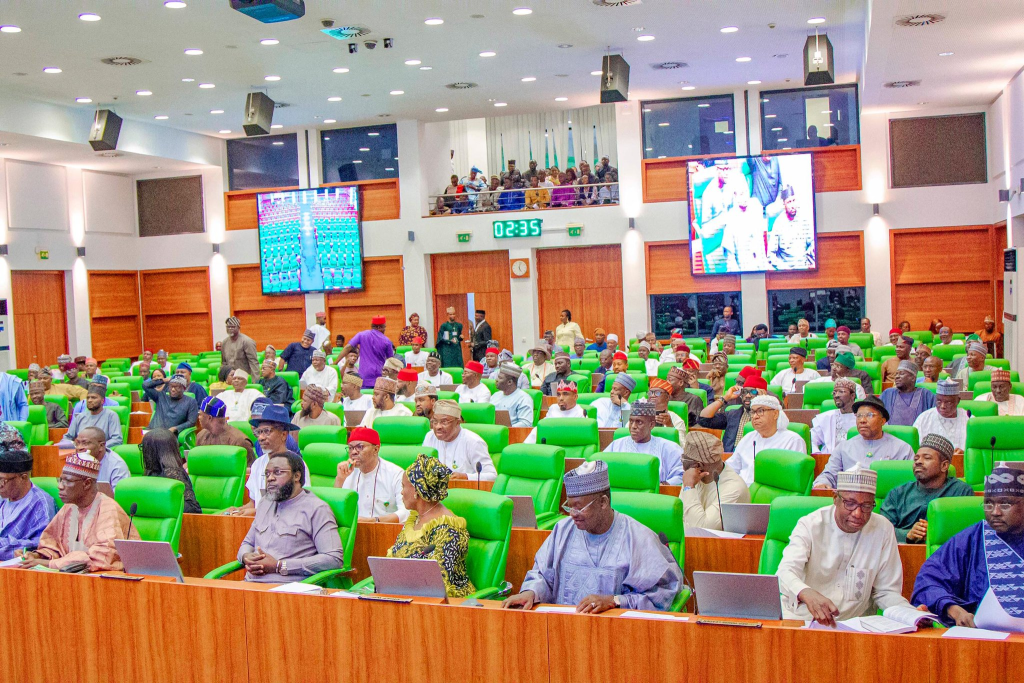
The Nigerian House of Representatives recently summoned Service Chiefs and the Minister of Finance and Coordinating Minister of the Economy to account for funds allocated to the military. This move underscores the legislature's constitutional mandate of oversight and accountability over public expenditure, particularly in the sensitive security sector. The summons highlights the ongoing efforts to ensure transparency and prudent management of national resources, especially given the substantial budgetary allocations to security and the prevailing challenges. For legal practitioners, this development reinforces the National Assembly's investigative powers under the 1999 Constitution and the potential ramifications of non-compliance, emphasizing the critical role of legislative checks and balances in Nigeria's democratic governance.
Introduction
This development is not merely a procedural step but a critical assertion of parliamentary oversight, a cornerstone of democratic governance. It comes amidst persistent concerns regarding the effectiveness of security spending in addressing Nigeria's multifaceted security challenges. For legal professionals, this event necessitates a closer examination of the constitutional and statutory frameworks empowering the National Assembly to conduct such inquiries, the obligations of summoned officials, and the broader implications for executive-legislative relations and public finance management in Nigeria.
Background
The appropriation process itself is governed by Sections 80 to 84 of the Constitution. These sections establish a framework where the President lays estimates of revenue and expenditure before the National Assembly, which then considers and authorizes expenditure through an Appropriation Act. The National Assembly possesses the power to alter these budget estimates, a point that has historically generated friction between the executive and legislative arms. Furthermore, the Fiscal Responsibility Act, 2007, and the Public Procurement Act, 2007, provide additional statutory frameworks aimed at ensuring prudent management of national resources, transparency, and accountability in fiscal operations and public procurement processes, respectively.
Analysis
The legal implications of non-compliance for the summoned officials are significant. While Section 308 of the Constitution grants immunity to the President, Vice President, Governor, and Deputy Governor from civil or criminal proceedings and court processes during their tenure, this immunity does not extend to other public officers, including ministers and service chiefs, in the context of legislative summons. Failure to appear or provide requested information without a valid excuse could lead to the invocation of the National Assembly's powers to compel attendance and impose penalties, as outlined in Section 89. This underscores the imperative for all government officials to respect and comply with legitimate legislative directives.
Conclusion
Practitioners should advise clients within government agencies on the imperative of meticulous record-keeping and full compliance with legislative requests to avoid legal sanctions. This development also signals a potential for increased legislative activism in holding the executive accountable, which could lead to more robust oversight mechanisms and a stronger emphasis on good governance. The outcomes of this summons will undoubtedly set precedents for future executive-legislative engagements and further shape the landscape of accountability in Nigeria.
Citations
- 1.Constitution of the Federal Republic of Nigeria, 1999 (as amended)
- 2.Fiscal Responsibility Act, 2007
- 3.Public Procurement Act, 2007
How does this affect your business?
Get an AI analysis of this article grounded in your jurisdictions, practice areas, and any policy documents you've uploaded to Wansom.