
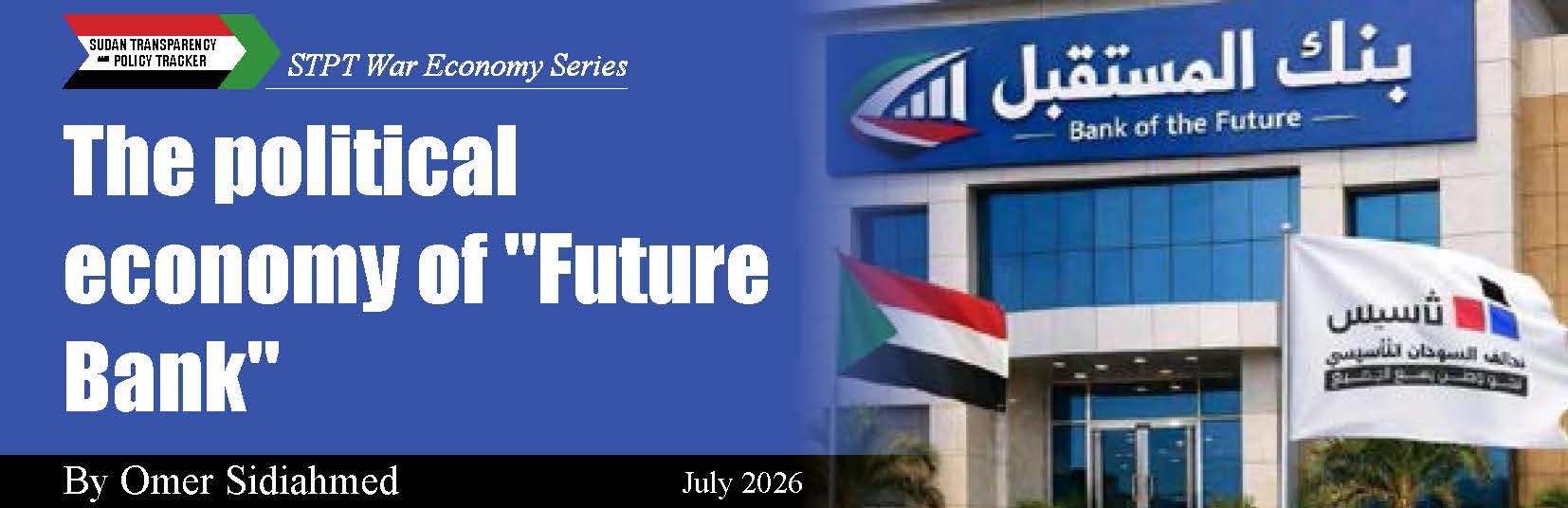
RSF-Aligned Future Bank Unlicensed in Sudan, Exposes Clients to AML Risks
TL;DR
- Future Bank, an RSF-aligned entity, has been operating as an unlicensed money-transfer platform in Sudan.
- The existence of such platforms raises concerns about compliance with anti-money laundering (AML) regulations.
- Lawyers and compliance officers should closely monitor these platforms to ensure adherence to relevant laws and regulations.
What Happened
The presence of unlicensed money-transfer platforms like Future Bank in Sudan has significant implications for the country's financial stability and security.
Sudan's financial system has been severely impacted by the ongoing civil war, leading to a fragmentation of its banking and financial services. One consequence of this fragmentation is the emergence of unlicensed money-transfer platforms, which operate outside the regulatory framework. Future Bank, an entity aligned with the RSF (Rapid Support Forces), is one such example. According to available information, Future Bank has been operating as an unlicensed money-transfer platform in Sudan, potentially exposing it and its clients to significant risks related to anti-money laundering regulations.
Legal Context
In the context of Sudan's financial sector, the existence of unlicensed money-transfer platforms like Future Bank raises important questions about compliance with anti-money laundering (AML) regulations. The RSF-aligned entity is likely subject to Sudanese laws and regulations governing financial services, including those related to AML. However, as an unlicensed platform, it may be operating outside the scope of these regulations, potentially putting itself and its clients at risk of non-compliance. This situation highlights the need for lawyers and compliance officers to closely monitor such platforms and their activities to ensure adherence to relevant laws and regulations.
Why It Matters
The presence of unlicensed money-transfer platforms like Future Bank in Sudan has significant implications for the country's financial stability and security. These platforms often lack proper oversight, increasing the risk of illicit activities such as money laundering and terrorist financing. Furthermore, their operation outside the regulatory framework can undermine confidence in the formal financial system, potentially leading to further fragmentation and instability. As a result, it is essential for authorities, lawyers, and compliance officers to take proactive measures to address this issue and ensure that all financial services providers operate within the bounds of relevant laws and regulations.
Practical Implications
Lawyers and compliance officers should watch for potential exposure to anti-money laundering regulations due to the existence of an unlicensed money-transfer platform, RSF-aligned 'Future Bank', in Sudan.
Source
How does this affect your business?
Get an AI analysis of this article grounded in your jurisdictions, practice areas, and any policy documents you've uploaded to Wansom.