
Ruto welcomes report on Kenya’s future beyond Vision 2030
Abstract
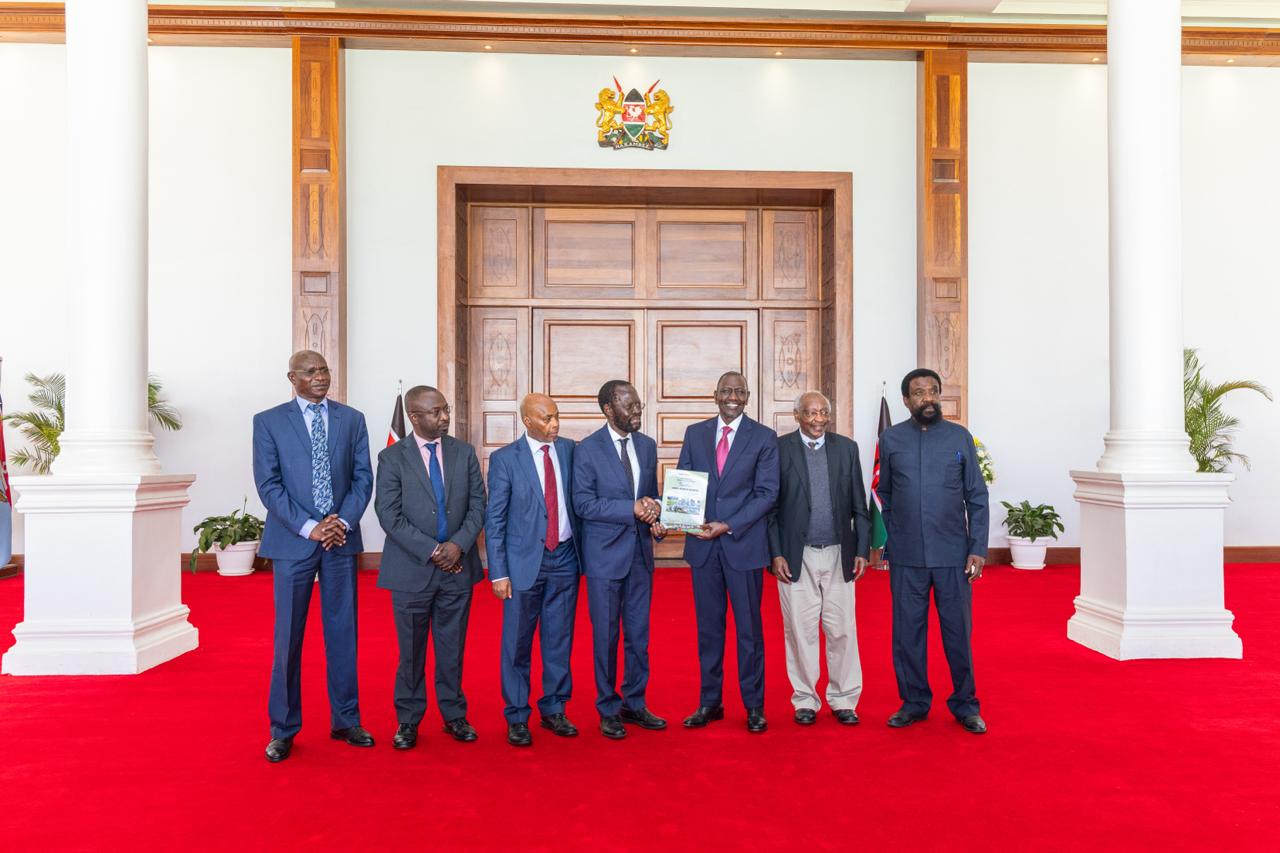
President William Ruto has welcomed a report proposing long-term national transformation for Kenya, marking a potential shift from the current Vision 2030 blueprint. The report aims to lay the foundation for its successor, which has guided national planning and economic policy since 2008. This development may signal a significant change in Kenya's national development strategy, with implications for various stakeholders.
Introduction
The Kenyan government is poised to consider a new vision for the country's future, as President William Ruto has welcomed a report outlining proposals for long-term national transformation. The report, which seeks to build upon the existing Vision 2030 framework, may signal a significant shift in Kenya's national development strategy. This development is likely to have far-reaching implications for various stakeholders, including policymakers, businesses, and civil society organizations.
Background
Vision 2030 has been the cornerstone of Kenya's national planning and economic policy since its inception in 2008. The framework aimed to transform Kenya into a newly industrializing, economically medium-income country by 2030. However, with Vision 2030 set to expire, there is growing interest in developing a new vision for the country's future. This report on proposals for long-term national transformation may be seen as an attempt to fill this gap and provide a foundation for Kenya's next development strategy.
Analysis
The significance of this development lies in its potential to reshape Kenya's national development strategy. The report's proposals are likely to have far-reaching implications for various stakeholders, including policymakers, businesses, and civil society organizations. While the details of the report are not available, President Ruto's welcome suggests that the government is open to considering new ideas and perspectives on Kenya's future. This may signal a shift towards more inclusive and participatory decision-making processes in national development planning.
Conclusion
The potential implications of this development are significant, and it remains to be seen how the report's proposals will shape Kenya's next development strategy. As policymakers and stakeholders engage with the report's ideas, it is essential to consider the long-term consequences of any decisions made. With Vision 2030 set to expire, there is a pressing need for a new vision that addresses the country's evolving needs and challenges.
How does this affect your business?
Get an AI analysis of this article grounded in your jurisdictions, practice areas, and any policy documents you've uploaded to Wansom.