
Rwanda Mines, Petroleum and Gas Board (RMB) Regulatory Oversight
Abstract
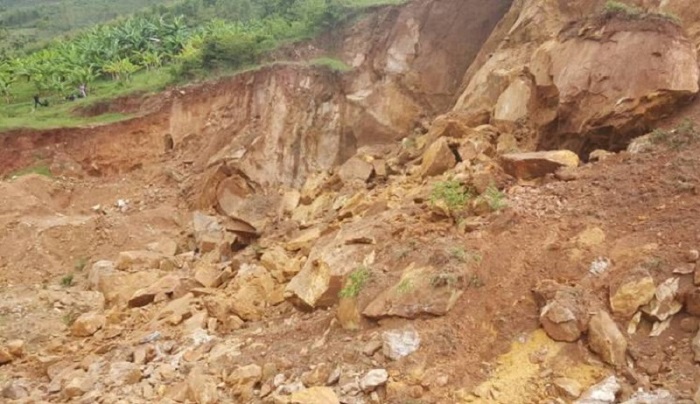
A recent coltan mine collapse in Rwanda's Western Province, resulting in four fatalities, highlights the persistent dangers of illegal mining within licensed concessions. This incident underscores the robust legal framework in Rwanda, particularly the recently enacted Law No 072/2024 on mining and quarry operations, which significantly stiffens penalties for unlicensed activities. The article examines the criminal liabilities faced by illegal miners and those who abet them, as well as the complex duty of care owed by licensed concession holders to trespassers. It delves into the regulatory oversight by the Rwanda Mines, Petroleum and Gas Board (RMB) regarding mine safety and the broader implications for responsible mining practices and community engagement in a sector vital to Rwanda's economy.
Introduction
The tragic collapse of a coltan mine in Rwanda's Western Province, which claimed the lives of four individuals allegedly engaged in illegal mineral extraction, brings into sharp focus the critical challenges facing the nation's mining sector. This incident, occurring within a licensed mining concession, is a stark reminder of the inherent dangers associated with unregulated mining activities and the complex legal landscape governing mineral resources in Rwanda. It necessitates a closer examination of the legal responsibilities of both those who illegally exploit minerals and the licensed entities whose concessions become sites of such perilous undertakings.
Rwanda, a significant global producer of minerals like coltan, has progressively strengthened its legal and regulatory framework to professionalize the sector, enhance safety, and combat illicit mining. The recent promulgation of Law No 072/2024 on mining and quarry operations, which replaced earlier legislation, signifies the government's intensified commitment to these objectives through stricter penalties and enhanced oversight. This article will explore the legal ramifications of the mine collapse, focusing on the criminal liabilities for illegal mining, the evolving duty of care for licensed concession holders, and the broader implications for regulatory enforcement and sustainable mining practices in Rwanda.
Background
The legal framework governing mining and quarry operations in Rwanda has undergone significant evolution, reflecting the government's commitment to formalizing the sector and ensuring responsible resource management. Historically, mining activities were primarily regulated by Law No 13/2014 of 20/05/2014 on mining and quarry operations, which was subsequently repealed and replaced by Law No 58/2018 of 13 August 2018. The most recent and comprehensive legislation is Law No 072/2024 of 26 June 2024 on mining and quarry operations, which has introduced substantially tougher penalties for non-compliance and illegal activities.
Under Rwandan law, all rights of ownership and control of minerals are vested in the State, irrespective of land ownership. Consequently, any mineral exploration, exploitation, processing, or trading activities must be conducted by a person or entity holding a valid license granted by the Rwanda Mines, Petroleum and Gas Board (RMB). The RMB is the primary regulatory body, tasked with elaborating policies, strategic plans, and regulations, ensuring compliance by license holders, monitoring operations, and imposing administrative sanctions for violations. The 2024 Mining Law, along with various ministerial orders and regulations, outlines stringent requirements for health, safety, and environmental protection, emphasizing that licensed operators must ensure their mines are commissioned, maintained, and decommissioned in a manner that does not compromise the health and safety of workers and the surrounding community.
Analysis
The coltan mine collapse, resulting in four fatalities during alleged illegal extraction, triggers several critical legal considerations under Rwandan law. Firstly, the individuals involved were reportedly attempting to extract minerals without a license, an act that constitutes a serious criminal offense. Under the new Law No 072/2024 on mining and quarry operations, a person who undertakes mineral operations without a license is liable to imprisonment for a term of not less than two years but not more than five years, and a fine ranging from Rwf25 million to Rwf50 million. These penalties are significantly more severe than those under the previous 2018 law, reflecting the government's heightened efforts to deter illegal mining, which often leads to such tragic accidents. Furthermore, the possession or trading of illegally extracted minerals also carries substantial penalties, indicating a comprehensive approach to curbing the illicit mineral trade.
Secondly, the incident raises questions about the duty of care owed by the licensed concession holder. While the deceased were engaged in illegal activities, the 2024 Mining Law mandates that license holders comply with all applicable laws and standards to ensure the health and safety of persons "within the vicinity" of their operations. The Rwanda Mines, Petroleum and Gas Board (RMB) has consistently reiterated that mine and quarry owners bear responsibility for the safety of mine workers and the surrounding community. This suggests that even in cases of trespass or illegal entry, a licensed operator may have a residual obligation to implement reasonable security measures to prevent unauthorized access to dangerous areas, especially if illegal mining is a known issue within their concession. A parliamentary report highlighted that illegal mining often occurs in unprotected concession areas or abandoned pits, sometimes with the tacit involvement or insufficient security from licensed companies.
Failure to comply with safety requirements can lead to immediate suspension of operations and other legal proceedings against the concession holder. While the primary criminal liability for the act of illegal mining rests with the perpetrators, the concession holder could face administrative sanctions or even civil liability if it is found that they failed to implement adequate security measures or neglected to report known illegal activities, thereby contributing to an unsafe environment. The RMB's "Mining Safety Standards" provide a framework for managing hazards and risks, and inspectors have powers to ensure compliance and impose sanctions. The incident also underscores the broader societal issue of illegal artisanal mining, driven by factors such as market value and lack of alternative livelihoods, which licensed operators are increasingly expected to address through community engagement and robust security protocols.
Finally, the incident may trigger investigations by the Rwanda National Police (RNP) and the RMB. The RNP frequently warns against illegal mining due to its inherent dangers and legal consequences. Such investigations would seek to establish the exact circumstances of the collapse, confirm the illegal nature of the activity, and determine if any negligence on the part of the concession holder contributed to the fatalities. The findings could inform future enforcement actions and policy adjustments aimed at enhancing safety and security across the mining sector.
Conclusion
The tragic loss of life in the coltan mine collapse serves as a potent reminder of the multifaceted legal and operational challenges within Rwanda's mining sector. For legal practitioners advising mining companies, this incident underscores the critical importance of rigorous compliance with the comprehensive provisions of the Law No 072/2024 on mining and quarry operations, particularly concerning mine safety and security. Licensed concession holders must not only ensure the safety of their authorized workforce but also implement robust measures to prevent unauthorized access to their sites, especially in areas prone to illegal mining. This includes adequate fencing, regular patrols, and prompt reporting of any observed illicit activities to the Rwanda Mines, Petroleum and Gas Board (RMB) and law enforcement.
Furthermore, this event highlights the need for a proactive approach to community engagement and corporate social responsibility, as illegal mining is often driven by socio-economic factors. Companies should consider collaborative initiatives with local authorities and communities to address the root causes of illegal mining, thereby reducing the risks of such devastating accidents. Practitioners should advise clients to review their existing safety protocols, emergency response plans, and security arrangements to ensure they meet the stringent requirements of the new mining law and the expectations of the RMB. The government's intensified crackdown on illegal mining, coupled with tougher penalties, signals a zero-tolerance approach, making diligent compliance and proactive risk management indispensable for all stakeholders in Rwanda's vital mining industry.
Citations
- 1.Law No 072/2024 of 26 June 2024 on mining and quarry operations
- 2.Law No 58/2018 of 13 August 2018 on mining and quarry operations
- 3.Rwanda Mines, Petroleum and Gas Board (RMB)
- 4.RMB Communiqué on Duty of Care for all Mine and Quarry Concessions (November 11, 2023)
- 5.RMB Mining Safety Standards (September 2017)
- 6.Rwanda National Police statements on illegal mining (various dates, e.g., August 05, 2015; May 05, 2018; March 31, 2025)
- 7.Parliamentary Report on Drivers of Illegal Mining in Rwanda (March 16, 2026)
How does this affect your business?
Get an AI analysis of this article grounded in your jurisdictions, practice areas, and any policy documents you've uploaded to Wansom.