
Rwandan Parliament Questions RTDA Over Costly Laterite Repairs
Abstract
The Rwandan Parliament has initiated an inquiry into the Rwanda Transport Development Agency (RTDA) regarding the expenditure of Rwf392 million on laterite repairs for the strategic Rusizi-Bugarama road. This parliamentary scrutiny highlights critical concerns about public financial management, procurement transparency, and accountability within government agencies. The questioning underscores the legislature's role in ensuring prudent use of taxpayer money and adherence to established legal frameworks governing public works and infrastructure development. The incident is poised to test the robustness of Rwanda's oversight mechanisms and may lead to further investigations into contract management and value for money in public projects.
Introduction
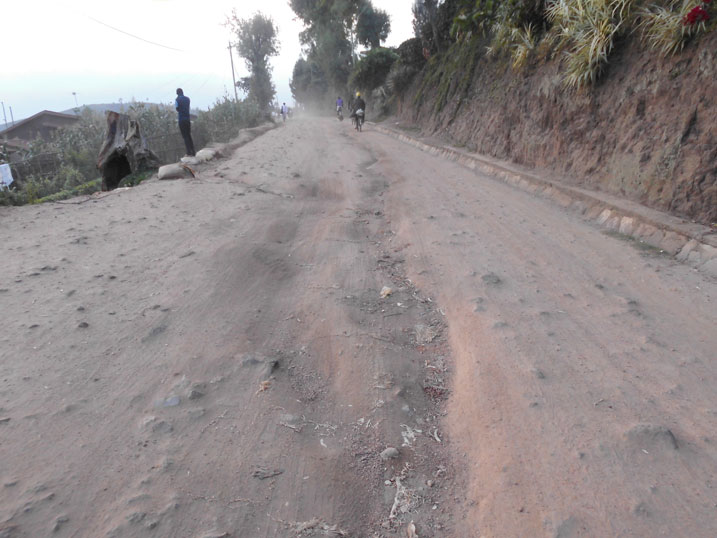
Members of the Rwandan Parliament recently raised pointed questions to the Rwanda Transport Development Agency (RTDA) concerning an expenditure of Rwf392 million allocated for laterite repairs on the vital Rusizi-Bugarama road. This development, reported by KT Press Rwanda, brings to the fore perennial issues surrounding public procurement, contract management, and the efficient use of state resources in infrastructure projects across the nation. The Rusizi-Bugarama road, identified as strategic, underscores the importance of ensuring that funds allocated for its maintenance are utilized judiciously and transparently.
This parliamentary intervention is not merely a routine inquiry but a significant exercise of legislative oversight, reflecting a commitment to public accountability. The substantial sum involved for what are typically considered basic road repairs, using laterite, has prompted legislators to demand clarity and justification from the RTDA. For legal professionals, this incident serves as a crucial reminder of the stringent legal and regulatory environment governing public finance and procurement in Rwanda, and the potential ramifications for public entities and their officials when these frameworks are perceived to be breached.
This article will delve into the legal and institutional frameworks underpinning public procurement and financial management in Rwanda, analyze the implications of Parliament's questioning for the RTDA, and discuss the broader context of accountability in public infrastructure projects. It aims to provide practitioners with insights into the legal duties, oversight mechanisms, and potential consequences associated with such public expenditures.
Background
The Rwanda Transport Development Agency (RTDA) operates as a public institution under the Ministry of Infrastructure (MININFRA), tasked with the day-to-day management of the transport sector, encompassing roads, railways, and inland waterways. Its mandate, established by Organic Law No 02/2010 of 20/01/2010, as amended by Law No 29/2014 of 12/08/2014, and further defined by Presidential Order N° 053/01 of 02/08/2023, includes the coordination, planning, implementation, and monitoring of transport infrastructure projects, with a core mission to ensure cost-effective and quality services for national economic development.
Public procurement in Rwanda is primarily governed by Law N° 15/2017 of 26/05/2017 Relating to Public Procurement. This law, alongside regulations set by the Rwanda Public Procurement Authority (RPPA), aims to ensure competition, economy, transparency, fairness, efficiency, accountability, and zero tolerance for corruption in all public procurement activities. The RPPA, established by Presidential Order N° 052/01 of 02/08/2023, is empowered to set standards, monitor proceedings, investigate alleged irregularities, and even suspend tender processes or exclude bidders. Furthermore, public financial management is regulated by Organic Law N° 002/2022.OL of 12/12/2022 on Public Finance Management, which outlines the framework for the allocation, utilization, and accounting of state resources, emphasizing accountability for budget managers.
Parliamentary oversight over public funds is a cornerstone of Rwanda's governance structure. Under Article 79 of the Constitution of the Republic of Rwanda, the Chamber of Deputies, in consultation with the Senate, approves the state budget and exercises control over all public funds. The Office of the Auditor General for State Finances (OAG), an independent institution established under Article 183 of the Constitution, plays a crucial role by annually auditing state finances and submitting reports to Parliament. These reports often highlight issues such as unlawful expenditure, delays in project implementation, and weaknesses in procurement and contract management, prompting parliamentary inquiries and demands for accountability from public officials.
Analysis
The parliamentary questioning of the RTDA over the Rwf392 million laterite repairs on the Rusizi-Bugarama road directly implicates several key principles of public procurement and financial management. The core issue revolves around whether the expenditure represents "value for money," a fundamental tenet enshrined in Rwanda's public procurement framework, which mandates economy, efficiency, and transparency. The RPPA's mission explicitly includes ensuring the "best value for money" for the Government of Rwanda. If the cost of laterite repairs is deemed excessive or disproportionate to the scope and quality of work, it could indicate a failure to adhere to these principles, potentially leading to findings of unlawful expenditure or mismanagement.
The Organic Law N° 002/2022.OL on Public Finance Management holds chief budget managers liable for non-compliance with public finance laws, particularly in cases of willful or grossly negligent failure to adhere to provisions. Parliament's power to summon Cabinet members and chief budget managers to explain budget utilization, as provided for in the legal framework, demonstrates the legislature's authority to enforce accountability. The OAG's annual reports consistently flag issues such as delays in project commencement, low disbursement rates, and weaknesses in procurement and contract management, which often result in stalled construction works and idle public assets. The current inquiry into the RTDA's expenditure aligns with these recurring concerns, suggesting that the issue of costly laterite repairs may be symptomatic of broader systemic challenges in project execution and oversight.
Furthermore, the strategic nature of the Rusizi-Bugarama road amplifies the public interest and the need for rigorous accountability. Infrastructure development is a cornerstone of Rwanda's economic growth strategy, and any perceived inefficiencies or irregularities in such projects can undermine public trust and hinder national development objectives. The RPPA has the power to carry out investigations and suspend tender processes to conduct inquiries, which could be a potential next step if Parliament's initial questioning reveals significant discrepancies. The outcome of this parliamentary scrutiny could therefore lead to a formal audit by the OAG, administrative sanctions against responsible officials, or even legal proceedings if evidence of corruption or gross negligence is uncovered. Rwanda's commitment to strengthening legislative oversight in Public Financial Management, as evidenced by its B+ score for legislative scrutiny, indicates a robust system designed to address such concerns, although challenges in the timeliness of scrutiny persist.
Conclusion
The parliamentary questioning of the RTDA over the Rwf392 million laterite repairs on the Rusizi-Bugarama road serves as a potent reminder for legal practitioners and public entities alike regarding the paramount importance of strict adherence to public procurement and financial management laws in Rwanda. This incident underscores the continuous scrutiny applied by legislative bodies to ensure public funds are expended efficiently, transparently, and in a manner that delivers optimal value for money. Legal professionals advising public institutions or contractors engaged in public works must emphasize meticulous compliance with Law N° 15/2017 on Public Procurement, Organic Law N° 002/2022.OL on Public Finance Management, and all related regulations and guidelines issued by the RPPA.
Practitioners should closely monitor the developments stemming from this inquiry, as it may set precedents for how similar cases of alleged over-expenditure or mismanagement are handled. Potential outcomes could include further investigations by the Office of the Auditor General, administrative actions against RTDA officials, or even criminal proceedings if severe breaches are identified. This situation highlights the need for robust internal controls, comprehensive contract management, and proactive risk assessment within public entities to withstand rigorous parliamentary and audit scrutiny. Legal counsel should guide clients on best practices for documentation, justification of costs, and ensuring that all project phases align with legal requirements and public expectations of accountability.
Citations
- 1.Organic Law No 02/2010 of 20/01/2010 establishing Rwanda Transport Development Agency (RTDA) and determining its mission, structure and functioning
- 2.Law No 29/2014 of 12/08/2014 modifying and complementing Law n° 02/2010 of 20/01/2010 establishing Rwanda Transport Development Agency (RTDA) and determining its mission, structure and functioning
- 3.Presidential Order N° 053/01 of 02/08/2023 governing Rwanda Transport Development Agency (RTDA)
- 4.Law N° 15/2017 of 26/05/2017 Relating to Public Procurement
- 5.Presidential Order N° 052/01 of 02/08/2023 governing Rwanda Public Procurement Authority (RPPA)
- 6.Organic Law N° 002/2022.OL of 12/12/2022 on Public Finance Management
- 7.Constitution of the Republic of Rwanda of 2003, revised in 2015, Article 79, Article 183
- 8.Organic Law n° 12/2013/OL of 12/09/2013 on State Finances and Property, Article 11
- 9.Auditor General's Annual Audit Report for the financial year ending June 30, 2025 (presented May 6, 2026)
- 10.Auditor General's Annual Audit Report for the financial year ending June 30, 2024 (presented May 9, 2025)
- 11.Rwanda Public Procurement Authority (RPPA) mission statement and powers (Official Gazette n° Special of 03/08/2023)
- 12.IPU PARLINE database: RWANDA (Chambre des Députés), Oversight
- 13.IPU PARLINE database: RWANDA (Senate), Oversight
- 14.Rwanda Development Board (RDB) - Infrastructure Overview
- 15.AFROPAC - Strengthening Legislative Oversight in Rwanda (2023 PEFA report)
How does this affect your business?
Get an AI analysis of this article grounded in your jurisdictions, practice areas, and any policy documents you've uploaded to Wansom.