
“Senate Confirms Abayomi Fasina As Non-Career Ambassador” — Nomination Survives Lawmakers’ Objections, Civil Society Protests
Abstract
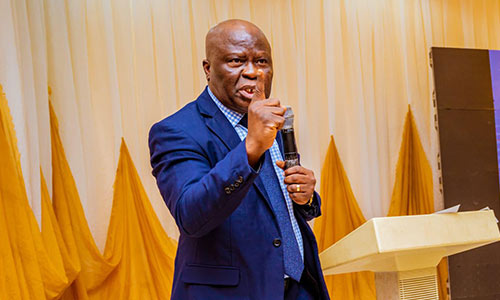
The Nigerian Senate has confirmed Professor Abayomi Sunday Fasina as a non-career ambassador and high commissioner of the Federal Republic of Nigeria, despite objections from lawmakers and protests by civil society organisations. The confirmation was based on the consideration and adoption of the report of the Senate Committee on Foreign Affairs. This development is significant in the context of diplomatic appointments in Nigeria.
Introduction
The recent confirmation of Professor Abayomi Sunday Fasina as a non-career ambassador and high commissioner by the Nigerian Senate has sparked interest among legal professionals and observers of the country's political landscape. The nomination had faced objections from some lawmakers and protests from civil society organisations, highlighting the complexities involved in diplomatic appointments in Nigeria. This article provides an overview of the development and its implications for the country's foreign policy.
Background
The appointment of ambassadors and high commissioners is a critical aspect of a country's foreign policy, requiring careful consideration and scrutiny by lawmakers. In Nigeria, the Senate plays a crucial role in confirming such appointments, which are typically made by the President. The nomination of Professor Fasina had been subject to intense debate, with some lawmakers raising concerns about his suitability for the position. Meanwhile, civil society organisations had protested against his nomination, citing unspecified reasons.
Analysis
The confirmation of Professor Fasina's appointment is a significant development in Nigeria's diplomatic landscape. Despite the objections and protests, the Senate ultimately adopted the report of the Committee on Foreign Affairs, clearing the way for his confirmation. This outcome highlights the complexities involved in diplomatic appointments, where competing interests and priorities often come into play. The fact that Professor Fasina's nomination survived these challenges suggests that he may have significant support within the government or among lawmakers.
Conclusion
The confirmation of Professor Abayomi Sunday Fasina as a non-career ambassador and high commissioner has important implications for Nigeria's foreign policy. As the country navigates complex diplomatic relationships with other nations, the appointment of suitable ambassadors and high commissioners is crucial. This development underscores the need for careful consideration and scrutiny in such appointments, ensuring that they align with the country's interests and priorities.
How does this affect your business?
Get an AI analysis of this article grounded in your jurisdictions, practice areas, and any policy documents you've uploaded to Wansom.