
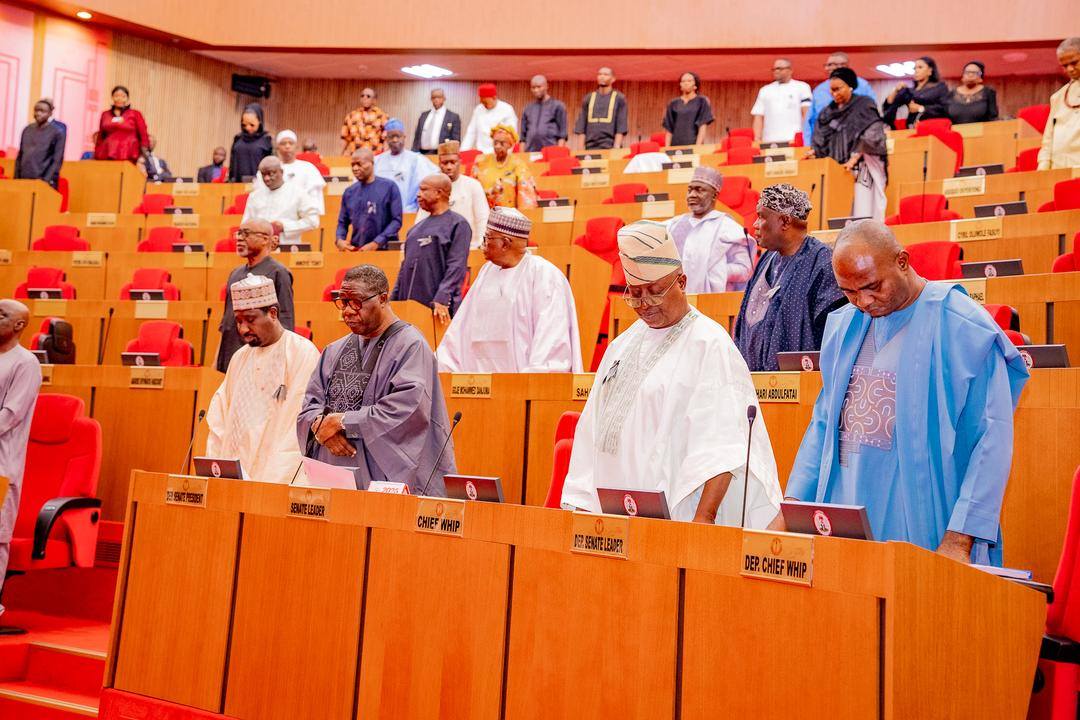
Senate panel probes alleged $71.65m, N30.7bn unpaid oil firms’ contributions to NDDC
Abstract
A Nigerian Senate panel has launched an investigation into allegations that several oil companies, including Nembe Exploration and Production Company Limited (formerly Aiteo Exploration and Production Company Limited), have failed to remit statutory contributions to the Niger Delta Development Commission (NDDC). The alleged outstanding amounts total $71.65 million and N30.7 billion, significantly impeding the NDDC's capacity to execute its developmental mandate in the oil-rich Niger Delta region. This probe highlights persistent challenges in enforcing compliance with Section 14(2)(b) of the NDDC Act, which mandates oil and gas companies to contribute three percent of their annual operating budgets to the Commission. The investigation underscores the need for robust enforcement mechanisms and potential legislative reforms to ensure consistent funding for regional development.
Introduction
The Nigerian Senate has initiated a critical inquiry into the alleged non-remittance of statutory contributions by several oil companies to the Niger Delta Development Commission (NDDC). This development follows a petition by an environmental activist, drawing attention to substantial outstanding payments, specifically citing Nembe Exploration and Production Company Limited (formerly Aiteo Exploration and Production Company Limited) for an alleged default of $71.65 million and N30.7 billion from 2021 to date. The probe by the Senate Committee on NDDC underscores a recurring challenge in the funding of the interventionist agency, directly impacting its ability to address the severe environmental degradation and socio-economic underdevelopment prevalent in the Niger Delta region.
Background
The Niger Delta Development Commission (NDDC) was established in 2000 by the Niger Delta Development Commission (Establishment, etc.) Act, 2000, as a federal government agency with the primary mandate of facilitating the rapid, even, and sustainable development of the oil-rich Niger Delta region. This mandate encompasses the formulation of policies and guidelines, as well as the conception, planning, and implementation of projects across vital sectors such as transportation, health, education, industrialisation, agriculture, housing, water supply, electricity, and telecommunications. The creation of the NDDC was a direct response to decades of agitation by the people of the Niger Delta over environmental degradation, marginalisation, and underdevelopment, despite the region being the source of a significant portion of Nigeria's wealth. It succeeded previous efforts like the Oil Mineral Producing Areas Development Commission (OMPADEC), which had largely failed to meet the region's developmental needs.
Central to the NDDC's operations is its funding mechanism, as stipulated in Section 14 of the NDDC Act. The Commission's fund is derived from several sources, including annual federal government allocations, 50 percent of monies due to member states from the Ecological Fund, and crucially, contributions from oil and gas producing companies operating in the Niger Delta. Specifically, Section 14(2)(b) (and Section 2(p) as amended) mandates these companies to contribute three percent of their total annual operating budgets to the Commission. This statutory obligation is intended to ensure that those who benefit directly from the region's resources contribute to its remediation and development.
Analysis
The current Senate probe highlights a persistent issue of non-compliance by some oil companies with their statutory funding obligations under the NDDC Act. The Managing Director of the NDDC, Dr. Samuel Ogbuku, has acknowledged that the recovery of these statutory remittances from International Oil Companies (IOCs) remains a significant challenge, leading to funding shortfalls that negatively impact the implementation of crucial projects. The petition specifically names Nembe Exploration and Production Company Limited, alleging outstanding remittances from 2021 to date, which the petitioner argues has severely weakened the NDDC's capacity to fulfil its mandate.
One of the critical gaps identified in the NDDC Act, particularly when compared to newer legislation like the Petroleum Industry Act (PIA) 2021, is the absence of effective penalties for non-compliance or delayed remittances. While the PIA introduced the Host Communities Development Trust (HCDT) and mandates a 3% contribution of the operator's annual operating expenditure, it also provides for clearer enforcement mechanisms and potential sanctions. This disparity suggests a need for legislative review of the NDDC Act to introduce more stringent provisions, including penalties for default, to compel adherence by oil and gas companies. Such amendments would align the NDDC Act with contemporary regulatory frameworks designed to ensure accountability and consistent funding for host communities.
Historically, the issue of inadequate funding for the NDDC has not been limited to oil companies alone; even the Federal Government has faced criticisms for not fully complying with its own statutory contributions. This systemic challenge underscores a broader problem of governance and enforcement within the Nigerian oil and gas sector. The Senate's directive for the NDDC to submit a comprehensive list of all defaulting companies, along with records of reconciliation meetings and recovery efforts, is a crucial step towards transparency and accountability. It signals a legislative intent to move beyond mere appeals and consider more decisive actions, potentially including formal summons and stricter sanctions, as advocated by some senators.
The legal implications of this non-compliance are significant. The NDDC Act creates a clear statutory obligation, and failure to meet this obligation constitutes a breach of law. While the NDDC has engaged in reconciliation efforts, the persistent nature of the defaults suggests that these efforts alone are insufficient. The ongoing probe may serve as a catalyst for legal actions to recover the outstanding funds, potentially through civil suits or regulatory interventions by bodies like the Nigerian Upstream Petroleum Regulatory Commission (NUPRC), which the petitioner urged to enforce compliance. The outcome of this investigation could set a precedent for how statutory contributions are enforced in Nigeria's extractive industries.
Conclusion
The Senate's investigation into the alleged non-remittance of statutory contributions by oil companies to the NDDC is a critical moment for the enforcement of legal obligations within Nigeria's oil and gas sector. For legal practitioners, this probe highlights the imperative for oil and gas companies operating in the Niger Delta to meticulously review their compliance with Section 14(2)(b) of the NDDC Act and ensure timely remittance of their 3% annual operating budget contributions. Failure to do so exposes them to legislative scrutiny, potential legal action, and reputational damage.
Practitioners should advise clients on the increasing regulatory and legislative focus on host community development and environmental remediation, as evidenced by both the NDDC Act and the more recent Petroleum Industry Act. It is crucial to anticipate potential amendments to the NDDC Act that may introduce stricter penalties for non-compliance, mirroring provisions in the PIA. Companies should proactively engage with the NDDC and relevant regulatory bodies to reconcile accounts and address any outstanding liabilities. The outcome of this Senate probe will undoubtedly shape future enforcement strategies and may lead to a more robust legal framework for ensuring that the Niger Delta region receives the statutory funding essential for its sustainable development.
Citations
- 1.Niger Delta Development Commission (Establishment, etc.) Act, 2000
- 2.Petroleum Industry Act, 2021
- 3.Premium Times Nigeria, "Senate panel probes alleged $71.65m, N30.7bn unpaid oil firms’ contributions to NDDC", July 11, 2026
- 4.Premium Times Nigeria, "Senate probes alleged $71.65m, N30.7bn NDDC remittance default by oil firm", July 11, 2026
- 5.The Guardian, "Senate Probes Alleged $71.64m, ₦30.7bn NDDC Levy Default by NEMBE Exploration", July 11, 2026
- 6.Wikipedia, "Niger Delta Development Commission"
- 7.Open Journal Unimal, "Governance and the People's Mandate: The Niger Delta Development Commission (NDDC) Revisited, under the Change Agenda"
- 8.LEGAL EMPERORS, "Mandate of the Niger Delta Development Commission", May 08, 2017
- 9.Nairametrics, "NIGER-DELTA DEVELOPMENT COMMISSION (F,SfABLlSHMENT,ETC.)ACf, 2000"
- 10.TEMPLARS Law, "NDDC- Amendment Act: Was there an amendment"
- 11.Port Harcourt Journal Of History & Diplomatic Studies, "The Precursors of Niger Delta Development Commission", December 21, 2000
- 12.Devex, "Niger Delta Development Commission (NDDC)"
- 13.LeLaw Legal, "NDDC v Nigerian LNG:"
- 14.African Journals Online (AJOL), "Niger Delta Development Commission and Sustainable Development of Niger Delta Region of Nigeria: The Case of Rivers State"
- 15.PwC, "Tax Bites - The Petroleum Industry Act and the attempt at addressing Host Community Restiveness", May 31, 2022
- 16.Icheke Journal of the Faculty of Humanities, "The Contributions of Niger Delta Development Commission (NDDC)"
- 17.Petroleum Industry Act, "About Us - Petroleum Industry Act"
How does this affect your business?
Get an AI analysis of this article grounded in your jurisdictions, practice areas, and any policy documents you've uploaded to Wansom.