
Senegalese Supreme Court annuls Touba Almadies land allocation decree
Summary
- The Supreme Court of Senegal has annulled a 2019 ministerial decree that reduced public spaces in Touba Almadies.
- The decision brings an end to a nearly two-decade-long conflict over land allocation and development projects.
- The court reaffirmed the contractual obligations to buyers, setting a precedent for future land allocations and development projects in Senegal.
- The annulment opens the way for the restitution of public spaces, which is crucial for the well-being of the community.
What Happened
The decision by the Supreme Court has significant implications for land allocations and development projects in Senegal.
The Supreme Court of Senegal has annulled a 2019 ministerial decree that reduced the allocated spaces for public equipment in the Touba Almadies city. This decision was rendered on July 9, 2026, by the first administrative chamber of the Supreme Court. The annulment brings an end to a nearly two-decade-long conflict that began in 2008 when a ministerial decree defined the initial plan for the development, which included schools, a mosque, and green spaces. However, a first modifying decree in 2009 reduced these areas without informing residents, followed by a second decree in 2019 that paved the way for large-scale real estate projects.
Legal Context
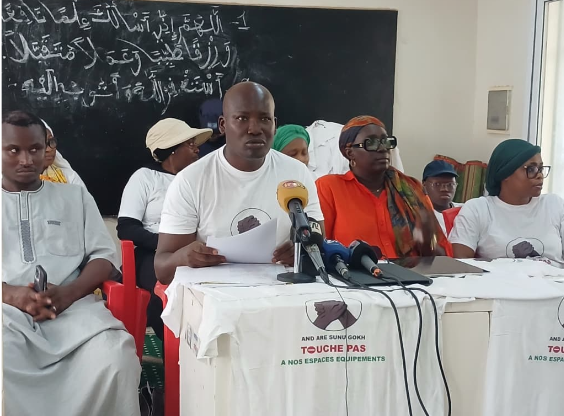
The conflict dates back to 2008 when a ministerial decree defined the initial plan for the development of Touba Almadies. The decree allocated spaces for public equipment, including schools and green areas. However, in 2009, a modifying decree reduced these areas without informing residents. This move was followed by another decree in 2019 that allowed for large-scale real estate projects to be developed on the land. The Association of Residents of Touba Almadies (ARTA) had been fighting against this development and finally took their case to the Supreme Court, which annulled the 2019 decree and reaffirmed the contractual obligations to buyers.
Why It Matters
The decision by the Supreme Court has significant implications for land allocations and development projects in Senegal. The court's reaffirmation of contractual obligations to buyers means that developers must respect the original agreements made with residents. This decision also opens the way for the restitution of public spaces, which is crucial for the well-being of the community. Lawyers and compliance officers should take note of this decision as it sets a precedent for future land allocations and development projects in Senegal.
Practical Implications
Lawyers and compliance officers should watch for the potential implications of this decision on future land allocations and development projects in Senegal, particularly in light of the Supreme Court's reaffirmation of contractual obligations to buyers.
Source
How does this affect your business?
Get an AI analysis of this article grounded in your jurisdictions, practice areas, and any policy documents you've uploaded to Wansom.