
Sénégal: Grand Magal de Touba injecte 375 milliards FCFA dans l'économie
Summary
- The Grand Magal de Touba injects over 375 billion FCFA into Sénégal's economy.
- The event's economic impact grows each year, with significant benefits for commerce, transportation, accommodation, and catering sectors.
- The number of pilgrims is projected to reach 13 million in just over a decade, with substantial economic repercussions.
What Happened
The Grand Magal de Touba's economic impact continues to grow each year, highlighting the central role of religious tourism in driving economic and social development for Sénégal.
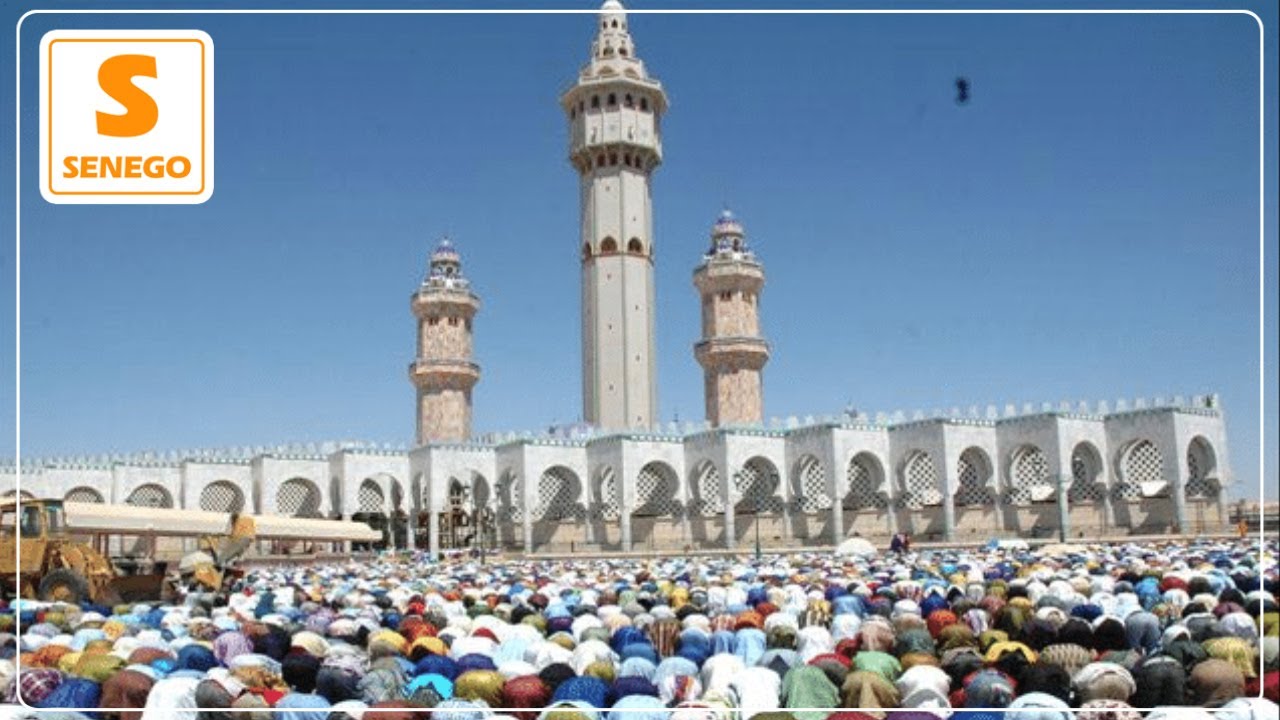
The Grand Magal de Touba, a major religious event in Sénégal, has been estimated to inject over 375 billion FCFA into the country's economy. This estimate is based on a joint study by the Université Cheikh Ahmadoul Khadim (UCAK) and the Université Alioune Diop de Bambey (UADB). The sectors of commerce, transportation, accommodation, and catering are the main beneficiaries of this economic impact. According to Serigne Ahmadou Badawi Mbacké, president of the Complexe Cheikh Ahmadoul Khadim, this impact continues to grow each year, highlighting the central role of religious tourism in driving economic and social development for Sénégal.
Legal/Regulatory Context
The increasing number of pilgrims attending the Grand Magal de Touba has significant implications for businesses operating in the Senegalese tourist sector. With an estimated 6.5 million pilgrims in 2025, up from 3 million in 2011, and a projected 13 million in just over a decade, companies must plan and prepare for this expected surge. The economic impact of this event is not only significant but also growing, with the potential to have far-reaching consequences for businesses and policymakers alike.
Why It Matters
The Grand Magal de Touba's economic impact is a strategic lever that cannot be ignored. The event's growth and increasing participation will undoubtedly lead to more substantial economic repercussions. As the number of pilgrims continues to rise, businesses must adapt and prepare for this influx, taking into account the potential consequences on their operations and revenue. This development has significant implications for policymakers, who must consider the long-term effects on the economy and plan accordingly.
Practical Implications
Cette estimation pourrait avoir des implications pour les entreprises qui exploitent le secteur touristique sénégalais, notamment en ce qui concerne la planification et la préparation pour l'augmentation attendue du nombre de pèlerins.
Source
How does this affect your business?
Get an AI analysis of this article grounded in your jurisdictions, practice areas, and any policy documents you've uploaded to Wansom.