
SHA to penalize clinics that fail to dispense prescribed medicines under new reimbursement rules
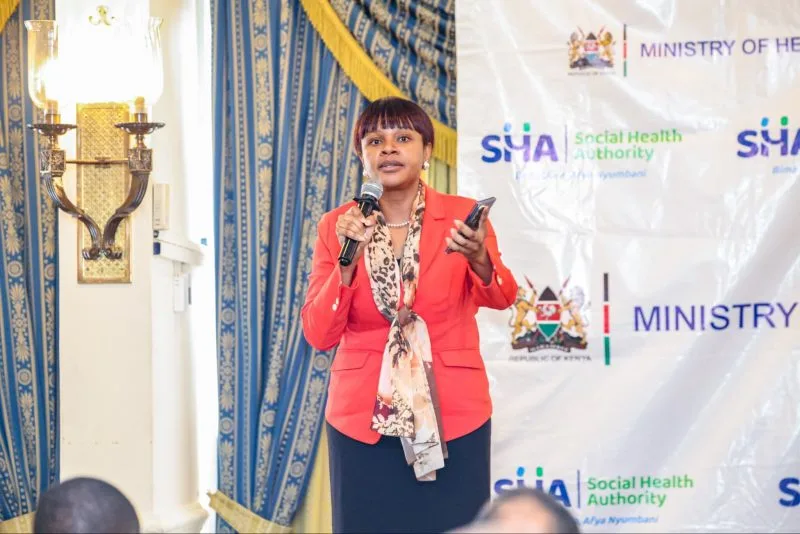
Abstract
The Social Health Authority (SHA) in Kenya has introduced a new reimbursement model aimed at penalizing clinics that fail to dispense prescribed medicines. The move is part of efforts to improve healthcare services and ensure that patients receive the necessary treatment. Under the new rules, primary healthcare facilities that do not adhere to the dispensing requirements will face reduced payments from the SHA. This development is significant as it seeks to address the issue of non-adherence to medical prescriptions in Kenya's healthcare system.
Introduction
The Social Health Authority (SHA) has announced a new reimbursement model that will penalize clinics failing to dispense prescribed medicines, effective immediately. The move is part of efforts to improve healthcare services and ensure patients receive necessary treatment. This development matters as it seeks to address the issue of non-adherence to medical prescriptions in Kenya's healthcare system.
Background
The SHA has been working towards improving the reimbursement model for primary healthcare facilities. The new rules aim to incentivize clinics to adhere to medical prescriptions, thereby ensuring that patients receive the necessary treatment. This move is part of a broader effort to strengthen the healthcare system in Kenya. The SHA's decision is significant as it seeks to address the issue of non-adherence to medical prescriptions, which has been a concern in the country's healthcare sector.
Analysis
The introduction of the new reimbursement model is a significant development in Kenya's healthcare sector. The move aims to penalize clinics that fail to dispense prescribed medicines, thereby ensuring that patients receive the necessary treatment. This development raises several questions about the implementation of the new rules and how they will impact primary healthcare facilities. It also highlights the need for continued efforts to strengthen the healthcare system in Kenya.
Conclusion
The SHA's decision to introduce a new reimbursement model is a step towards improving healthcare services in Kenya. The move aims to penalize clinics that fail to dispense prescribed medicines, thereby ensuring that patients receive necessary treatment. Practitioners should note this development and be aware of the implications for primary healthcare facilities.
How does this affect your business?
Get an AI analysis of this article grounded in your jurisdictions, practice areas, and any policy documents you've uploaded to Wansom.