
Sixtus Mapunda — TZ Legal Update
Abstract
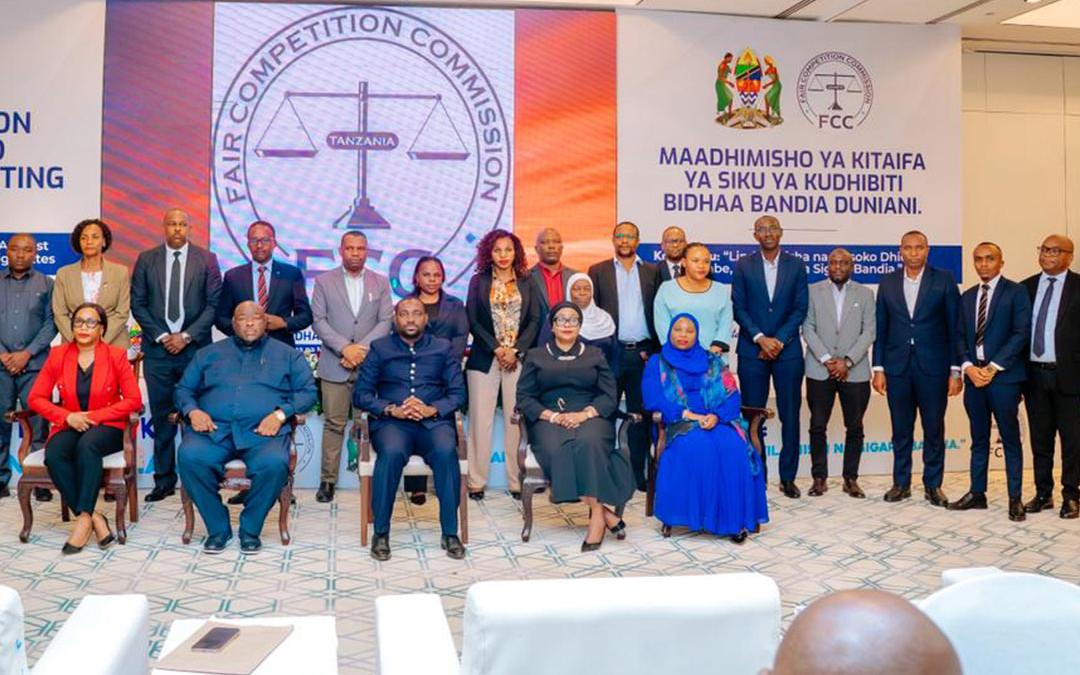
Tanzania recently observed Anti-Counterfeiting Day with a renewed call for collective action from all stakeholders to combat the pervasive trade in counterfeit goods. Temeke District Commissioner, Sixtus Mapunda, underscored that government institutions alone cannot win this battle, emphasizing the critical need for active participation from citizens, the private sector, and all economic actors. Counterfeit products pose significant threats to public health, legitimate businesses, and government revenues, necessitating a multi-faceted approach to enforcement and public awareness. This article delves into Tanzania's legal framework for intellectual property protection and anti-counterfeiting, examining the roles of key regulatory bodies, recent legislative enhancements, and persistent challenges in safeguarding consumers and the national economy.
Introduction
The fight against counterfeit goods remains a critical challenge for economies worldwide, and Tanzania is no exception. As the nation recently marked Anti-Counterfeiting Day, a strong message emerged from Dar es Salaam: the battle against illicit trade demands a unified front. Temeke District Commissioner, Sixtus Mapunda, highlighted the severe repercussions of counterfeit products on public health, legitimate businesses, and government revenues, urging for intensified, collaborative efforts beyond government institutions alone.
This call to action underscores a growing recognition within Tanzania of the profound economic and social damage inflicted by the proliferation of fake goods. From endangering consumer safety through substandard products like alcohol and lubricants to stifling innovation and fair competition, counterfeiting undermines the very fabric of a healthy market. This article will explore the existing legal and institutional landscape in Tanzania designed to combat counterfeiting, analyze recent regulatory advancements, and discuss the ongoing challenges and implications for legal practitioners and businesses operating within the jurisdiction.
Background
Tanzania's legal framework for intellectual property (IP) protection and anti-counterfeiting is primarily anchored in several key statutes. The cornerstone legislation for combating counterfeit goods, particularly those infringing on trademarks, is the Merchandise Marks Act, 1963 (Cap 85 R.E. 2023). This Act prohibits the application of false trade descriptions to goods, the sale or offering for sale of goods bearing such false descriptions, and even the possession of tools used for counterfeiting. Violations under this Act carry criminal sanctions, reflecting the seriousness with which the state views such offenses.
Complementing this, the Trade and Service Marks Act governs the registration and protection of trademarks, while the Copyright and Neighbouring Rights Act, 1999 (Cap 218 R.E. 2023), safeguards literary, artistic works, and folklore. Patents are protected under the Patents (Registration) Act, 1987 (Cap 217 R.E. 2023). Enforcement of these rights is largely vested in institutions such as the Fair Competition Commission (FCC), which is empowered by the Fair Competition Act, 2003 (Cap 285 R.E. 2019), to promote competition and protect consumers from unfair and misleading market practices. The Business Registrations and Licensing Agency (BRELA) is responsible for the administration and registration of industrial property rights, including trademarks and patents.
Analysis
Despite a robust legislative framework, the enforcement of intellectual property rights and the fight against counterfeiting in Tanzania have historically faced significant hurdles, including limited public awareness and inadequate resources for enforcement agencies. However, recent legislative and strategic developments signal a fortified resolve to address these issues. A pivotal regulatory update, introduced through the Finance Act of 2025, amended the Merchandise Marks Act, giving rise to the Merchandise Marks (Recordation) Regulations, 2025. These regulations, effective December 1, 2025, mandate that all trademarks associated with goods imported into mainland Tanzania must be officially recorded with the Chief Inspector of Merchandise Marks at the FCC. This mandatory recordation system, which requires annual renewal and agent registration, is a proactive measure designed to strengthen border enforcement and prevent counterfeit goods from entering the market.
Enforcement efforts are primarily driven by the FCC, whose Anti-Counterfeit Enforcement Section investigates and prosecutes cases under the Merchandise Marks Act, disposes of condemned goods, and conducts public awareness campaigns. The FCC has also expanded its operational reach by establishing new zonal offices in key entry points like Mwanza, Arusha, and Mbeya, aiming to curb the inflow of counterfeits more effectively. The judiciary plays a crucial role, as evidenced by cases such as *ABRI GENERAL TRADERS vs. ABRO INDUSTRIES INC (Civil Case No. 41 of 2022)*, where the High Court clarified the procedures for appeals against FCC decisions on suspected counterfeit goods. This case highlights the judicial oversight and the avenues available for challenging enforcement actions.
However, challenges persist. While Tanzania is a member of the African Regional Intellectual Property Organization (ARIPO), a 2025 Court of Appeal decision (the Lakairo ruling) has rendered ARIPO trademark registrations unenforceable on the Mainland, necessitating national re-filing for trademark protection. This creates a dual system where ARIPO patents and industrial designs remain valid, but trademarks require separate national registration, adding complexity for rights holders. Furthermore, while industrial designs can be protected through ARIPO or by registration in the United Kingdom under the Patents (Registration) Act, Tanzania still lacks specific national legislation for the direct registration of industrial designs, presenting a gap in comprehensive domestic protection. The recent renewed partnership between Tanzania's FCC and Kenya's Anti-Counterfeit Authority (ACA) for information sharing and collaborative enforcement actions across the East African region is a positive step towards addressing the cross-border nature of counterfeiting.
Conclusion
The call for intensified, multi-stakeholder efforts on Anti-Counterfeiting Day in Tanzania underscores the critical nature of protecting both consumers and the national economy from the detrimental effects of illicit trade. The recent introduction of mandatory trademark recordation for imported goods, coupled with the FCC's expanded enforcement capabilities and regional collaborations, demonstrates a clear commitment to strengthening the anti-counterfeiting regime. However, legal practitioners must remain cognizant of the evolving landscape, particularly the implications of the Lakairo ruling on ARIPO trademark registrations and the ongoing need for comprehensive national legislation for industrial designs.
For businesses and intellectual property owners, proactive engagement is paramount. This includes ensuring meticulous national registration of trademarks, complying with the new recordation regulations for imported goods, and actively collaborating with enforcement agencies like the FCC. Practitioners should advise clients on robust due diligence, market monitoring, and the strategic use of both civil and criminal remedies available under Tanzanian law. Continued vigilance and a concerted effort from all sectors—government, private industry, and consumers—will be essential in creating a safer market, fostering legitimate investment, and ultimately safeguarding public welfare in Tanzania.
Citations
- 1.Merchandise Marks Act, 1963 (Cap 85 R.E. 2023)
- 2.Copyright and Neighbouring Rights Act, 1999 (Cap 218 R.E. 2023)
- 3.Patents (Registration) Act, 1987 (Cap 217 R.E. 2023)
- 4.Fair Competition Act, 2003 (Cap 285 R.E. 2019)
- 5.Merchandise Marks (Recordation) Regulations, 2025
- 6.ABRI GENERAL TRADERS vs. ABRO INDUSTRIES INC, Civil Case No. 41 of 2022, High Court of Tanzania
- 7.Daily News Tanzania, "Tanzania marks the Anti-Counterfeiting Day with call for more efforts in protecting consumers and economy" (June 26, 2026)
- 8.MWEBESA LAW GROUP, "Restrictions Under the Anti Counterfeit Laws" (March 28, 2024)
- 9.Afriwise, "Intellectual Property Law and Copyright Matters in Tanzania" (Accessed July 1, 2026)
- 10.Edubongo_MLaw_Office, "Understanding Intellectual Property – Rights in Tanzania What Businesses Need to Know" (Accessed July 1, 2026)
- 11.Inventa, "Overcoming enforcement challenges in Tanzania" (August 6, 2024)
- 12.Scribd, "Tanzania Merchandise Marks Act Overview" (Accessed July 1, 2026)
- 13.Saba IP, "Counterfeit Hotspots In Tanzania That Brand Owners Must Be Aware Of" (April 28, 2026)
- 14.Lexglobe IP Services, "Tanzania Protected Copyright Lawyers" (June 26, 2026)
- 15.Laws of Tanzania, "COPYRIGHT AND NEIGHBOURING RIGHTS ACT" (Accessed July 1, 2026)
- 16.WIPO Lex, "Intellectual Property Right in Tanzania, United Republic of Tanzania" (November 4, 2010)
- 17.Inventa, "Industrial Designs Law in Tanzania" (May 30, 2025)
- 18.Afro-IP, "Tanzania increases powers to seize counterfeits" (January 24, 2008)
- 19.Managing IP, "Mandatory trademark recordation fortifies brand protection in Tanzania" (October 29, 2025)
- 20.International Trade Administration, "Tanzania - Protecting Intellectual Property" (December 14, 2022)
- 21.United Trademark & Patent Services, "Tanzania" (Accessed July 1, 2026)
- 22.UDSM Journals, "PROTECTING CONSUMERS' RIGHTS AGAINST COUNTERFEIT ELECTRONIC PRODUCTS IN TANZANIA" (Accessed July 1, 2026)
- 23.Scribd, "Tanzania Copyright and Rights Act 2025" (Accessed July 1, 2026)
- 24.OSG e-Library, "THE PATENTS (REGISTRATION) ACT, CHAPTER 217 R.E. 2023" (Accessed July 1, 2026)
- 25.Lexglobe IP Services, "Tanzania Patentable Inventions Lawyers" (June 1, 2026)
- 26.Breakthrough Attorneys, "A Quick Look Into Intellectual Property Law in Tanzania" (April 28, 2016)
- 27.ICT Policy Africa, "The Tanzania Patents (Registration) Act (1995)" (Accessed July 1, 2026)
- 28.Intellectual Property Helpdesk, "IP Country Fiche - TANZANIA.docx" (October 22, 2015)
- 29.Lyson Law Group, "REGISTRATION OF PATENTS IN TANZANIA" (Accessed July 1, 2026)
- 30.OUCI, "Tackling the Counterfeit Goods Trade in Tanzania: Reflections on the Anti-Counterfeiting Criminal Law" (Accessed July 1, 2026)
- 31.Emerald Publishing, "Chapter 8: Tackling the Counterfeit Goods Trade in Tanzania: Reflections on the Anti-Counterfeiting Criminal Law" (Accessed July 1, 2026)
- 32.Uchumi360, "The regulation of the counterfeit goods trade : the case of Tanzania" (April 28, 2026)
- 33.AIPPI, "Mandatory Trademark Recordation for Imported Goods Effective" (December 1, 2025)
- 34.Vemma Consult Attorneys, "DECISION OF THE HIGH COURT OF TANZANIA, ON RULES AND PROCEDURES FOR APPEALS AGAINST THE FAIR COMPETITION COMMISSION (FCC) DECISIONS ON SUSPECTED COUNTERFEIT GOODS." (September 7, 2022)
- 35.Fair Competition Commission (FCC) Tanzania, "Tanzania steps up war on counterfeit goods." (Accessed July 1, 2026)
- 36.Uchumi360, "Fair Competition Commission (FCC) Tanzania: Guardian of Fair Markets, But Challenges Remain" (September 7, 2025)
- 37.WIPO, "United Republic of Tanzania" (Accessed July 1, 2026)
- 38.Lexglobe IP Services, "Tanzania Designs Registration Process Lawyers" (June 14, 2026)
- 39.Anti-Counterfeit Authority, "Anti-Counterfeit Authority Hosts Fair Competition Commission (FCC) of Tanzania in Renewed Regional Efforts to Combat Cross-Border Trade in Counterfeit Goods" (March 30, 2024)
- 40.Fair Competition Commission (FCC), "Anti-Counterfeit Enforcement Section" (Accessed July 1, 2026)
- 41.OAG, "THE MERCHANDISE MARKS ACT" (April 15, 2005)
How does this affect your business?
Get an AI analysis of this article grounded in your jurisdictions, practice areas, and any policy documents you've uploaded to Wansom.