
Sowore summons DSS boss as witness in Nigeria defamation trial
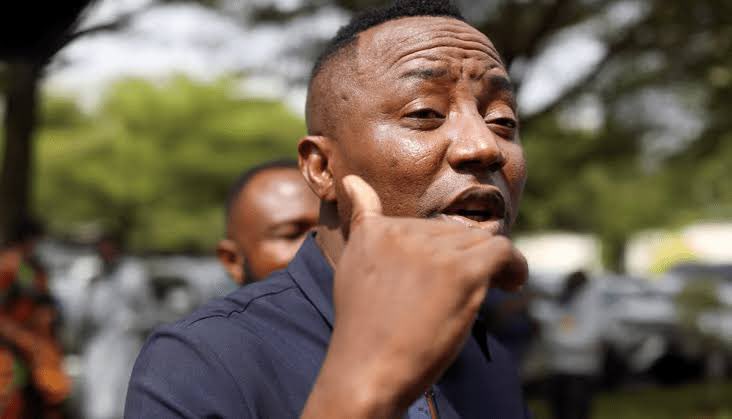
Summary
- Omoyele Sowore rescinds his decision to invite DSS boss Oluwatosin Ajayi as a witness in his trial for alleged criminal defamation.
- The trial is centered around allegations of criminal defamation, which carries significant penalties in Nigeria.
- The case has sparked concerns about media freedom and press independence in Nigeria, with observers worried about the potential impact on free speech.
What Happened
The decision to summon a high-ranking government official as a witness may be seen as an attempt to intimidate or influence the court, raising questions about the impartiality of the trial.
Omoyele Sowore, the publisher of Sahara Reporters, has made a significant move in his ongoing trial for alleged criminal defamation. Initially, he had decided to invite Oluwatosin Ajayi, the Director-General of the Department of State Services (DSS), to testify on his behalf. However, this decision was later rescinded by Sowore on Tuesday. The reason behind this change is not explicitly stated in public records.
The trial has been ongoing for some time now, with various developments and twists that have kept observers engaged. As the case unfolds, it will be interesting to see how the court responds to Sowore's decision to drop Ajayi as a witness.
Legal Context
The trial is centered around allegations of criminal defamation, which carries significant penalties in Nigeria. The legal framework governing defamation in the country is complex and has been the subject of controversy in recent years. The Cybercrimes Act 2015, often used for online defamation, was amended in 2024 to narrow its scope, following a 2022 ECOWAS Court ruling, sparking concerns about freedom of speech and press independence.
The case against Sowore is being closely watched by observers who are concerned about the potential impact on media freedom in Nigeria. The decision to summon a high-ranking government official as a witness may be seen as an attempt to intimidate or influence the court, raising questions about the impartiality of the trial.
Why It Matters
The outcome of this trial will have far-reaching implications for media freedom and press independence in Nigeria. If Sowore is found guilty of criminal defamation, it could set a worrying precedent that would chill free speech and limit the ability of journalists to hold those in power accountable.
Lawyers defending clients against alleged defamation charges should take note of this development and carefully consider potential compliance exposures. The decision to summon a high-ranking government official as a witness may be seen as an attempt to intimidate or influence the court, requiring careful consideration of potential risks and consequences.
Practical Implications
Lawyers defending clients against alleged defamation charges should note that the decision to summon a high-ranking government official as a witness may be seen as an attempt to intimidate or influence the court, and may require careful consideration of potential compliance exposures.
Source
How does this affect your business?
Get an AI analysis of this article grounded in your jurisdictions, practice areas, and any policy documents you've uploaded to Wansom.