
SS: SPLM-IO Leader Machar Denied Access to Lawyers, Newspapers
Summary
- Suspended First Vice President and SPLM-IO leader Dr. Riek Machar Teny accused the prosecution of denying him access to his defense lawyers and newspapers during his trial over the Nasir Incident.
- The special court trying Machar and seven others issued guidelines for access and communication between the accused and their lawyers, emphasizing respect for the law and fairness.
- Lead Prosecutor Ajo Ony'Ohisa dismissed Machar's claims of intimidation, challenging him to specify how he was intimidated by the prosecution.
Courtroom Tensions Rise as Machar Accuses Prosecution
This is intimidation from the prosecution, and we need protection. All the above are our rights.
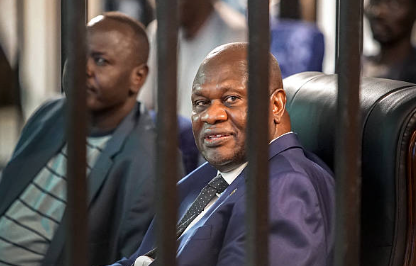
The trial of suspended First Vice President and SPLM-IO leader Dr. Riek Machar Teny and seven others over the Nasir Incident took a dramatic turn on Friday, with Machar accusing the prosecution of denying him access to his defense lawyers and newspapers. In a statement to the court, Machar claimed that the prosecution had instructed security personnel to restrict his interactions with his legal counsel, citing instances where his lawyers were stopped from bringing him sweets and newspapers. This alleged intimidation has raised concerns about the fairness of the trial, with Machar's defense team arguing that they need protection from any form of interference or intimidation. The prosecution, however, dismissed these claims, with Lead Prosecutor Ajo Ony'Ohisa challenging Machar to specify how he was intimidated.
Legal Context: Court Rules on Access and Interference
The special court trying Machar and the others has issued guidelines for access and communication between the accused and their lawyers, emphasizing that defendants are not permitted to address the court directly and must submit any submissions in writing through their defense lawyers. The court also clarified that the exchange of documents between the defense and the accused is permissible, but only with written permission from the court. Judge James Alala Deng warned against underhanded tactics and personalization of cases, stressing that the trial is a legal battle that must be conducted respectfully within the framework of the law. The judge also addressed concerns about security within the courtroom, stating that the court is responsible for ensuring the safety of all parties involved.
Why It Matters: Implications for Fair Defense and Compliance
The allegations of intimidation by the prosecution have significant implications for the fairness of the trial and the rights of the accused to a fair defense. As the trial progresses, lawyers and compliance officers should be vigilant in monitoring potential intimidation tactics by the prosecution, which could impact their clients' rights to a fair defense. The case highlights the importance of transparency and communication between the accused and their lawyers, as well as the need for clear guidelines on access and interference within the courtroom. By prioritizing fairness and respect for the law, the court can ensure that justice is served in this high-profile case.
Practical Implications
Lawyers and compliance officers should watch for potential intimidation tactics by the prosecution in high-profile cases, which could impact their clients' rights to a fair defense.
Source
Source: Original reporting via SPLM-IO
How does this affect your business?
Get an AI analysis of this article grounded in your jurisdictions, practice areas, and any policy documents you've uploaded to Wansom.