
Structures blocking waterways will be removed as flood recovery continues – GAF
Abstract
The Ghana Armed Forces (GAF) has announced its leadership in a nationwide post-flood recovery effort, which includes the removal of structures obstructing waterways. This initiative, prompted by recent devastating floods, highlights critical legal intersections concerning property rights, environmental protection, and urban planning in Ghana. While the state's power to demolish structures in the public interest is enshrined in law, particularly for illegal constructions impacting public safety and water flow, the exercise raises significant questions regarding due process, notice, and potential compensation for affected property owners. This article delves into the statutory framework underpinning such actions and examines the legal implications for practitioners navigating Ghana's evolving landscape of disaster management and environmental enforcement.
Introduction
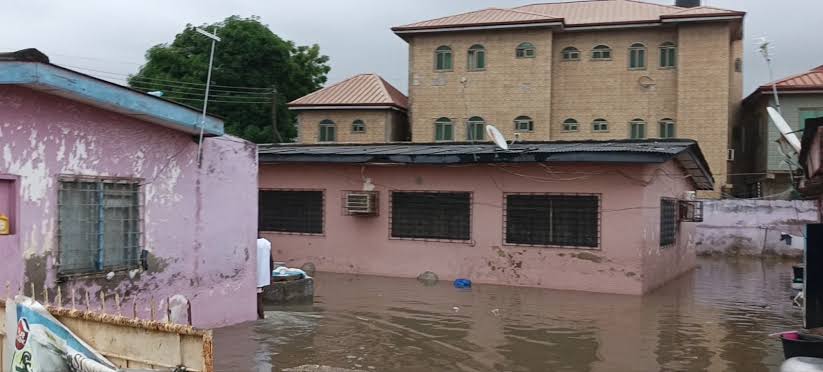
Ghana recently experienced severe flooding across parts of the Greater Accra and other regions, prompting a robust governmental response. In the wake of these devastating events, the Ghana Armed Forces (GAF) has been tasked with leading a comprehensive post-flood recovery and mitigation exercise. Brigadier General Forster Okae-Yeboah, Director General of Joint Operations at the GAF, confirmed that this sustained process would involve the removal of structures blocking waterways, underscoring the government's commitment to preventing future disasters and restoring normalcy. [28, 33, 39, 40, 45]
This directive from the GAF signals a critical phase in Ghana's ongoing struggle with perennial flooding, bringing to the forefront complex legal issues. For legal professionals, the immediate concern revolves around the authority for such demolitions, the rights of affected property owners, and the procedural safeguards that must be observed. This article will explore the legal framework empowering the state to undertake these actions, analyze the constitutional and statutory protections afforded to property owners, and discuss the practical implications for legal practitioners advising clients in areas susceptible to such interventions.
The government's commitment, backed by a GH¢350 million allocation for relief and mitigation, emphasizes the scale and seriousness of this undertaking. [33, 38, 39] The GAF's involvement, in collaboration with various civil authorities, is intended to ensure an effective and coordinated response, focusing on public safety, sanitation, and long-term flood resilience. [39, 45] However, the implementation of these measures necessitates a careful balance between public interest and individual rights, a balance that legal practitioners must be prepared to address.
Background
The legal landscape governing land use, environmental protection, and disaster management in Ghana provides the foundation for the GAF's current intervention. Key legislation includes the National Disaster Management Organisation Act, 2016 (Act 927), which establishes the National Disaster Management Organisation (NADMO) and mandates it with responsibilities for disaster prevention, risk reduction, and rehabilitation. [6, 9, 17, 35] NADMO plays a coordinating role in disaster response, often collaborating with other state agencies, including the Ghana Armed Forces. [13, 38, 39, 45]
Furthermore, the Environmental Protection Act, 2025 (Act 1124), which replaced the Environmental Protection Agency Act, 1994 (Act 490), provides a comprehensive framework for environmental protection and management. [8, 21, 23, 24, 30] This Act empowers the Environmental Protection Authority (EPA) to regulate and protect the environment, including addressing issues that contribute to environmental degradation and disaster vulnerability. Complementing this is the Water Resources Commission Act, 1996 (Act 522), which vests the property in and control of all water resources in the President on behalf of the people of Ghana and establishes the Water Resources Commission (WRC) to manage these resources. [7, 10, 15] Crucially, Section 30 of Act 522 grants the WRC the power to require the modification, demolition, or destruction of unlawful works that obstruct water resources, with a notice period of not less than thirty days. [12, 18]
Urban planning and development control are primarily governed by the Land Use and Spatial Planning Act, 2016 (Act 925), which repealed and replaced the earlier Town and Country Planning Act. [31] This Act, alongside the Local Governance Act, 2016 (Act 936), empowers Metropolitan, Municipal, and District Assemblies (MMDAs) to regulate physical development, grant building permits, and enforce planning schemes. [3, 11, 16, 31] Construction without a valid development permit is unlawful, and MMDAs are mandated to demolish such illegal structures. [26, 31] The recurring floods have often been attributed to poor sanitation, choked drains, and illegal developments on waterways, highlighting a persistent challenge in enforcing these regulations. [29, 47, 48]
Analysis
The GAF's involvement in removing structures blocking waterways is rooted in the state's inherent power to protect public safety and welfare, particularly in emergency and disaster situations. While the GAF's primary role is national defence, its deployment in civil assistance and disaster management operations is a recognized function, often coordinated through NADMO. [13, 38, 39, 45] The legal justification for such demolitions stems from the need to abate public nuisances, prevent further environmental damage, and mitigate future flood risks, aligning with the objectives of the National Disaster Management Organisation Act and the Environmental Protection Act. [6, 23, 24, 35]
The exercise, however, directly impacts property rights, which are constitutionally protected under Article 18 and Article 20 of the 1992 Constitution of Ghana. [19, 43, 46, 49] Article 20(1) stipulates that no property shall be compulsorily taken possession of or acquired by the State unless it is necessary in the interest of defence, public safety, public order, public morality, public health, town and country planning, or the development or utilization of property to promote the public benefit. [19, 49] Furthermore, Article 20(2) requires that compulsory acquisition be made under a law providing for prompt payment of fair and adequate compensation and a right of access to the High Court for determination of interest and compensation. [19, 49]
A critical distinction arises between legally erected structures and those built illegally. Structures constructed without the requisite permits or in violation of planning regulations (e.g., on waterways or wetlands) are deemed illegal. [26, 31] For such structures, the law generally permits demolition without compensation, as the owner never acquired a legitimate right to build in that location. The Water Resources Commission Act, 1996 (Act 522), for instance, explicitly grants the WRC the power to require demolition of unlawful works obstructing water resources. [12, 18] However, even in cases of illegal structures, due process, including adequate notice, is generally expected to be observed, allowing owners an opportunity to remove their belongings or challenge the demolition. Reports indicate that some MMDAs have unlawfully accepted penalty fees instead of demolishing illegal structures on wetlands, a practice that undermines planning laws and exacerbates flood risks. [26, 36]
For legally built structures that are subsequently deemed to obstruct waterways or pose a public safety risk due to changed circumstances or updated planning schemes, the situation is more nuanced. If the state's action amounts to compulsory acquisition or deprivation of property, then the constitutional provisions for fair and adequate compensation would apply. [19, 49] This distinction is crucial for legal practitioners advising affected clients. There have been calls from residents and public figures for compensation even for structures on waterways, and some municipal authorities have indicated steps to compensate affected residents. [34, 37, 44] This suggests a potential policy shift or a recognition of hardship, even if not strictly legally mandated for all illegal structures. The government's commitment of GH¢350 million for relief and recovery may also encompass some form of assistance or resettlement for displaced persons, as mandated by Article 20(3) of the Constitution for displacement due to compulsory land acquisition. [33, 38, 49]
Conclusion
The Ghana Armed Forces' intervention to remove structures blocking waterways marks a decisive, albeit challenging, step in Ghana's flood recovery and mitigation strategy. For legal practitioners, this period necessitates a thorough understanding of the interplay between public interest, environmental protection, urban planning laws, and fundamental property rights. Advising clients requires careful assessment of whether affected structures were legally erected, the nature of the alleged obstruction, and the procedural compliance by state authorities during demolition.
Practitioners should emphasize the importance of due diligence in property transactions, particularly concerning proximity to waterways and adherence to planning regulations. They must also be prepared to advocate for fair and adequate compensation where legally built properties are affected by state action for public benefit. The ongoing recovery effort underscores the need for robust enforcement of existing laws and potentially new legislative instruments to prevent future encroachments and ensure sustainable urban development. Legal professionals should closely monitor the implementation of these demolitions and any subsequent legal challenges or policy adjustments regarding compensation and resettlement, as these will shape the future of property rights and environmental governance in Ghana.
Citations
- 1.Constitution of the Republic of Ghana, 1992
- 2.Environmental Protection Act, 2025 (Act 1124)
- 3.Land Use and Spatial Planning Act, 2016 (Act 925)
- 4.Local Governance Act, 2016 (Act 936)
- 5.National Disaster Management Organisation Act, 2016 (Act 927)
- 6.Water Resources Commission Act, 1996 (Act 522)