
Sudan seeks GERD binding agreement amid Nile water levels crisis
Summary
- A regional water resources expert has called for a binding agreement on the operation of the GERD.
- Nile water levels have fallen in Sudan, highlighting the need for coordinated water management.
- A binding agreement would provide clarity and stability for all parties involved, allowing them to plan and manage their water resources more effectively.
What Happened
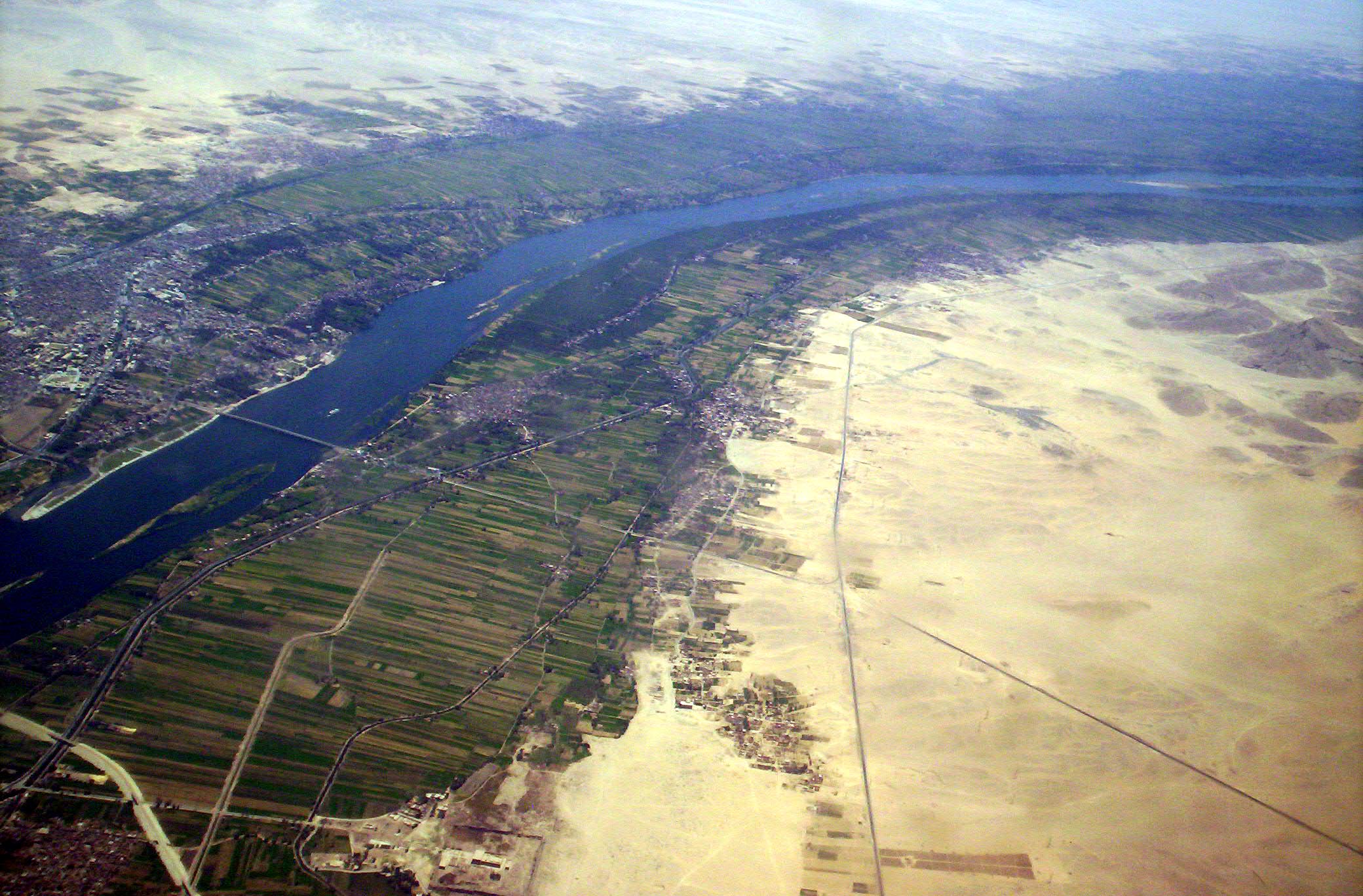
The expert's warning comes as Nile water levels have fallen in Sudan, highlighting the urgent need for a coordinated approach to managing the region's shared water resources.
A regional water resources expert has sounded the alarm about the need for a legally binding agreement on the operation of the Grand Ethiopian Renaissance Dam (GERD). The expert's warning comes as Nile water levels have fallen in Sudan, highlighting the urgent need for a coordinated approach to managing the region's shared water resources. According to reports, the water levels in Sudan have dropped significantly over the past few months, with some areas experiencing severe drought conditions.
The GERD, which is now operational in Ethiopia, has been a source of contention between Egypt and Sudan, with both countries expressing concerns about its impact on their water supplies. A binding agreement would provide much-needed clarity and stability for all parties involved, allowing them to plan and manage their water resources more effectively.
Legal Context
The GERD is a transboundary water project that affects the interests of multiple countries in the Nile Basin region. Under international law, countries have a duty to cooperate on shared water resources, and a binding agreement would be a significant step towards fulfilling this obligation. The Agreement on the Nile Waters, signed by Egypt, Sudan, and Ethiopia in 1929, established principles for the management of the Nile's waters, but it has been criticized for being outdated and inadequate. A new binding agreement would need to take into account the changing needs and circumstances of the region, including population growth, climate change, and economic development.
Why It Matters
A binding GERD agreement could set a new standard for transboundary water management in Africa, providing a model for other countries to follow. For lawyers advising clients on Nile Basin projects, the implications of such an agreement would be significant, potentially altering existing project timelines and requiring adjustments to be made to ensure compliance with the new agreement. The agreement's impact would extend beyond the region, influencing international best practices for water management and resource allocation.
Practical Implications
Lawyers advising clients on Nile Basin projects should watch for the implications of a binding GERD agreement, which could set new standards for transboundary water management and potentially alter existing project timelines.
Source
How does this affect your business?
Get an AI analysis of this article grounded in your jurisdictions, practice areas, and any policy documents you've uploaded to Wansom.