
Sudan Inflation Rate Surges Due to Food and Transport Costs
TL;DR
- Sudan's inflation rate has accelerated due to rising food and transport costs.
- The war in Ukraine has contributed to higher global food prices, exacerbating the situation in Sudan.
- Economists warn that unchecked inflation could lead to further economic instability.
- Businesses operating in Sudan should review contracts and agreements for potential changes in market conditions.
What Happened
The rising inflation rate is causing concern among economists and policymakers, who warn that it could lead to further economic instability if left unchecked.
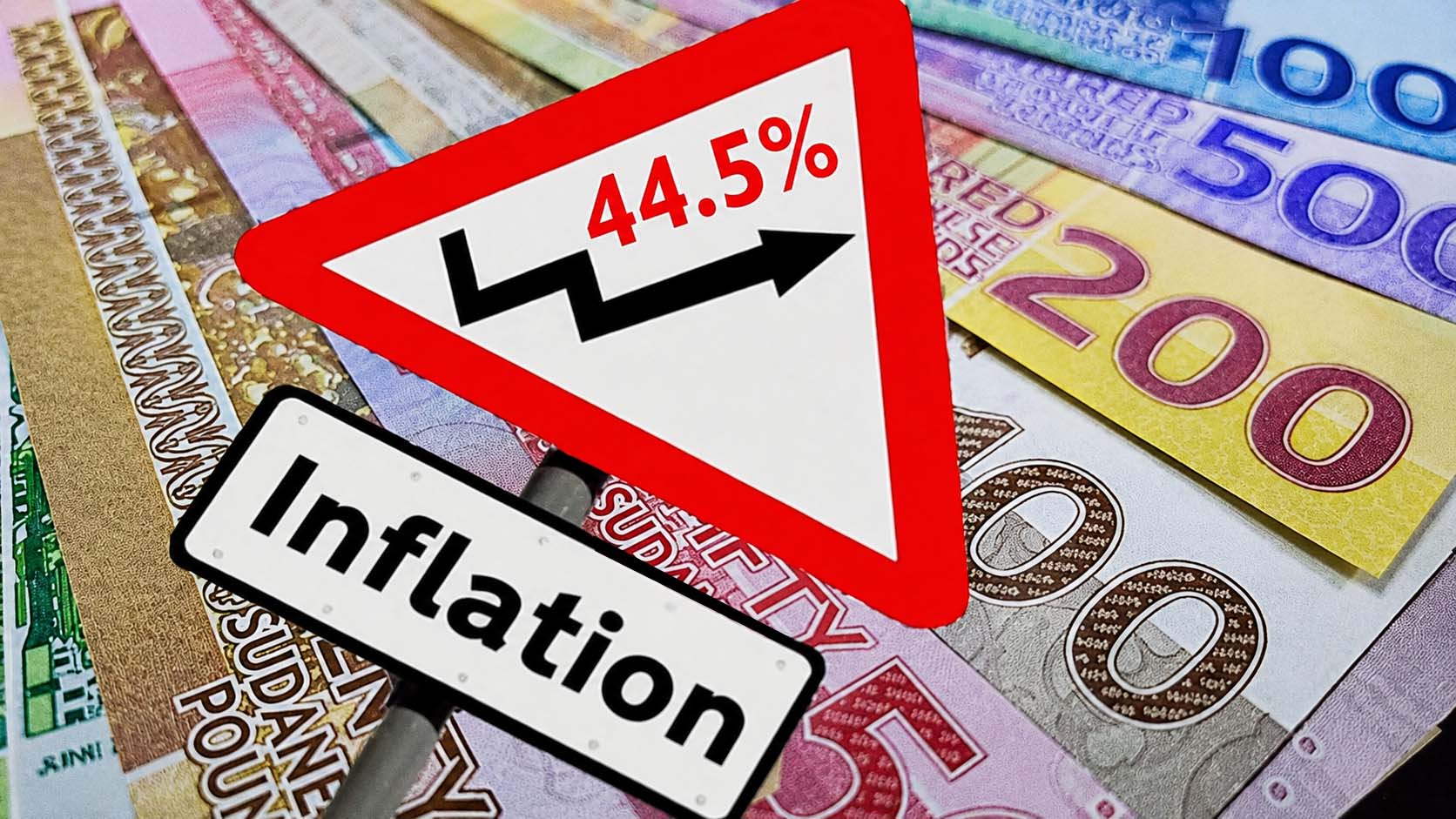
Sudan's inflation rate has accelerated, driven by rising costs of food and transportation. According to recent data, the country's inflation rate has increased significantly, with prices surging across various sectors. The war in Ukraine has had a ripple effect on global markets, contributing to higher food prices worldwide. In Sudan, this has led to a sharp increase in the cost of essential commodities such as bread, sugar, and cooking oil. Meanwhile, transport costs have also skyrocketed due to fuel price hikes and disruptions in supply chains.
The rising inflation rate is causing concern among economists and policymakers, who warn that it could lead to further economic instability if left unchecked. The Sudanese government has been struggling to manage the country's economy, which has been battered by years of conflict and sanctions.
Legal Context
The accelerating inflation rate in Sudan raises important questions for businesses operating in the country. Lawyers advising clients on business operations in Sudan should be aware of the potential impact of rising inflation on supply chains and contractual obligations. Inflation can lead to increased costs, reduced purchasing power, and decreased economic activity, all of which can have far-reaching consequences for companies with operations in Sudan. Businesses may need to review their contracts and agreements to ensure they are prepared for any changes in market conditions.
The Sudanese government has implemented various measures to address the economic crisis, including devaluing the currency and introducing price controls. However, these efforts have had limited success so far, and the inflation rate continues to rise. The situation remains fluid, and businesses must remain vigilant and adaptable in response to changing market conditions.
Why It Matters
The rising inflation rate in Sudan has significant implications for the country's economic stability and the livelihoods of its citizens. As prices continue to soar, households are facing increasing hardship, with many struggling to afford basic necessities. The situation is particularly challenging for vulnerable populations, including women and children, who are disproportionately affected by poverty and food insecurity.
The Sudanese government must take decisive action to address the economic crisis and stabilize the inflation rate. This will require a comprehensive approach that includes monetary policy reforms, fiscal discipline, and investment in key sectors such as agriculture and infrastructure. By working together with international partners and stakeholders, Sudan can build a more resilient economy and improve the lives of its people.
Practical Implications
Lawyers advising clients on business operations in Sudan should monitor the rising inflation rate, which may impact supply chains and contractual obligations.
Source
How does this affect your business?
Get an AI analysis of this article grounded in your jurisdictions, practice areas, and any policy documents you've uploaded to Wansom.