
Supreme Court allows authorities to process 400 applications for industries in Taj Trapezium Zone
Abstract
The Supreme Court of India has allowed authorities to process 400 pending applications for opening industries in the Taj Trapezium Zone (TTZ). The TTZ is a protected area designed to shield the Taj and other heritage monuments in Agra from environmental harm. The court directed that the TTZ Authority may process the pending applications, but only if there is unanimous opinion among NEERI, CEC experts, and the TTZ Authority. If either NEERI or CEC expert finds an industry polluting, permission from the Supreme Court is required before clearing the application.
Introduction
The Supreme Court of India has allowed authorities to process 400 pending applications for opening industries in the Taj Trapezium Zone (TTZ). The decision was made by a Bench comprising Chief Justice of India Surya Kant and Justices Joymalya Bagchi and V Mohana. This ruling is significant as it will enable the TTZ Authority to clear pending industrial applications, subject to certain conditions.
Background
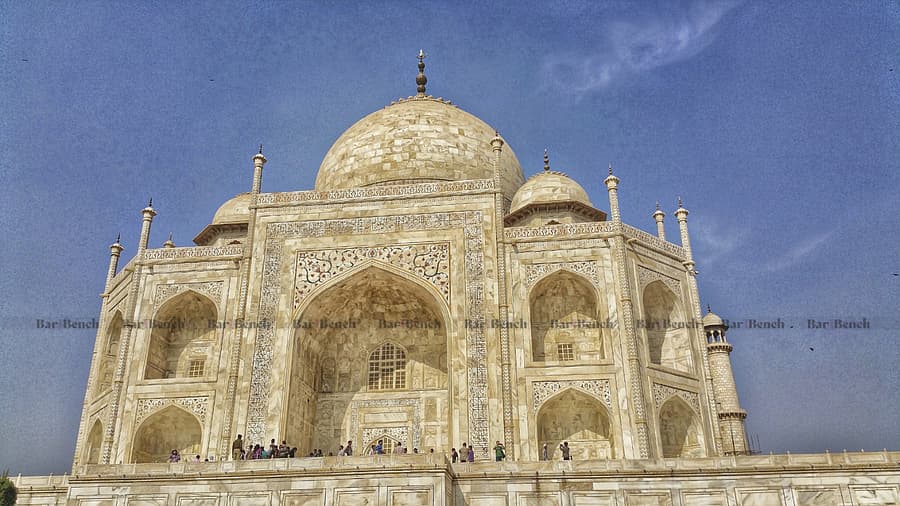
The Taj Trapezium Zone (TTZ) is a protected area covering an area of 10,400 sq km in Agra, designed to shield the Taj and other heritage monuments from environmental harm. The Supreme Court had earlier ordered that no polluting industry shall be permitted in TTZ. However, the processing of pending applications was stalled due to delay in assessment studies and vision documents for TTZ.
Analysis
The court's decision is a welcome relief for industries seeking to operate within the TTZ. However, it also emphasizes the importance of environmental considerations in decision-making processes. The condition that requires unanimous opinion among NEERI, CEC experts, and the TTZ Authority before processing an application ensures that environmental concerns are taken into account. Additionally, the requirement of uploading every approval on the CEC website to invite public objections before a final decision is taken demonstrates the court's commitment to transparency and accountability.
Conclusion
The Supreme Court's ruling will enable the TTZ Authority to process pending industrial applications, subject to certain conditions. Practitioners should note that this decision emphasizes the importance of environmental considerations in decision-making processes. It remains to be seen how this ruling will impact industries operating within the TTZ and whether it will set a precedent for other protected areas.
How does this affect your business?
Get an AI analysis of this article grounded in your jurisdictions, practice areas, and any policy documents you've uploaded to Wansom.