
Supreme Court seeks Centre's response on Tenth Schedule
Summary
- The Supreme Court has sought the Centre's response on a petition challenging the current interpretation of India's anti-defection law.
- Senior Advocate Kapil Sibal, an MP himself, has moved the petition under Article 32, arguing that the anti-defection law benefits those in power and allows splinter groups to escape its provisions.
- The Court has issued notice to the Union government on Sibal's plea, which touches upon issues like merger of political parties.
What Happened
Tenth Schedule is intended to regulate the mechanism between the legislators. We have [upheld] the Tenth Schedule. We have been seeing it. There are enormous issues with Tenth Schedule. But who made it? It’s the making of the MPs.
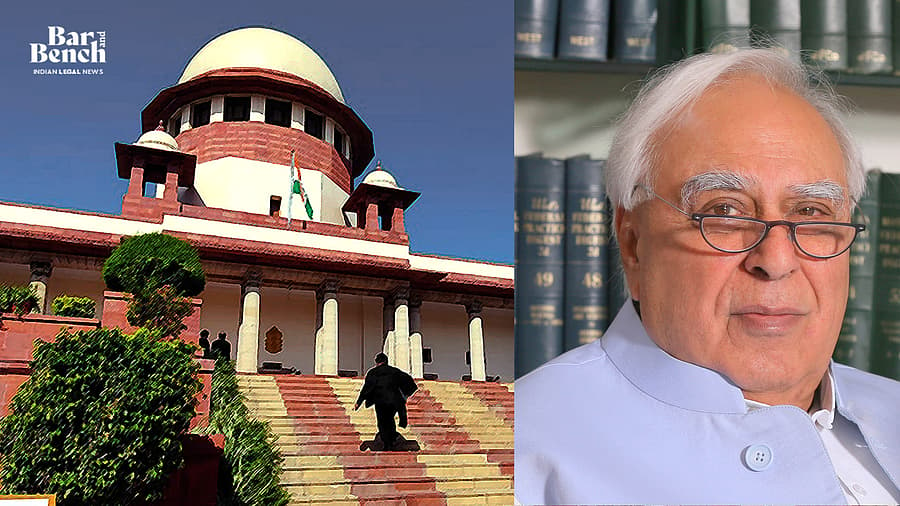
The Supreme Court on Monday made some critical remarks about India's anti-defection law, contained in the Tenth Schedule of the Constitution. A Bench comprising Chief Justice of India Surya Kant, Justice Joymalya Bagchi and Justice V Mohana heard a petition moved by Senior Advocate Kapil Sibal, who is also an MP, challenging the current interpretation of the Tenth Schedule. The Court observed that there are 'enormous issues' with the anti-defection law but noted that it was created by lawmakers sitting in parliament.
The Bench asked Sibal why he had moved a petition under Article 32 and whether the issue could be resolved on the floor of the House itself. Sibal responded that MPs can also make mistakes, just like courts, and that the issue may never get resolved because it benefits those in power.
Relevant Legal/Regulatory Context
The Tenth Schedule of the Constitution contains the anti-defection law, which regulates the mechanism between legislators. The Supreme Court has previously upheld the Tenth Schedule, but now faces a petition challenging its current interpretation. Sibal's plea touches upon issues like merger of political parties and seeks to address what he sees as an unfair advantage for splinter groups that adopt the route of merger.
The anti-defection law is a critical aspect of India's parliamentary system, designed to prevent lawmakers from switching sides or defecting from their original party. However, its implementation has been marred by controversies and disputes over its interpretation.
Why It Matters
The Supreme Court's remarks on the anti-defection law have significant implications for Indian politics and legislative dynamics. If the Court were to rule in favor of Sibal's petition, it could lead to changes in the way parties operate and merge. This, in turn, could impact party politics and the functioning of parliament.
Lawyers and compliance officers should pay close attention to any potential changes to the anti-defection law, as they could have far-reaching consequences for Indian democracy.
Practical Implications
Lawyers and compliance officers should watch for potential changes to the anti-defection law, which could impact party politics and legislative dynamics in India.
Source
Source: Original reporting via The Hindu
How does this affect your business?
Get an AI analysis of this article grounded in your jurisdictions, practice areas, and any policy documents you've uploaded to Wansom.