
Tanzania directs lodges, hotels to register all guests using NIDA IDs for national security
Briefly Analysis
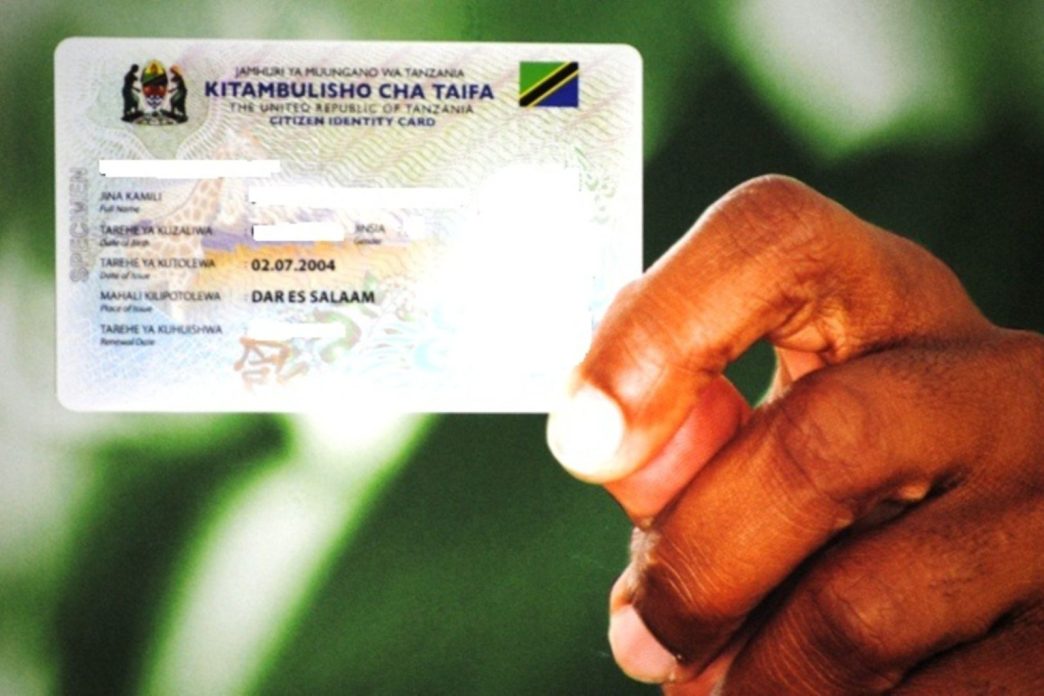
The Tanzanian government, through a directive issued in Parliament, has mandated that all owners of hotels, lodges, and guest houses must register incoming guests exclusively using National Identification Authority (NIDA) identification cards. This policy shift, prompted by security concerns raised by Member of Parliament Pascal Chinyele, aims to centralize guest data to enhance national security and facilitate the tracking of individuals within the hospitality sector. By requiring NIDA IDs, the state is effectively integrating private hospitality operations into the national security apparatus, ensuring that the movement of persons is documented through a standardized, government-verified identification system.
For legal practitioners and hospitality businesses, this directive carries significant compliance implications. Hotels and lodges must now update their internal guest registration protocols to ensure that staff are trained to verify NIDA documentation upon check-in. Failure to adhere to this directive could expose business owners to regulatory sanctions or potential liability should security breaches occur on their premises. The legal context here rests on the government’s authority to regulate public safety and the existing frameworks governing the National Identification Authority, which serves as the primary repository for citizen and resident data in Tanzania.
Practitioners should advise their hospitality clients to conduct an immediate audit of their current registration systems to ensure they are equipped to process NIDA IDs. It is essential to balance these new security requirements with existing data protection obligations, ensuring that the collection and storage of guest information remain compliant with the Personal Data Protection Act. Attorneys should monitor for any subsequent subsidiary legislation or ministerial guidelines that may clarify the technical implementation of this directive, particularly regarding the handling of foreign nationals who may not possess NIDA IDs, to ensure that businesses remain fully compliant while avoiding discriminatory practices.