
Tanzania Directs Lodges, Hotels to Register Guests Using NIDA IDs
Abstract
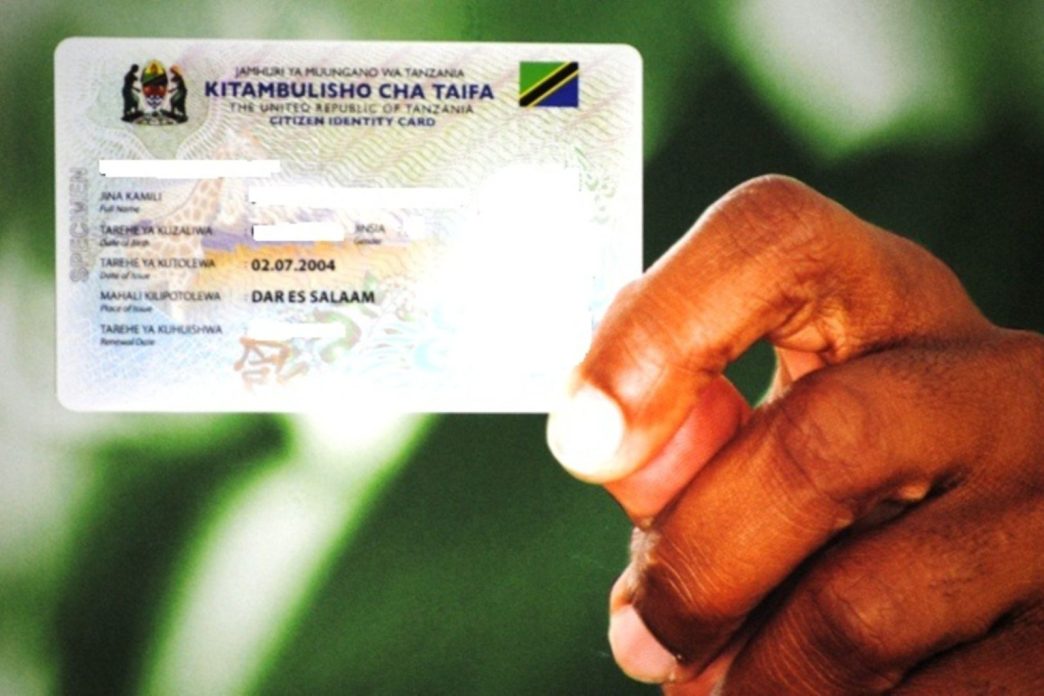
Tanzania has issued a directive requiring all hotels, lodges, and guest houses to register incoming guests using verifiable identification. Initially emphasizing National Identification Authority (NIDA) IDs, the government has since clarified that other valid forms of identification, such as passports, driving licenses, or voter's IDs, are acceptable. This measure, prompted by national security concerns, aims to centralize guest data and enhance the tracking of individuals within the hospitality sector. The directive carries significant compliance implications for hospitality businesses, necessitating updates to registration protocols and staff training. It also brings into sharp focus the interplay with Tanzania's recently enacted Personal Data Protection Act, 2022, requiring careful navigation of data collection, storage, and privacy obligations.
Introduction
The Tanzanian government has recently introduced a significant directive impacting the country's hospitality sector, mandating that all guest houses, hotels, and lodges register incoming guests using verifiable identification. This move, announced in Parliament following a motion by Dodoma Member of Parliament Pascal Chinyele, is primarily aimed at strengthening national security and safety by centralizing guest data. The initial emphasis on National Identification Authority (NIDA) IDs sparked immediate discussions regarding its scope and practical implementation.
However, the Minister for Home Affairs, Patrobas Katambi, subsequently clarified the directive, stating that while NIDA IDs are preferred, other valid and recognized forms of identification, including passports, driving licenses, or voter's identification cards, are acceptable, provided they contain verifiable personal details. This clarification addresses some immediate concerns, particularly for foreign nationals and those without NIDA IDs. Nevertheless, the directive fundamentally alters guest registration protocols, integrating private hospitality operations into the national security apparatus.
For legal practitioners and hospitality businesses, this development necessitates a thorough understanding of the underlying legal frameworks and the practical implications for compliance. This article will delve into the statutory context, analyze the directive in light of existing laws, including data protection legislation, and outline key considerations for practitioners advising clients in Tanzania's hospitality industry.
Background
The directive to register guests using national identification is not entirely novel in Tanzania, but its specific emphasis on NIDA IDs and the stated national security objective marks a notable evolution. Historically, the Hotels Act and its subsidiary Hotels Regulations (G.N. No. 55 of 1982) have long required hotel proprietors to maintain a register of guests, detailing their names, duration of stay, and charges. Furthermore, the Tourism Act, 2008 (Cap. 65 R.E. 2023), which governs tourism-related businesses, mandates the registration of tourism facilities and implicitly requires the keeping of guest records. In 2020, there was also a directive for digital registration of visitors through a Ministry of Natural Resources and Tourism (MNRT) portal, aimed at collecting data on domestic and international travelers.
The National Identification Authority (NIDA) itself was established in 2008 by the National Identification Authority (Establishment) Instrument, under the overarching framework of the Registration and Identification of Persons Act, 1986 (R.E. 2012). NIDA's mandate is to register and issue identity cards to all Tanzanian citizens and eligible residents aged 18 years and above who have resided in the country for more than six months. Section 14(3) of the Registration and Identification of Persons Act makes the carrying of an identity card mandatory for those registered.
Crucially, the legal landscape for data handling in Tanzania has been significantly shaped by the enactment of the Personal Data Protection Act, 2022 (PDPA), which came into force on May 1, 2023, accompanied by its own regulations. The PDPA establishes a comprehensive framework for the collection, processing, and protection of personal data by both public and private entities, setting out core principles for lawful data processing, including requirements for consent, purpose limitation, and data security. The Personal Data Protection Commission, responsible for overseeing the PDPA, was launched in 2024.
Analysis
The recent directive, initially perceived as a strict mandate for NIDA ID-only registration, has undergone a crucial clarification. While the parliamentary motion emphasized NIDA IDs for national security and safety, the Minister for Home Affairs, Patrobas Katambi, subsequently confirmed that any valid and recognized form of identification, such as a passport, driving license, or voter’s identification card, would suffice, provided it contains verifiable personal details. This broader interpretation is vital for practical implementation, particularly for foreign visitors who would not possess a NIDA ID, and for Tanzanian citizens who may not yet have received their NIDA cards despite being registered.
The legal basis for this directive rests on the government's inherent authority to ensure public safety and national security, drawing power from the Registration and Identification of Persons Act, 1986, which established NIDA and mandates identification. The existing Hotels Act and Tourism Act already provide a statutory foundation for guest registration, making the current directive an amplification and standardization of identification requirements rather than an entirely new obligation to register guests. The directive effectively integrates the hospitality sector into a broader national security data collection strategy, aiming to centralize information for tracking individuals.
However, the implementation of this directive must strictly adhere to the provisions of the Personal Data Protection Act, 2022 (PDPA). Hospitality establishments, as data controllers and processors, are now subject to stringent obligations regarding the collection, storage, and processing of guests' personal data. Key principles of the PDPA, such as lawful, fair, and transparent processing, purpose limitation, data minimization, and secure storage, become paramount. Businesses must ensure that the data collected from IDs is used solely for the stated purpose of national security and guest identification, and not for other unauthorized purposes without explicit consent or legal authorization. The PDPA also mandates registration with the Personal Data Protection Commission, which was established in 2024, and outlines penalties for non-compliance.
Operational challenges for hotels and lodges are significant. They must revise their internal guest registration protocols, invest in staff training to properly verify various forms of identification, and ensure secure systems for data capture and storage that comply with PDPA requirements. The directive also raises questions about the integration of this new requirement with previous digital registration initiatives, such as the MNRT portal. Clarity is needed on how these systems will interface to avoid duplication of effort and ensure a unified, secure data flow. Furthermore, while NIDA issues IDs to eligible non-citizens residing in Tanzania for over six months, the acceptance of passports for temporary visitors is crucial for the tourism industry.
Concerns about data privacy and the security of the NIDA system itself have been raised by various bodies, highlighting potential issues with system security, insufficient protection frameworks, and a lack of clear redress mechanisms. While the government insists that presenting an ID is a standard requirement with no inherent confidentiality issues, practitioners must advise clients on mitigating these risks by implementing robust data security measures and ensuring compliance with the PDPA's provisions on data breaches and data subject rights.
Conclusion
The Tanzanian government's directive for hotels and lodges to register guests using verifiable identification, including NIDA IDs or other valid documents, represents a significant regulatory shift aimed at bolstering national security. While the clarification to accept multiple forms of identification alleviates some immediate operational hurdles, it underscores the government's commitment to a centralized system for tracking individuals within the hospitality sector. This initiative, however, places a substantial compliance burden on businesses, requiring them to meticulously align their operations with both national security objectives and the stringent requirements of the Personal Data Protection Act, 2022.
Legal practitioners must proactively advise their hospitality clients on updating internal registration protocols, implementing comprehensive staff training on ID verification and data handling, and investing in secure data management systems. Crucially, ensuring strict adherence to the PDPA's principles of data protection, including lawful processing, purpose limitation, and robust security measures, is paramount to mitigate legal risks and avoid penalties. Attorneys should closely monitor any further subsidiary legislation, ministerial guidelines, or technical specifications that may emerge to clarify the practical implementation of this directive, particularly concerning data sharing mechanisms and the integration with existing tourism data collection systems. Proactive compliance and a nuanced understanding of the evolving legal landscape will be essential for businesses to navigate these new requirements successfully.
Citations
- 1.Hotels Regulations, G.N. No. 55 of 1982
- 2.National Identification Authority (Establishment) Instrument, 2008
- 3.Personal Data Protection Act, 2022
- 4.Registration and Identification of Persons Act, 1986 (R.E. 2012)
- 5.Tourism Act, 2008 (Cap. 65 R.E. 2023)
How does this affect your business?
Get an AI analysis of this article grounded in your jurisdictions, practice areas, and any policy documents you've uploaded to Wansom.