
Tanzania marks the Anti-Counterfeiting Day with call for more efforts in protecting consumers and economy
Briefly Analysis
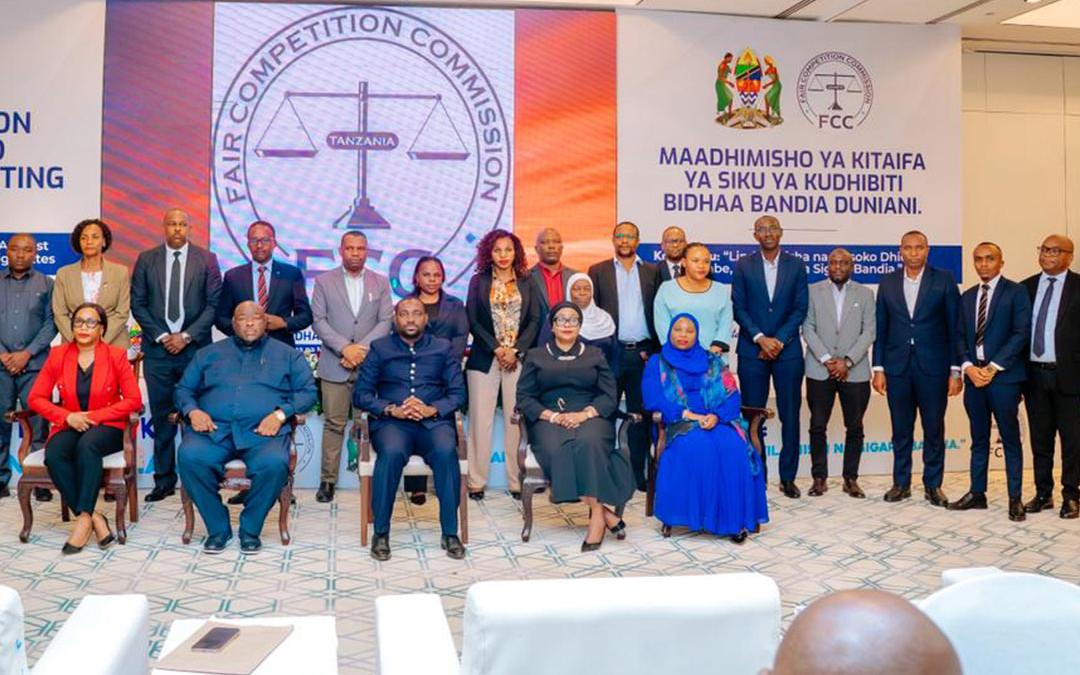
The recent commemoration of Anti-Counterfeiting Day in Tanzania, highlighted by Temeke District Commissioner Sixtus Mapunda, underscores a critical shift in the government’s approach to intellectual property enforcement and consumer protection. The discourse emphasizes that the proliferation of counterfeit goods—ranging from illicit alcohol and tobacco to substandard lubricants—poses a dual threat to public health and the national fiscal framework. By calling for a multi-stakeholder approach, the government is signaling that regulatory bodies like the Fair Competition Commission (FCC) and the Tanzania Bureau of Standards (TBS) require greater synergy with the private sector to effectively police supply chains and mitigate the economic erosion caused by illicit trade.
For legal practitioners, this development signals an urgent need to bolster intellectual property enforcement strategies. The legal significance lies in the intersection of the Merchandise Marks Act and the Fair Competition Act, which provide the statutory basis for prosecuting counterfeiters. Attorneys representing brand owners should note that the government is increasingly viewing counterfeit trade not merely as a civil infringement but as a systemic economic crime that undermines tax revenue and public safety. This shift may lead to more aggressive enforcement actions, including increased raids and stricter penalties for distributors of non-compliant goods.
Practitioners should advise clients to proactively register their trademarks and patents with the Business Registrations and Licensing Agency (BRELA) to ensure they have the necessary standing to initiate enforcement actions. Furthermore, businesses should implement robust internal monitoring systems to identify counterfeit activity in their respective markets. As the government pushes for greater private sector participation, legal teams should prepare to engage more closely with regulatory authorities to facilitate evidence gathering and support litigation against infringers, ensuring that their clients' market share and brand integrity are protected within the evolving Tanzanian regulatory landscape.